




Menu

Sewage Backup Cleanup in Virginia Beach – 24/7 Emergency Response with Complete Contamination Control

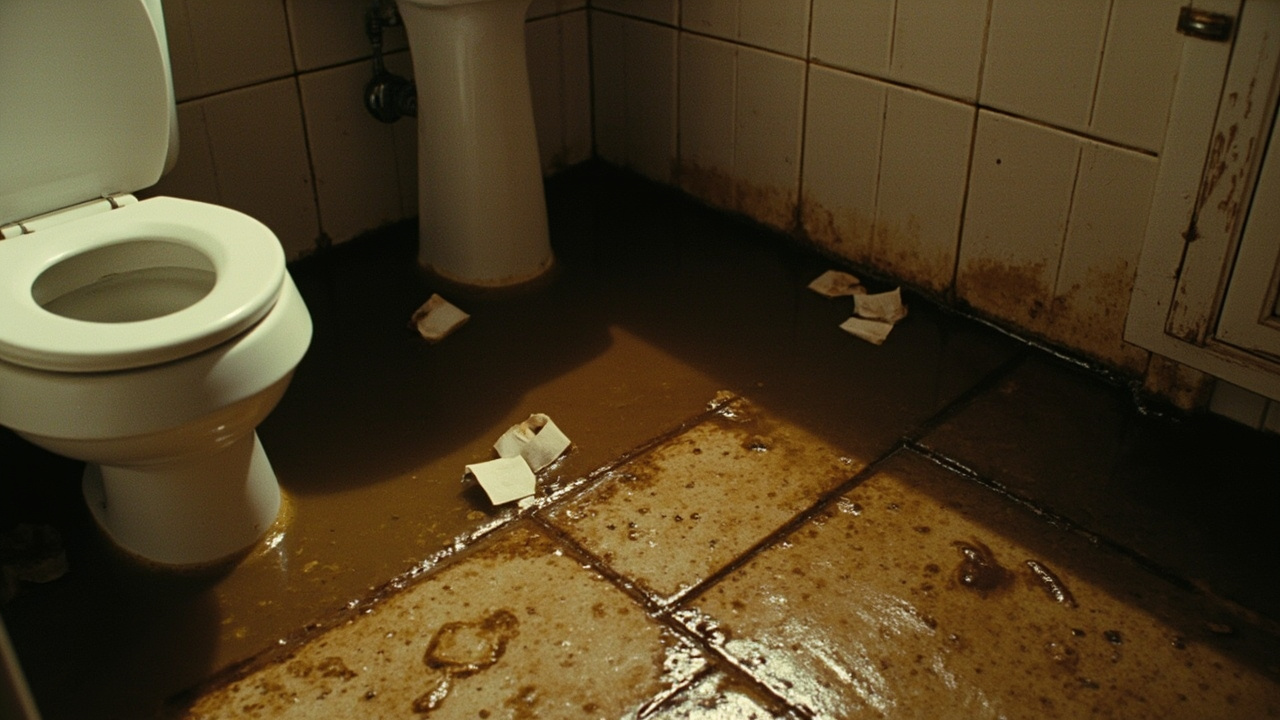
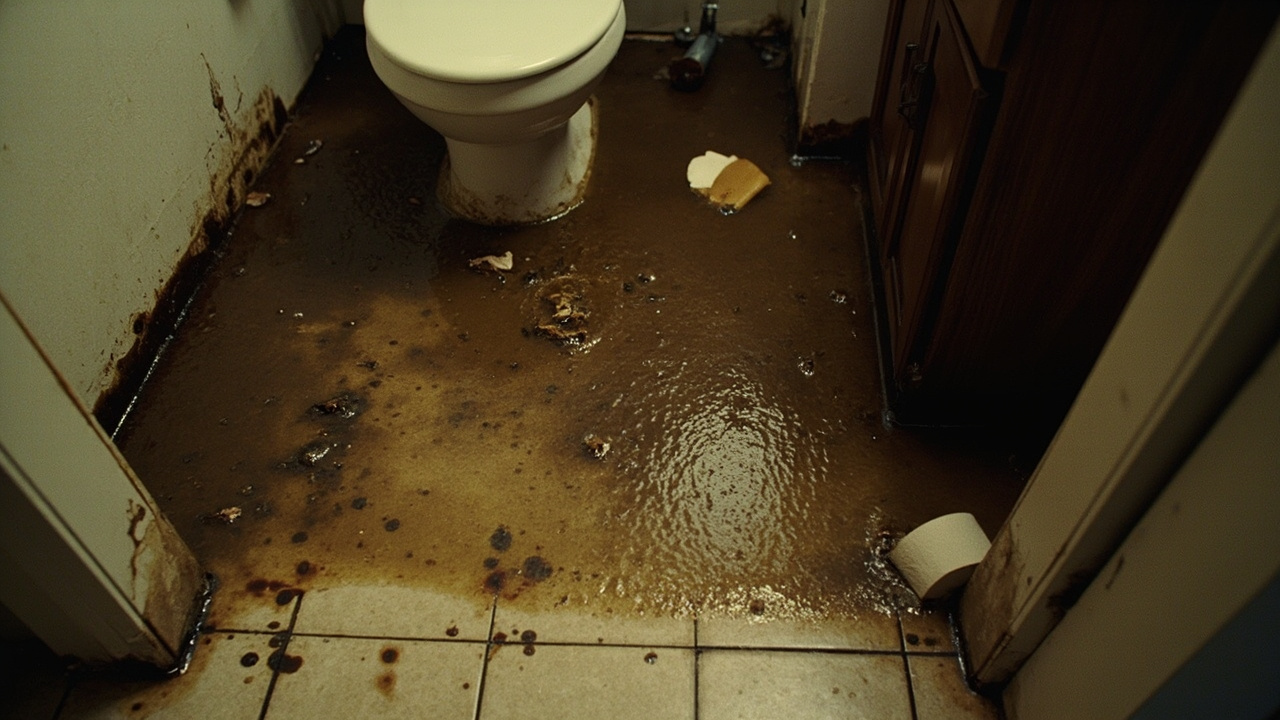
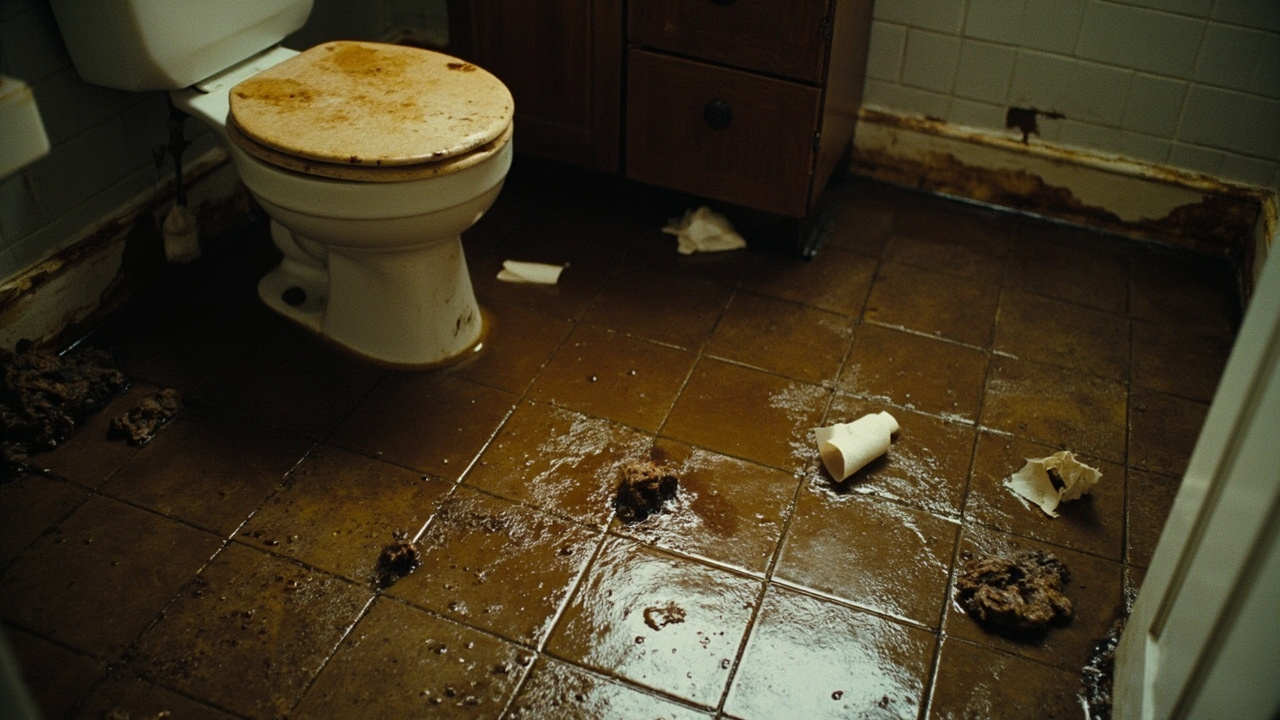
When raw sewage floods your property, every minute increases health risks and structural damage. Apex Water Damage Restoration Virginia Beach deploys certified sewage remediation teams equipped with hospital-grade disinfection systems to safely restore your space and protect your family from Category 3 water contamination.

Slider Image 1
Slider Image 2
Slider Image 3
Slider Image 4
Slider Image 5
Slider Image 7
Slider Image 8
Slider Image 9
Slider Image 10
Slider Image 11

Why Sewage Backups Hit Virginia Beach Properties Harder Than You Think

Virginia Beach sits at sea level with a high water table that fluctuates with tidal patterns from the Atlantic and Chesapeake Bay. When heavy rainfall combines with this geography, municipal sewer lines experience hydraulic overload. The result is raw sewage forced backward through floor drains, toilets, and basement fixtures across neighborhoods from Chesapeake Beach to the North End.

The city's older infrastructure in areas like the ViBe Creative District and Oceanfront was built decades before current population density. Clay soil common throughout Hampton Roads swells and contracts with moisture changes, cracking underground sewer laterals and creating entry points for tree roots. Once roots infiltrate your private sewer line, blockages form quickly.

Category 3 water contamination from sewage backup carries E. coli, hepatitis A, salmonella, and other pathogens. Porous materials like drywall, insulation, and carpeting absorb this biohazard within minutes. Without immediate sewage removal using professional extraction equipment, contamination spreads through your HVAC system and saturates subflooring.

Humidity in coastal Virginia Beach creates the perfect environment for mold amplification after sewage damage. Black mold colonies can establish within 48 hours of initial contamination. The combination of saltwater air and sewage moisture accelerates microbial growth faster than in drier climates.

You need sewage remediation that addresses both immediate extraction and long-term decontamination. Raw sewage cleanup requires more than wet vacuums and bleach. It demands EPA-registered antimicrobial treatments, negative air machines with HEPA filtration, and complete removal of contaminated building materials.

Why Sewage Backups Hit Virginia Beach Properties Harder Than You Think
The Scientific Approach to Safe Sewage Damage Restoration

The Scientific Approach to Safe Sewage Damage Restoration

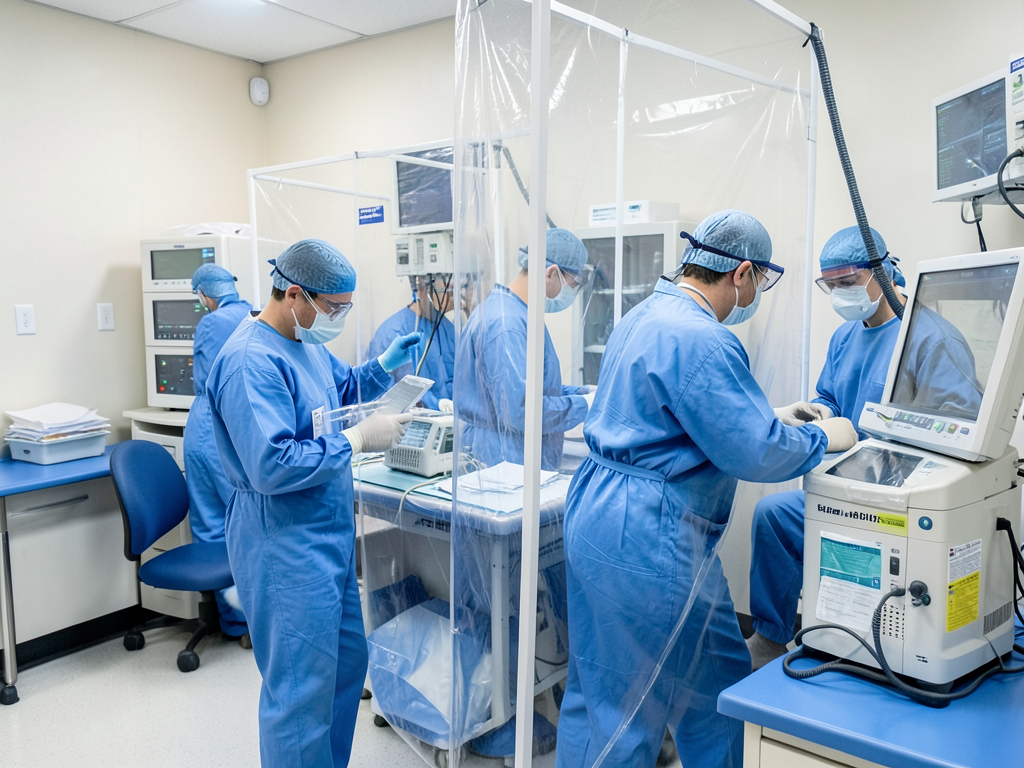
Sewage backup cleaning starts with proper personal protective equipment. Our technicians wear Tyvek suits, respirators with P100 filters, and nitrile gloves before entering contaminated areas. We establish containment zones using polyethylene sheeting to prevent cross-contamination to unaffected rooms.

Truck-mounted extraction units remove standing sewage faster than portable equipment. These systems generate vacuum pressure strong enough to pull contaminated water from carpet padding, subflooring gaps, and wall cavities. We pump waste directly into disposal tanks rather than dumping into your yard or storm drains.

After extraction, we apply EPA-registered disinfectants that kill 99.9% of bacteria, viruses, and fungi. These antimicrobial treatments penetrate porous surfaces that look clean but harbor pathogens. We use electrostatic sprayers that positively charge disinfectant particles so they wrap around and coat all surface angles, including undersides and vertical walls.

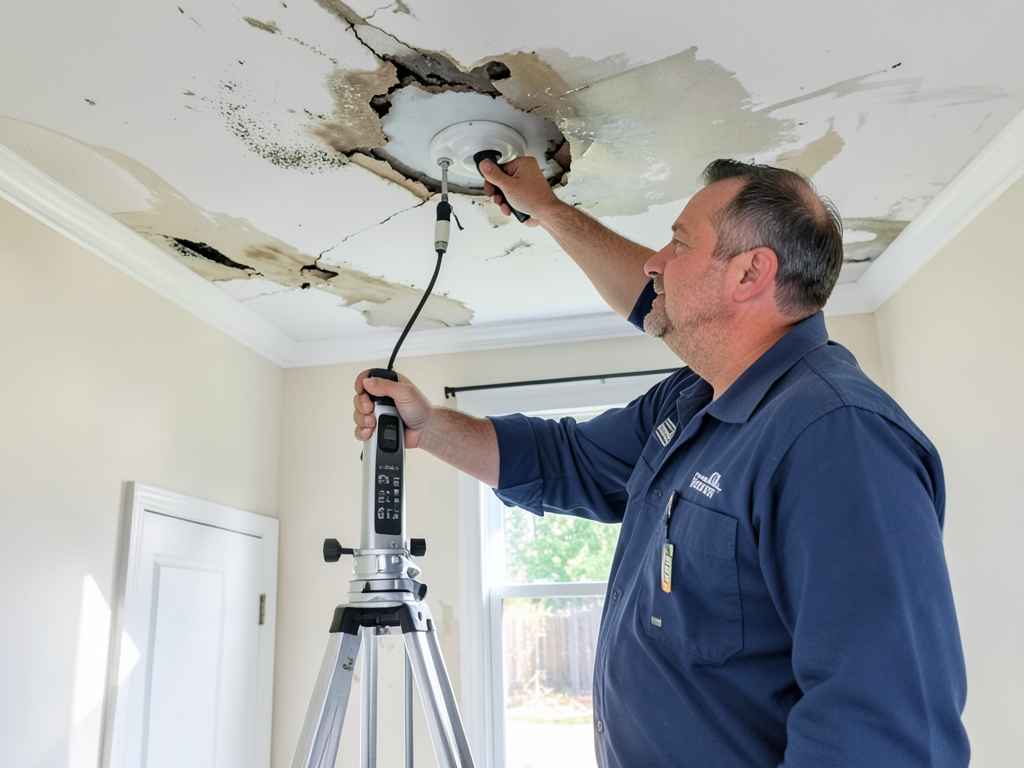
Thermal imaging cameras identify hidden moisture in wall cavities and beneath flooring. Sewage often wicks upward through drywall and insulation through capillary action. Missing these wet zones leads to mold growth weeks later. We document moisture readings with calibrated hygrometers to verify drying progress.

Air scrubbers with activated carbon filters remove sewage odors at the molecular level. These machines cycle room air through HEPA filters and carbon media that trap odor-causing compounds. Standard deodorizers only mask smells. We eliminate the source.

Structural drying uses commercial dehumidifiers rated for cubic footage and controlled airflow from axial fans. We monitor temperature, humidity, and material moisture content daily until readings return to baseline. This prevents warping, swelling, and secondary water damage to hardwood floors and cabinetry.

What Happens During Professional Sewage Remediation

Sewage Backup Cleanup in Virginia Beach – 24/7 Emergency Response with Complete Contamination Control
01

Emergency Assessment and Containment

Within one hour of your call, our crew arrives to stop sewage spread and assess contamination extent. We identify the source, whether a main line backup, failed ejector pump, or broken sewer lateral. Containment barriers go up immediately to isolate affected zones from clean areas. We document damage with photos and moisture mapping for insurance claims, then develop a scope of work based on contamination category and affected materials.
02

Extraction and Decontamination

Sewage removal begins with truck-mounted extractors pulling contaminated water from all surfaces. We remove unsalvageable materials like carpet, padding, and drywall below the contamination line. All remaining surfaces receive hospital-grade disinfection using EPA-approved biocides. Air scrubbers establish negative pressure to prevent airborne contaminants from spreading. We treat HVAC systems separately since ductwork can distribute pathogens throughout your property if not properly decontaminated.
03

Drying and Verification

Industrial dehumidifiers and air movers run continuously until moisture meters confirm all materials have returned to dry standard. This typically takes three to five days depending on saturation depth and humidity levels. We take final antimicrobial readings and air quality samples to verify the space is safe for reconstruction. You receive documentation showing moisture logs, equipment placement records, and proof of proper biohazard disposal for your insurance company and peace of mind.

Why Virginia Beach Properties Need Local Sewage Backup Expertise

Coastal Virginia Beach requires different sewage remediation protocols than inland cities. Saltwater air increases corrosion of metal components and accelerates mold growth on organic materials after contamination. Our team understands these regional factors and adjusts drying strategies accordingly.

We know which neighborhoods have combined sewer systems that overflow during heavy rain. Areas near Rudee Inlet and the Lynnhaven River experience backflow during storm surge events. The city's stormwater management system in newer developments like Red Mill handles sewage differently than older sections near Pembroke Manor.

Virginia Beach's building codes require specific disposal procedures for Category 3 water contamination. We maintain permits for biohazard waste transport and use licensed facilities for contaminated material disposal. Not all restoration companies follow these regulations. Improper disposal creates liability for property owners.

Insurance claims for sewage damage require detailed documentation. We photograph every step, log equipment run times, and provide moisture readings that adjusters need to process claims quickly. Our estimates align with Xactimate pricing used by major carriers operating in Hampton Roads.

You need a crew familiar with Virginia Beach's mix of slab foundations, crawl spaces, and pier-and-beam construction. Sewage cleanup methods differ based on foundation type. Crawl spaces require vapor barriers and encapsulation after sewage exposure. Slab foundations need concrete sealing once dried. We handle all foundation types common to Tidewater.

Our equipment stays in Virginia Beach. We do not pull resources from other cities when you call. Trucks, extractors, and dehumidifiers stay local for immediate deployment. That matters when sewage is spreading through your home at two in the morning.

What to Expect During Your Sewage Cleanup Project

Response Time and Availability

We answer calls 24 hours a day, including weekends and holidays. A technician will ask questions about water source, affected area size, and whether electricity is safe. Our closest truck dispatches immediately. Most Virginia Beach properties receive service within 60 to 90 minutes of initial contact. We do not schedule sewage calls for later in the day. Crews mobilize as soon as you hang up. If your situation involves active flooding, we walk you through emergency shutdown steps while our team is in route.

On-Site Evaluation Process

The crew leader will inspect your entire property, not just the obvious damage. Sewage often travels through walls and under flooring to adjacent rooms. We use moisture meters on all surrounding surfaces to map hidden saturation. You will receive a written scope that explains which materials need removal, which can be saved, and the drying timeline. We review this scope with you before starting work. If you have active insurance, we coordinate directly with your adjuster and provide the documentation they require for claim approval.

Finished Results and Safety Standards

Your property will be dry, disinfected, and safe for occupancy before we remove equipment. We do not leave jobs partially finished. All surfaces that contacted sewage receive antimicrobial treatment verified by ATP testing. This measures remaining biological contamination at the cellular level. Odors will be eliminated, not covered up with deodorizers. Air quality returns to pre-loss conditions. You receive final documentation including moisture logs, disposal receipts, and completion certificates that satisfy insurance requirements and protect your property value.

Post-Cleanup Monitoring and Support

We follow up 72 hours after equipment removal to verify no moisture has returned. Virginia Beach's humidity can cause moisture to wick back into materials if drying was incomplete. If readings show elevated moisture, we return with equipment at no additional charge. You receive direct contact information for the project manager who handled your job. If concerns arise during reconstruction, call that number. We also provide guidance on preventing future backups, including sewer line camera inspection referrals and backwater valve installation recommendations for properties in flood-prone zones.

Frequently Asked Questions

You Have Questions,
We Have Answers

How to clean up after sewer back up? +

Do not attempt DIY cleanup for sewage backups. Raw sewage contains Category 3 water with harmful pathogens like E. coli, hepatitis, and parasites. First, stop using all water fixtures and shut off your main water valve to prevent further contamination. Evacuate the area immediately. Contact a certified sewage cleanup company in Virginia Beach that follows IICRC S500 standards. Professionals use containment barriers, negative air scrubbers, antimicrobial treatments, and specialized extraction equipment. All porous materials exposed to sewage require removal. Virginia Beach's humid coastal climate accelerates bacterial growth, making rapid professional response critical within 24 hours.

Is it safe to stay in a house with sewage backup? +

No. Evacuate your Virginia Beach home immediately after sewage backup. Raw sewage releases airborne pathogens, toxic gases like hydrogen sulfide and methane, and contaminants that cause severe illness. Children, elderly residents, and anyone with compromised immunity face extreme risk. Sewage contact causes gastrointestinal infections, skin rashes, respiratory distress, and hepatitis A. The humid Virginia Beach environment accelerates mold growth within 24 hours of contamination. Do not return until certified professionals complete containment, extraction, disinfection, and air quality testing. Your health is non-negotiable. Stay elsewhere until restoration experts clear your home for reoccupancy.

How much does sewage backup cleanup cost? +

Sewage backup cleanup in Virginia Beach typically ranges from several hundred to several thousand dollars depending on contamination extent, affected square footage, and structural damage. Small bathroom backups cost less than full basement flooding. Pricing factors include water extraction volume, material removal, antimicrobial treatment, dehumidification duration, and reconstruction needs. Virginia Beach's high water table and older sewer infrastructure in neighborhoods near the Chesapeake Bay can complicate remediation. Most homeowners insurance policies exclude sewer backup unless you purchased optional endorsement coverage. Request detailed estimates from licensed restoration companies. Emergency response prevents escalating damage and reduces total costs.

How to get rid of sewer smell after a backup? +

Persistent sewer odor after backup indicates incomplete remediation or trapped contamination. Professional-grade enzyme treatments and hydroxyl generators neutralize odor molecules rather than mask them. Check floor drains for dry P-traps, which allow sewer gas backflow. Pour water down unused drains to restore the water seal. Inspect crawl spaces and wall cavities where sewage may have migrated undetected. Virginia Beach's humidity can trap odors in porous materials like drywall and subfloors. If smell persists after cleanup, contaminated materials likely remain and require removal. Do not use household cleaners or air fresheners. Contact restoration specialists for thermal imaging inspection and proper deodorization.

How long do sewage bacteria last on surfaces? +

Sewage bacteria survive on surfaces for days to months depending on conditions. E. coli persists up to several weeks on hard surfaces. Hepatitis A virus remains infectious for months in humid environments. Bacterial spores can stay dormant indefinitely until conditions favor growth. Virginia Beach's coastal humidity and warm temperatures create ideal conditions for prolonged bacterial survival. Porous materials like carpet, drywall, and insulation absorb sewage and harbor bacteria deep within fibers where surface cleaning cannot reach. This is why professionals remove contaminated porous materials rather than attempt cleaning. Only EPA-registered antimicrobials applied by certified technicians ensure proper disinfection of salvageable hard surfaces.

Does homeowner insurance cover sewer backup? +

Standard homeowners insurance policies in Virginia Beach exclude sewer backup damage. You must purchase separate sewer backup endorsement coverage, typically adding minimal cost to your annual premium. This rider covers water damage from sewer or drain backups, sump pump failures, and septic system overflows. Review your policy declarations page or contact your agent to verify coverage. Without this endorsement, you pay all cleanup and restoration costs out of pocket. Given Virginia Beach's aging sewer infrastructure and heavy rainfall events, this coverage provides critical financial protection. File claims immediately after discovery and document all damage with photos before cleanup begins.

How long does it take to get sick from sewage exposure? +

Sewage exposure symptoms appear within hours to days depending on pathogen type and exposure route. Gastroenteritis symptoms like nausea, vomiting, and diarrhea typically develop within 12 to 48 hours after contact. Skin infections manifest within 24 hours of direct contact. Respiratory symptoms from inhaling contaminated air or aerosolized particles emerge within hours. Hepatitis A has a longer incubation period of 15 to 50 days. Children, elderly individuals, and those with weakened immune systems show symptoms faster and experience more severe illness. If you contacted sewage in your Virginia Beach home, wash thoroughly with soap and seek medical attention immediately if symptoms develop.

Can I shower if my sewer is backed up? +

Do not shower or use any plumbing fixtures during active sewer backup. Water drainage adds pressure to an already blocked system, forcing more sewage into your Virginia Beach home through floor drains, toilets, and tub drains. Using water upstairs can push contamination into lower levels or finished basements. Shut off your main water supply and cease all water use until a licensed plumber clears the blockage. Even after clearing, do not use fixtures until professionals sanitize all drain lines and affected areas. Showering in contaminated spaces exposes you to airborne pathogens. Use alternative facilities until restoration specialists confirm your home is safe.

Who is responsible for blocked sewer drains? +

Responsibility for blocked sewer drains in Virginia Beach depends on blockage location. Homeowners own and maintain the lateral sewer line from their house to the property line or city main connection point. Blockages in your lateral line from roots, grease buildup, or collapsed pipes are your responsibility. The City of Virginia Beach maintains public sewer mains in streets and rights of way. If blockage occurs in the city main causing backup into multiple homes, the city handles repairs. Request a plumber perform camera inspection to pinpoint blockage location. If the blockage sits in your lateral line, you pay for clearing and repairs.

Why is my sewer bill 200 dollars? +

Your Virginia Beach sewer bill reflects multiple factors unrelated to actual sewage backup events. The Hampton Roads Sanitation District charges based on water consumption, as wastewater volume correlates with water use. Bills include base service fees, volumetric charges per gallon, stormwater fees, and capital improvement assessments. High bills result from increased water usage, leaks, seasonal irrigation, or rate increases. Virginia Beach sewer rates fund regional treatment plant operations and infrastructure upgrades. Review your bill for usage patterns and check for hidden leaks. Sewer backup cleanup costs are separate expenses not included in utility bills. Contact Hampton Roads Sanitation District directly for billing questions.

How Virginia Beach's Sea Level and Water Table Affect Sewage System Performance

Virginia Beach sits at elevations between zero and 30 feet above sea level across most residential areas. The shallow water table rises during heavy rainfall and high tide cycles, reducing soil absorption capacity for the municipal sewer system. When groundwater saturates the soil around aging sewer lines, hydrostatic pressure forces water into any crack or joint failure. This pressure can reverse flow direction in private sewer laterals, pushing sewage backward into homes through the path of least resistance. Properties in low-lying neighborhoods near the waterfront and the Oceanfront resort area experience higher sewage backup frequency during spring tides and tropical storm events. The combination of aging infrastructure and coastal hydrology makes professional sewage remediation essential for protecting health and property value in Tidewater communities.

Virginia Beach's Department of Public Utilities manages over 2,300 miles of sewer lines serving 450,000 residents. The city requires licensed contractors for any sewage damage work that involves biohazard waste disposal. Apex Water Damage Restoration Virginia Beach maintains all required permits for Category 3 water remediation and uses disposal facilities approved by the Virginia Department of Environmental Quality. Our crews complete IICRC certification in applied structural drying and receive annual training on bloodborne pathogen handling. When you hire local professionals who understand regional building codes and environmental regulations, you protect yourself from liability and ensure work meets standards that insurance companies and future home buyers will scrutinize.

Water Damage Services in The Virginia Beach Area

We are proud to serve the entire Virginia Beach area and surrounding communities. Our centrally located office allows us to provide a quick response to any water damage emergency. View our location on the map to see our service area, or simply give us a call and we'll dispatch a certified team to your location right away, ready to assist with your restoration needs.

Address:
Apex Water Damage Restoration Virginia Beach, 138 S Rosemont Rd, Virginia Beach, VA, 23452

Additional Services We Offer

Our news updates

Latest Articles & News from The Blogs

The Unique Challenges of Drying Out Historic Plaster Walls in Older Virginia Beach Homes Water damage in Virginia Beach’s historic…

The Unique Challenges of Drying Out Historic Plaster Walls in Older Virginia Beach Homes

The Unique Challenges of Drying Out Historic Plaster Walls in Older Virginia Beach Homes Water damage in Virginia Beach’s historic…

Why Virginia Beach Homeowners Are Installing Smart Leak Detectors to Prevent Floods

Virginia Beach’s High Humidity and Coastal Flooding Risks Make Smart Leak Detectors Essential Living in Virginia Beach means dealing with…

Keeping Your Pets Safe from Contaminated Flood Water in Virginia Beach

Keeping Your Pets Safe from Contaminated Flood Water in Virginia Beach Floodwaters in Virginia Beach contain dangerous bacteria, chemicals, and…

Contact Us

Sewage contamination spreads fast and threatens your family's health. Call Apex Water Damage Restoration Virginia Beach now at (757) 909-5033 for 24-hour emergency sewage removal. Our trucks are ready to deploy across Hampton Roads. Do not wait. Every hour increases damage and risk.