




Menu

Cupping or Buckling Wood Floors in Virginia Beach – Expert Diagnosis and Permanent Moisture Control

When warped hardwood flooring threatens your home's value, you need a team that understands the moisture sources causing cupping or buckling wood floors in Virginia Beach's humid coastal climate and can restore structural stability permanently.

Slider Image 1
Slider Image 2
Slider Image 3
Slider Image 4
Slider Image 5
Slider Image 7
Slider Image 8
Slider Image 9
Slider Image 10
Slider Image 11

Why Virginia Beach Hardwood Floors Warp, Cup, and Buckle

Your wood floors looked perfect last month. Now you see raised wood floor edges, swollen wood planks, and lifting floorboards that create trip hazards and ruin your home's appearance.

Virginia Beach's unique climate creates the perfect storm for cupping or buckling wood floors. The Atlantic coastal environment keeps relative humidity between 60 and 80 percent year-round. Add high water tables in neighborhoods near Linkhorn Bay and the Lynnhaven River system, and your crawl space pushes moisture upward through concrete slabs and pier-and-beam foundations.

Summer humidity penetrates every gap in your building envelope. Winter condensation forms when heated indoor air contacts cold exterior walls. Both seasons deliver moisture to subfloors through HVAC ducts, plumbing leaks, and groundwater intrusion.

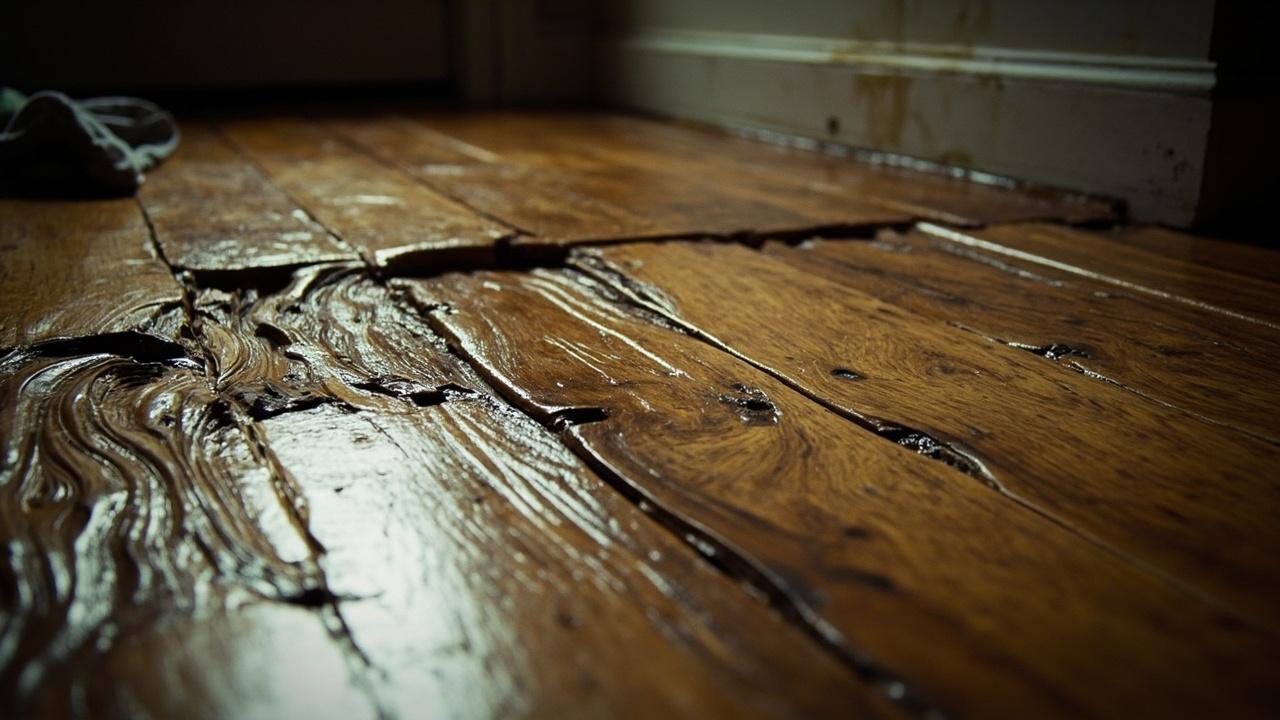
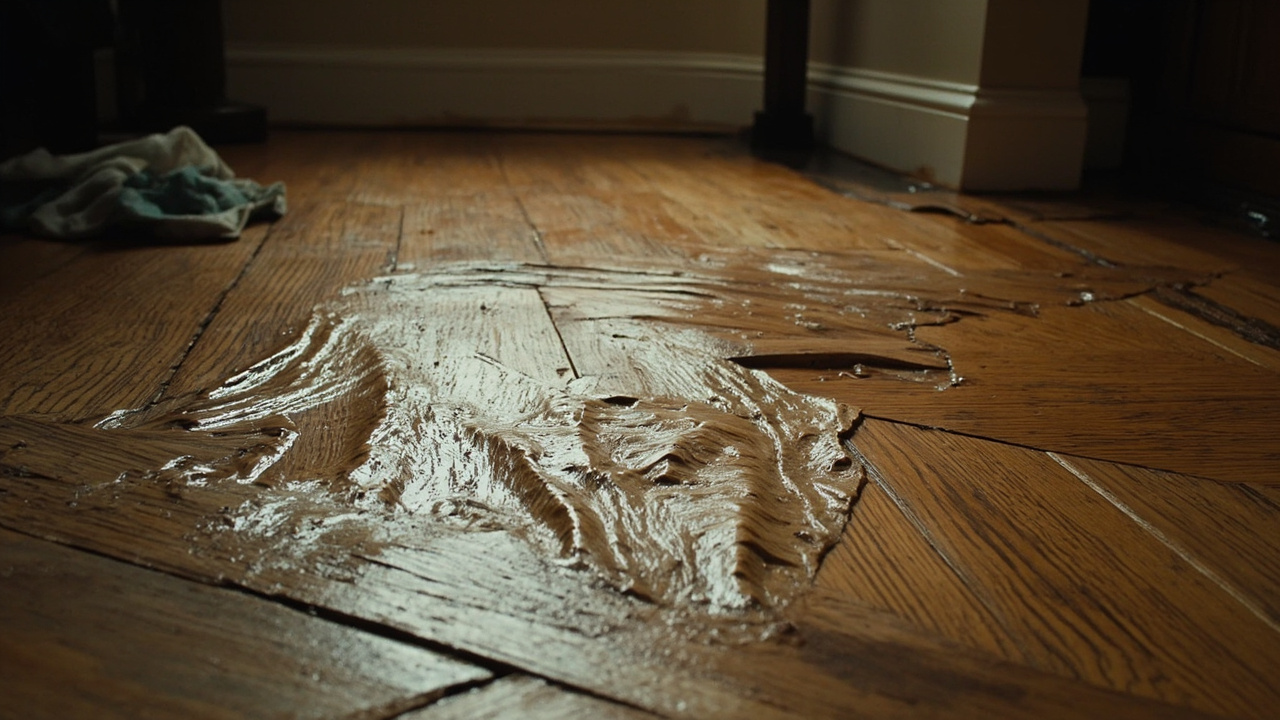
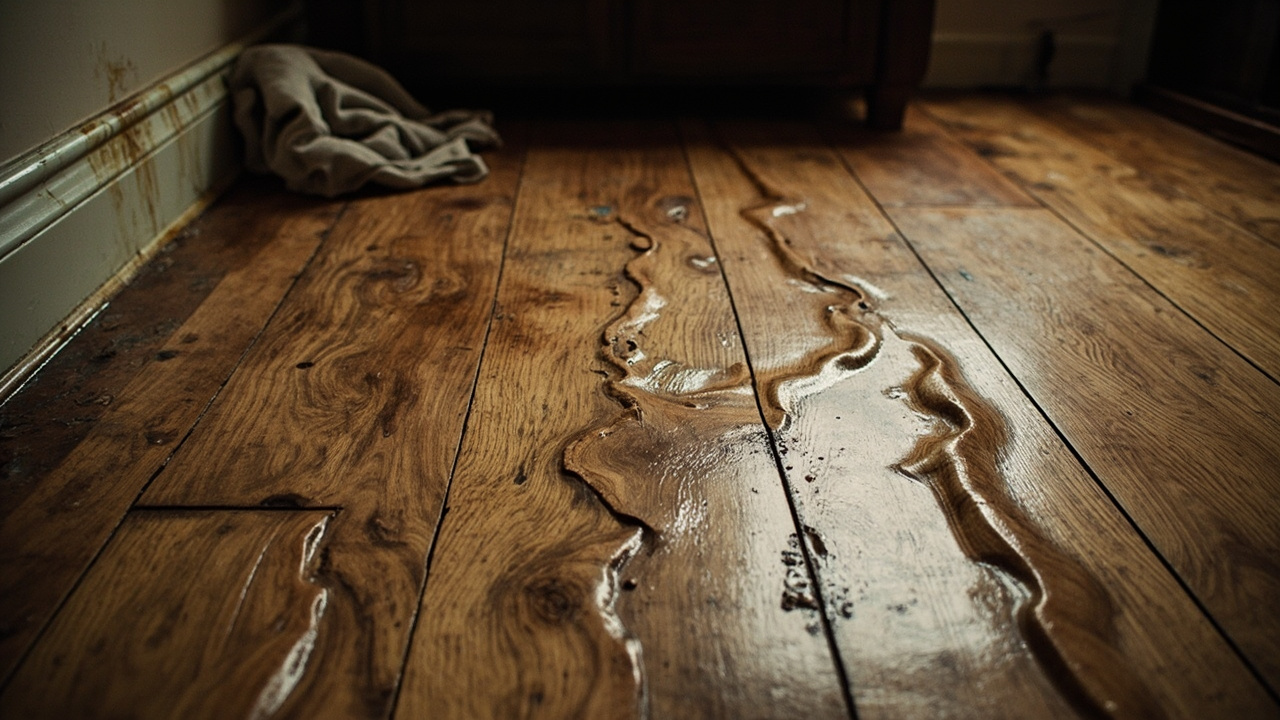
Peaking hardwood joints and warped hardwood flooring signal active water damage. The wood absorbs moisture, expands across the grain, and pushes against neighboring planks. Cupping means the plank edges rise higher than the center. Buckling means entire sections lift from the subfloor.

Most homeowners blame the flooring installer or the wood quality. The real culprit hides beneath your feet. Subfloor moisture creates vapor pressure that drives water molecules into wood cells. The planks swell, deform, and lose structural integrity.

You cannot fix cupping or buckling wood floors without addressing the moisture source. Sanding warped planks before eliminating water intrusion guarantees the problem returns. You need moisture mapping, thermal imaging, and hygrometer testing to identify where water enters your floor system and why your subfloor cannot dry properly.

Why Virginia Beach Hardwood Floors Warp, Cup, and Buckle
How We Diagnose and Repair Cupping or Buckling Wood Floors Permanently

How We Diagnose and Repair Cupping or Buckling Wood Floors Permanently

We start with moisture content readings using pin-type and pinless meters calibrated for oak, maple, and engineered hardwood species. Normal moisture content ranges from 6 to 9 percent. Cupping or buckling wood floors typically measure 12 to 18 percent. Readings above 20 percent indicate active leaks or vapor transmission through concrete slabs.

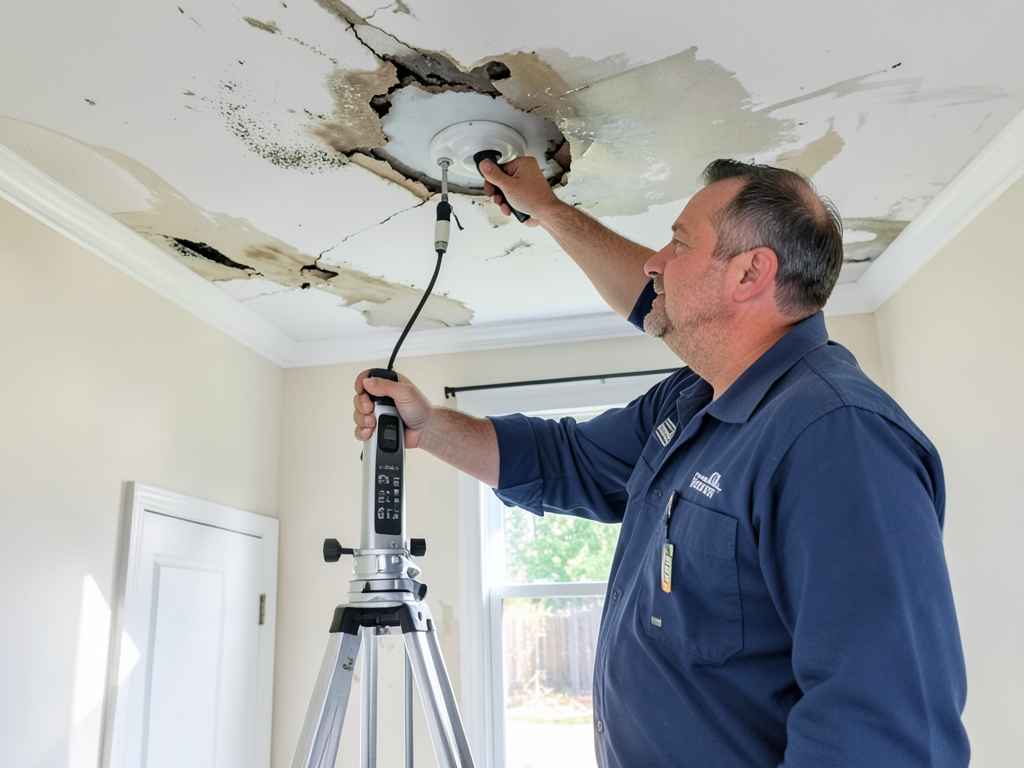
Thermal imaging cameras detect temperature differentials that reveal hidden plumbing leaks, HVAC condensation lines, and groundwater seepage. Cold spots on subfloors pinpoint where water migrates through foundation cracks or failed vapor barriers.

Relative humidity mapping shows whether moisture originates from above the floor or below. High readings at baseboards versus floor centers tell us if the problem stems from exterior wall leaks or crawl space humidity.

Once we locate the moisture source, we implement targeted extraction and drying protocols. Truck-mounted extractors remove standing water from subfloors. Low-grain refrigerant dehumidifiers pull moisture from wood fibers without overdrying and causing shrinkage cracks. Air movers create circulation patterns that accelerate evaporation while maintaining controlled drying rates.

We monitor moisture content daily using the same pin locations to track drying progress. Wood floors require 7 to 14 days to reach equilibrium moisture content, depending on plank thickness and species density.

After the subfloor and hardwood planks stabilize below 10 percent moisture content, we assess whether the flooring can be saved. Minor cupping often self-corrects as wood contracts during drying. Severe buckling requires plank replacement and subfloor reinforcement.

We address the root cause by installing crawl space encapsulation systems, repairing foundation cracks, rerouting exterior drainage, and sealing HVAC ductwork that introduces humid air into floor cavities.

What Happens During Wood Floor Water Damage Restoration

Cupping or Buckling Wood Floors in Virginia Beach – Expert Diagnosis and Permanent Moisture Control
01

Moisture Source Detection

We use thermal imaging and moisture meters to map where water enters your floor system. This step identifies whether you face plumbing leaks, foundation seepage, HVAC condensation, or vapor transmission through concrete slabs. We test crawl space humidity, check exterior grading, and inspect subfloor ventilation. Accurate diagnosis prevents wasted effort treating symptoms instead of causes.
02

Controlled Structural Drying

We extract standing water, then deploy commercial dehumidifiers and air movers calibrated to your wood species and plank thickness. Drying too fast causes shrinkage cracks. Drying too slowly allows mold growth between subfloor and hardwood. We monitor moisture content daily and adjust equipment placement to maintain optimal evaporation rates. The goal is equilibrium moisture content below 10 percent.
03

Permanent Moisture Control

After your floors stabilize, we implement long-term solutions like crawl space vapor barriers, foundation crack repairs, or improved subfloor ventilation. This step prevents recurrence. We also assess whether cupped planks will flatten naturally or require sanding, and whether buckled sections need replacement. You receive documentation of moisture readings and recommended maintenance intervals to protect your investment.

Why Virginia Beach Homeowners Trust Apex for Wood Floor Water Damage

Virginia Beach's coastal location creates moisture challenges that generic restoration advice cannot solve. We understand how high water tables near the Oceanfront and Chesapeake Bay neighborhoods force groundwater through concrete slabs. We know how barrier island sand provides poor drainage, trapping water beneath homes in Princess Anne and Kempsville.

Our team recognizes the difference between modern engineered hardwood and older solid oak planks installed in North End bungalows and Great Neck colonials. Each species and construction method requires different drying protocols and moisture content targets.

We work directly with local adjusters who handle claims for Virginia Beach residents. This familiarity speeds documentation, approval, and payment processes. You avoid claim denials caused by improper mitigation or incomplete moisture mapping.

Apex Water Damage Restoration Virginia Beach uses the same moisture detection tools employed by forensic engineers who testify in construction defect litigation. Our reports include thermal images, daily moisture logs, and psychrometric calculations that satisfy insurance requirements and protect your claim value.

We also understand Virginia Beach building codes that govern subfloor ventilation, vapor barrier installation, and crawl space encapsulation. Homes built before 1990 often lack adequate moisture protection. We bring older foundations into compliance while restoring your hardwood floors.

You need a team that knows the difference between surface moisture from mopping and structural moisture from foundation leaks. We provide that expertise without the guesswork, protecting both your floors and your property value.

Our response time matters when water spreads beneath your planks. We arrive within hours, not days, and bring truck-mounted extraction equipment that removes water faster than portable units.

What to Expect When We Restore Your Warped Hardwood Floors

Immediate Response and Damage Assessment

We arrive within 2 to 4 hours of your call to stop water damage progression. Our technicians conduct thermal imaging scans and moisture content testing across your entire floor area to determine the extent of swollen wood planks and subfloor saturation. You receive a written scope of work that identifies moisture sources, affected square footage, and estimated drying time. This assessment includes photos and moisture readings that support your insurance claim documentation.

Comprehensive Moisture Mapping and Testing

We test moisture content at 16-inch intervals across your hardwood floors using calibrated pin meters and non-invasive scanners. Readings reveal whether cupping or buckling originates from topical water exposure or subfloor vapor transmission. We also measure relative humidity at floor level and in crawl spaces or basements to identify hidden moisture sources. This data determines which planks can be saved and which require replacement after drying completes.

Documented Drying Progress and Floor Stability

Your floors return to equilibrium moisture content within 7 to 14 days, depending on plank thickness and saturation levels. We provide daily moisture logs that track drying progress and confirm when wood reaches safe levels below 10 percent. Minor cupping often self-corrects as planks contract. Severe warping may require professional sanding after full stabilization. You receive final documentation showing before and after moisture readings and restoration outcomes.

Long-Term Protection and Maintenance Guidance

We identify and repair the moisture sources that caused your lifting floorboards, whether that involves crawl space encapsulation, foundation crack sealing, or improved subfloor ventilation. You receive maintenance recommendations for maintaining optimal indoor humidity levels between 30 and 50 percent year-round. We also provide annual moisture inspection services that catch early warning signs before new cupping or buckling develops, protecting your investment long after restoration completes.

Frequently Asked Questions

You Have Questions,
We Have Answers

What is the difference between cupping and buckling floors? +

Cupping happens when moisture absorbs into the bottom of wood planks faster than the top, causing edges to rise and the center to dip. The board curves upward like a shallow cup. Buckling is more severe. The entire plank detaches from the subfloor and lifts dramatically, often creating gaps or visible warping. In Virginia Beach, high humidity from coastal air drives cupping, while buckling typically follows flooding or major leaks where water saturates the subfloor. Both indicate moisture problems, but buckling signals structural damage requiring immediate professional assessment and subfloor repair.

Will cupped hardwood floors flatten out? +

Sometimes, but not always. If you catch cupping early and eliminate the moisture source, planks may flatten as they dry. This process takes weeks or even months in Virginia Beach's humid climate. However, if moisture exposure was prolonged or severe, the wood fibers compress permanently and will not return to their original shape. Forcing the issue with heat or dehumidifiers too quickly causes cracking. A moisture meter reading below 12 percent is essential before attempting any repairs. Professional assessment determines if natural drying will work or if replacement is necessary.

What does cupping look like on a wood floor? +

Cupped wood floors show edges higher than the centers, creating a concave surface along each plank. Run your hand across the boards and you will feel ridges at the seams. Light reflects unevenly, making floors look wavy or rippled. In severe cases, the dips collect dust or water. Virginia Beach homeowners often first notice cupping near sliding glass doors, bathrooms, or crawlspaces where humidity enters from below. The crowned edges create tripping hazards and prevent proper cleaning. Early cupping looks subtle, almost like a texture change, before progressing to obvious warping.

What does a buckled hardwood floor look like? +

Buckled floors lift entirely from the subfloor, creating dramatic peaks or tenting. You will see planks separated vertically, sometimes several inches high, with visible gaps underneath. The wood pushes upward in waves or isolated humps, often accompanied by cracking sounds when walked on. In Virginia Beach, buckling frequently follows storm flooding or burst pipes where water floods the subfloor quickly. Unlike cupping, buckling does not flatten. The fasteners pull loose, adhesive fails, and the structural integrity is compromised. Buckled sections feel spongy underfoot and require immediate removal to prevent mold growth in the subfloor.

How Virginia Beach's Coastal Water Table Accelerates Wood Floor Cupping

Virginia Beach sits on a barrier island and coastal plain where the water table rises to within 3 feet of ground level in neighborhoods near Broad Bay, Crystal Lake, and the Lynnhaven River watershed. This shallow groundwater pushes moisture through concrete slabs and crawl space floors during spring and summer months. Homes built on sandy soil near the Oceanfront experience even higher vapor transmission rates because sand provides minimal capillary break between groundwater and foundation systems. Your hardwood floors absorb this rising moisture through missing vapor barriers or cracked slab edges, causing the swollen wood planks and peaking hardwood joints that signal active water intrusion from below.

Apex Water Damage Restoration Virginia Beach has restored warped hardwood flooring in every neighborhood from Sandbridge to the Chesapeake Bay Bridge. We understand how seasonal humidity fluctuations affect different foundation types across the city. Our team knows which streets near Lake Rudee and Lake Wesley flood during nor'easters and king tides, and how that groundwater saturates subfloors long after surface water recedes. We work with local building inspectors who enforce Virginia Beach's foundation drainage requirements, ensuring our moisture control solutions meet code and protect your floors from future damage.

Water Damage Services in The Virginia Beach Area

We are proud to serve the entire Virginia Beach area and surrounding communities. Our centrally located office allows us to provide a quick response to any water damage emergency. View our location on the map to see our service area, or simply give us a call and we'll dispatch a certified team to your location right away, ready to assist with your restoration needs.

Address:
Apex Water Damage Restoration Virginia Beach, 138 S Rosemont Rd, Virginia Beach, VA, 23452

Additional Services We Offer

Our news updates

Latest Articles & News from The Blogs

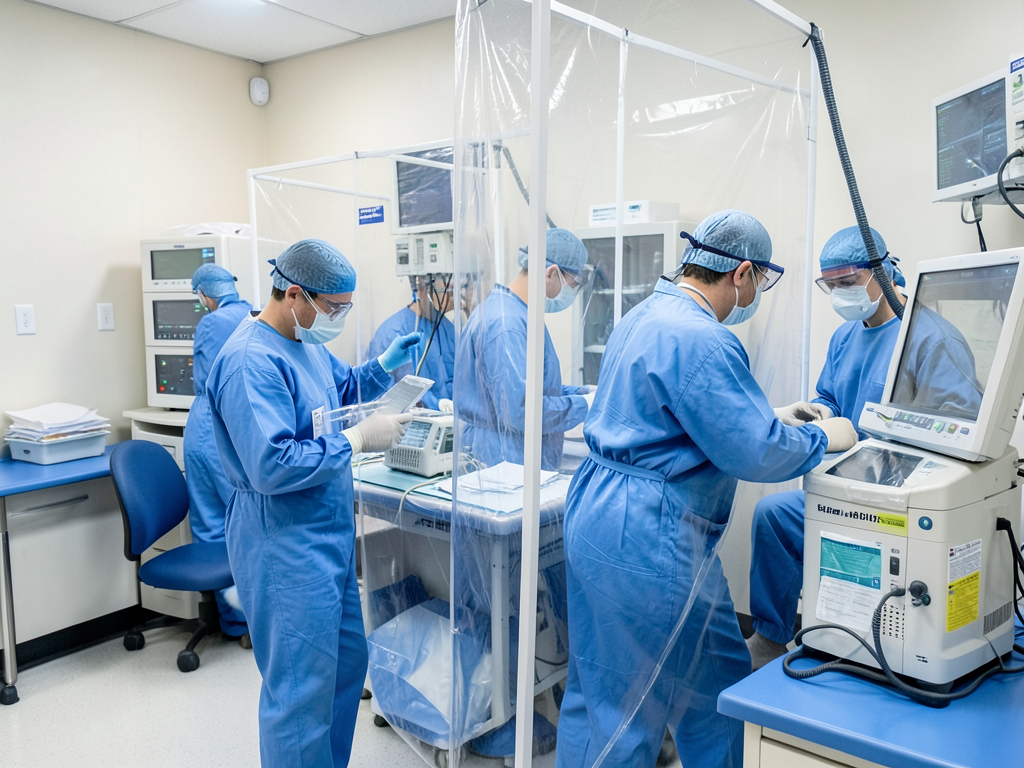
Water Damage Protocols for Medical Offices and Clinics in the Princess Anne Area When water damage strikes a medical office…

Water Damage Protocols for Medical Offices and Clinics in the Princess Anne Area

Water Damage Protocols for Medical Offices and Clinics in the Princess Anne Area When water damage strikes a medical office…

How Balcony Drainage Issues Cause Interior Water Damage for Oceanfront Condo Owners

How Balcony Drainage Issues Cause Interior Water Damage for Oceanfront Condo Owners \n\n Oceanfront condo owners in Virginia Beach face…

Breaking Your Lease Over Unresolved Water Damage (A Guide for Virginia Beach Renters)

Breaking Your Lease Over Unresolved Water Damage (A Guide for Virginia Beach Renters) Living with unresolved water damage in your…

Contact Us

Cupping and buckling get worse every day water remains trapped beneath your planks. Call Apex Water Damage Restoration Virginia Beach at (757) 909-5033 right now for emergency moisture detection and structural drying that saves your hardwood floors.