




Menu

High Indoor Humidity Levels in Virginia Beach – Expert Diagnosis and Permanent Solutions for Elevated Home Humidity

When high indoor humidity levels damage your property and health, you need precise moisture assessment and professional remediation. Our certified technicians identify the source of excessive indoor moisture and restore safe humidity levels throughout your Virginia Beach home.

Slider Image 1
Slider Image 2
Slider Image 3
Slider Image 4
Slider Image 5
Slider Image 7
Slider Image 8
Slider Image 9
Slider Image 10
Slider Image 11

Why Virginia Beach Homes Battle Chronic Indoor Moisture Problems

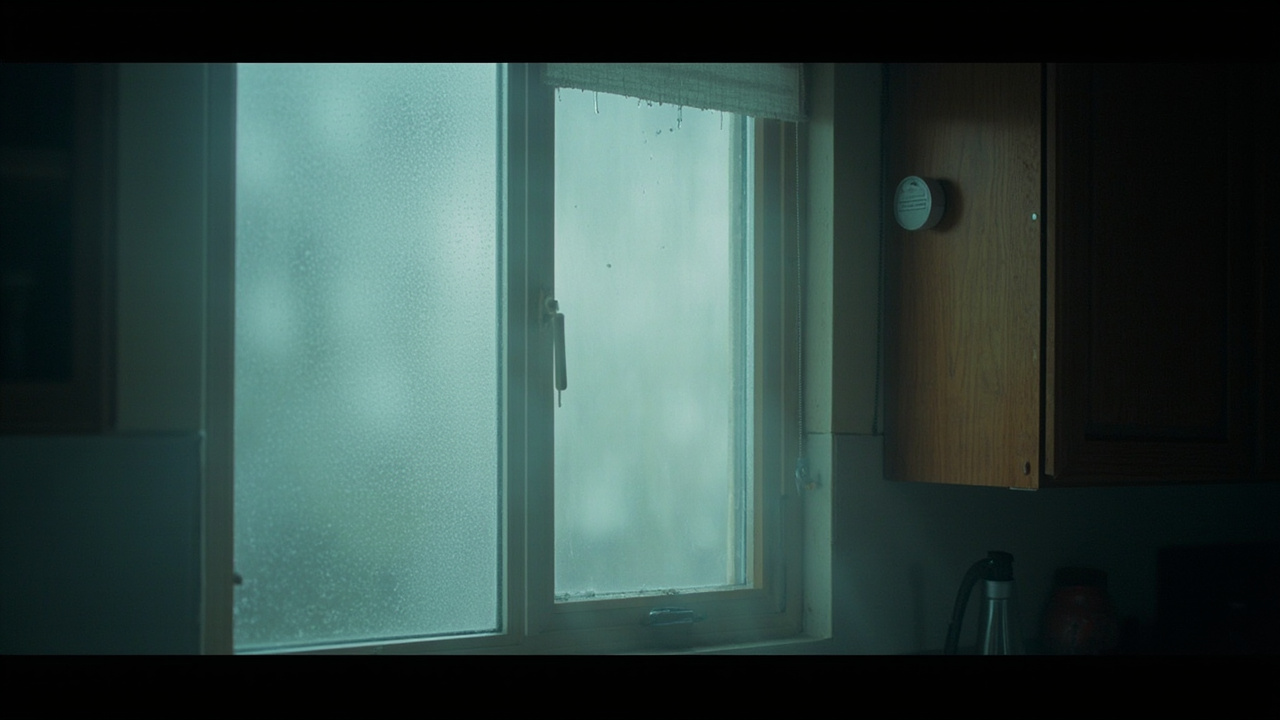
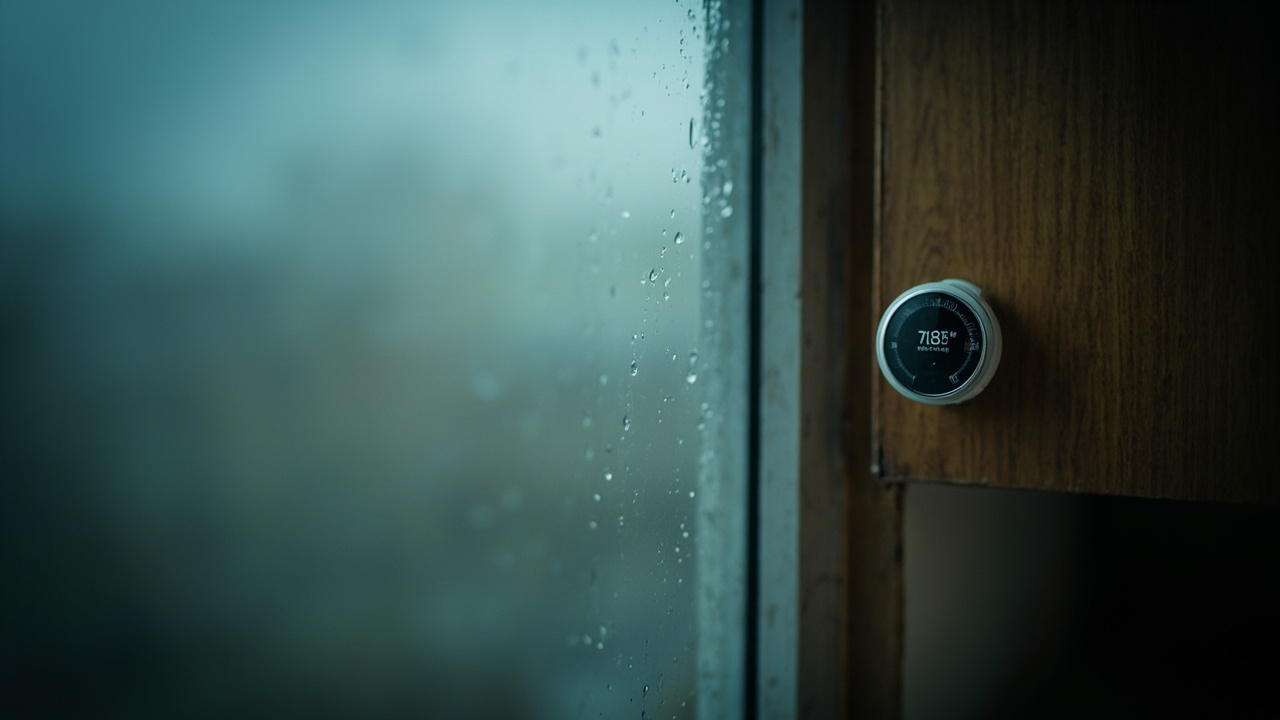
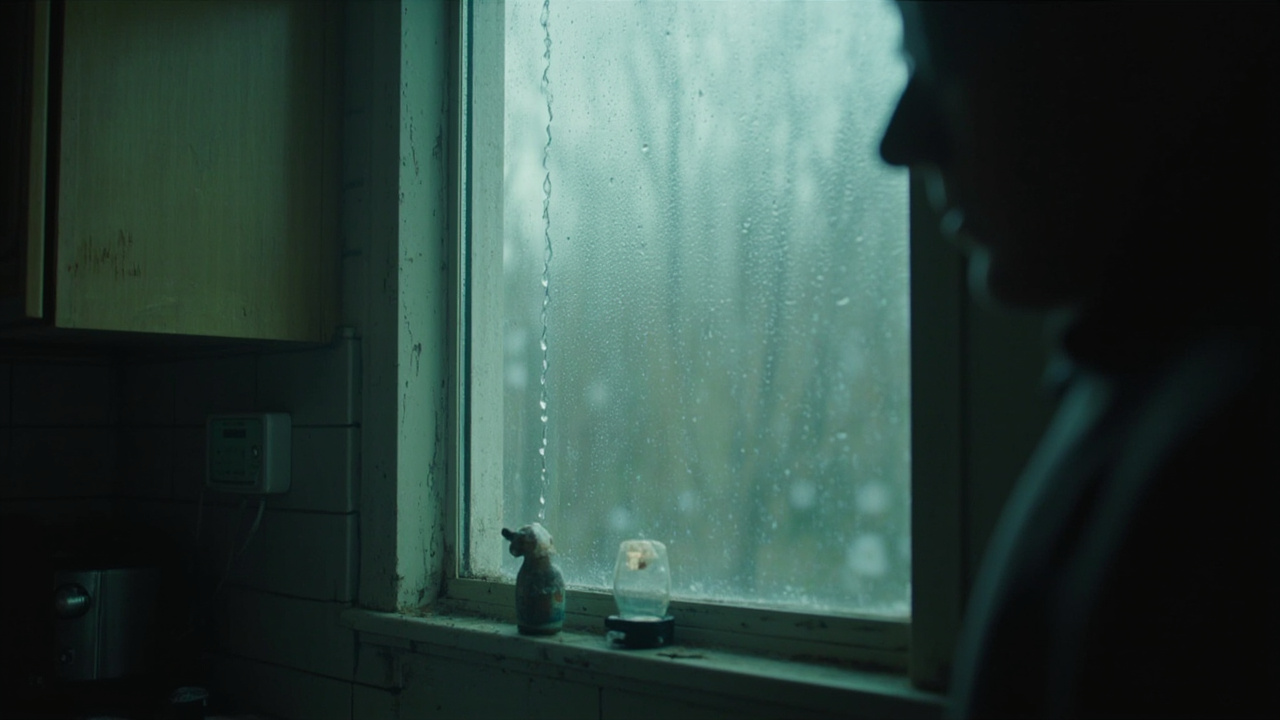
You walk into your home and the air feels thick. Your windows fog up even when it's not raining. Dark spots appear on your ceiling corners. These are not random events. They are symptoms of elevated home humidity that Virginia Beach residents face every day.

Virginia Beach sits at sea level with the Atlantic Ocean to the east and the Chesapeake Bay to the north. This geographic sandwich creates constant moisture infiltration. Summer months push outdoor humidity above 75 percent. That moisture creeps through foundation walls, around window frames, and up through crawl spaces. Your HVAC system struggles to compensate. The result is high relative humidity indoors that breeds mold, warps flooring, and triggers respiratory issues.

Excessive indoor moisture damages more than your comfort. It destroys drywall, rots wood framing, and corrodes metal fixtures. Mold colonies establish within 24 to 48 hours when indoor humidity exceeds 60 percent. Once established, they release spores that circulate through your ventilation system. You breathe them. Your family breathes them. The problem compounds daily until you address the root cause.

Many Virginia Beach homes were built before modern moisture barriers became standard. Older homes in the Oceanfront and Chic's Beach neighborhoods lack proper vapor barriers in crawl spaces. Newer construction in Red Mill and Kempsville may have inadequate ventilation systems. The building envelope fails. Humid outdoor air penetrates. Indoor moisture problems become chronic. You need professional assessment to identify where your home's defenses have failed and why excess humidity in house persists despite running your air conditioner constantly.

Why Virginia Beach Homes Battle Chronic Indoor Moisture Problems
How We Diagnose and Eliminate Elevated Home Humidity

How We Diagnose and Eliminate Elevated Home Humidity

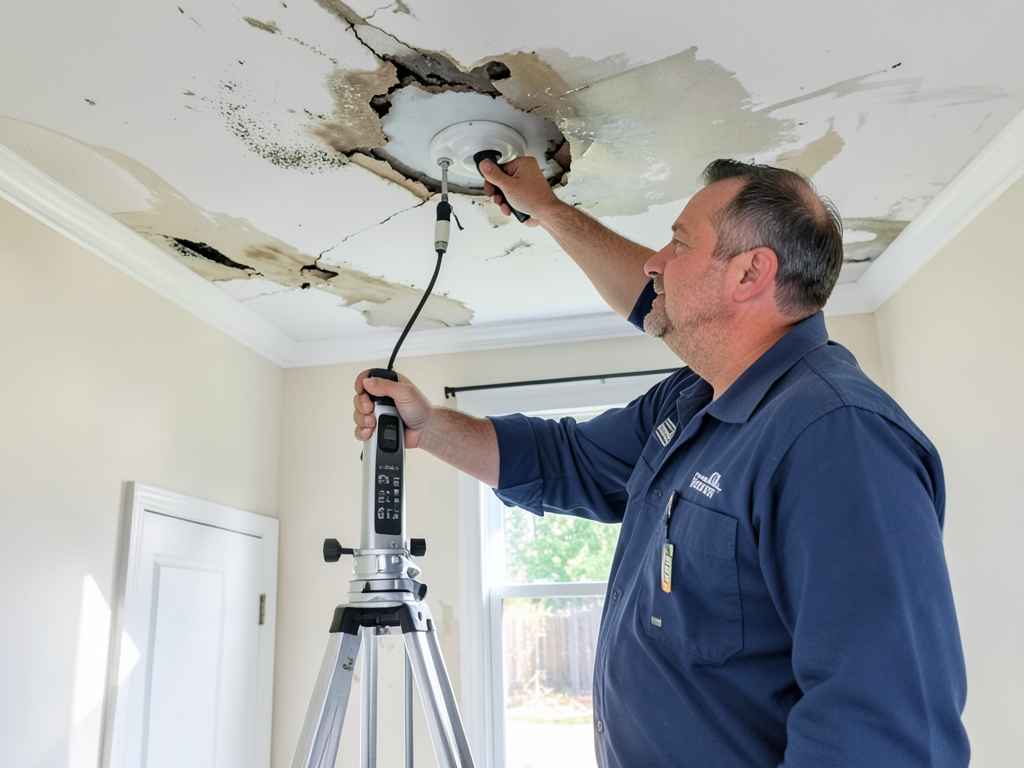
We do not guess about moisture sources. We measure them. Our technicians arrive with calibrated hygrometers, infrared cameras, and moisture meters. These tools reveal exactly where water vapor enters your home and where it accumulates.

First, we establish baseline readings in every room. We measure relative humidity at multiple heights because warm, moist air rises and creates stratification. Ceilings may read 70 percent while floors read 55 percent. That gradient tells us about air circulation failures. We check behind furniture, inside closets, and along exterior walls. Hidden moisture often concentrates in areas with poor air movement.

Next, we use thermal imaging to identify temperature differentials. Cold spots on interior walls indicate insulation gaps where humid outdoor air infiltrates. Warm spots on floors above crawl spaces reveal inadequate vapor barriers. These temperature anomalies guide our physical inspection. We examine foundation vents, crawl space conditions, attic ventilation, HVAC ductwork, and plumbing penetrations.

We test your HVAC system's dehumidification capacity. Many systems lack adequate latent cooling ability for Virginia Beach's climate. The compressor may cool air temperature but fail to remove enough moisture. We measure supply air temperature and humidity, then compare it to return air readings. This data reveals whether your system contributes to the problem or helps solve it.

Once we identify all moisture sources, we develop a remediation plan. This may include crawl space encapsulation with reinforced polyethylene barriers, mechanical dehumidification, improved ventilation, or HVAC modifications. We address structural issues like failed flashing or compromised building wrap. Every solution targets the specific failure points in your home's moisture management system. We eliminate indoor moisture problems at their source rather than masking symptoms.

What Happens During Your Humidity Assessment

High Indoor Humidity Levels in Virginia Beach – Expert Diagnosis and Permanent Solutions for Elevated Home Humidity
01

Initial Moisture Mapping

We document humidity levels and temperature in every room using calibrated hygrometers and infrared cameras. This creates a moisture map of your entire home. We photograph problem areas and record measurements digitally. You receive a detailed report showing exactly where elevated home humidity concentrates and why. This baseline data guides all remediation decisions and provides documentation for insurance claims if water damage has occurred.
02

Source Identification and Testing

Our technicians inspect your crawl space, attic, HVAC system, and building envelope. We use moisture meters to test wall cavities, flooring, and structural lumber. We evaluate foundation vents, vapor barriers, and drainage systems. We check your air handler, ductwork, and condensate lines for leaks or inadequate insulation. This comprehensive assessment identifies every factor contributing to excess humidity in house. We explain findings in plain language so you understand what failed and why.
03

Remediation Plan Development

We create a prioritized action plan based on severity and cost effectiveness. You receive written recommendations with scope descriptions and realistic timelines. We explain which repairs provide immediate relief and which prevent long-term damage. Options may include dehumidifier installation, crawl space encapsulation, ventilation improvements, or structural repairs. You make informed decisions about your property. We execute the plan efficiently and verify results with post-remediation humidity testing to confirm normal levels.

Why Virginia Beach Property Owners Trust Our Humidity Solutions

Virginia Beach's unique coastal geography demands specialized moisture expertise. Generic advice from national companies fails here because they do not understand how the Chesapeake Bay and Atlantic Ocean create constant vapor pressure against your home's envelope. We work in this environment every day. We know which neighborhoods flood during nor'easters. We know which builders used substandard vapor barriers in the 1980s. We know how the water table behaves in London Bridge versus Great Neck.

Our technicians train specifically on coastal moisture dynamics. We understand building science principles like dewpoint temperature, vapor drive, and pressure differentials. When we tell you that your crawl space needs encapsulation, we explain exactly how ground moisture migrates upward through your floor system and why a simple plastic sheet will not solve the problem. We specify reinforced barriers with sealed seams and mechanical dehumidification because that is what works in Virginia Beach's climate.

We coordinate with local building inspectors who enforce the Virginia Residential Code. We know which moisture remediation methods meet code requirements and which do not. This prevents costly rework and inspection failures. When we encapsulate a crawl space or modify ventilation systems, the work passes inspection the first time.

Many Virginia Beach homes have experienced hurricane flooding from storms like Isabel or Matthew. Water intrusion leaves lasting moisture problems even after visible water recedes. We locate hidden water damage that other companies miss. Our moisture meters detect elevated readings inside wall cavities and under flooring long after surfaces appear dry. We prevent mold growth that would otherwise develop silently over months.

Apex Water Damage Restoration Virginia Beach maintains relationships with local insurance adjusters and understands policy coverage for moisture damage. We document findings thoroughly and communicate directly with adjusters. This streamlines claims processing and ensures you receive appropriate coverage for necessary repairs.

What to Expect When You Contact Us

Response Time and Availability

We dispatch technicians within two hours during business days. Emergency moisture situations receive same-day response. Our assessment appointments typically last 90 minutes to two hours depending on property size and complexity. We schedule at your convenience including evenings and weekends. You do not wait days while moisture damage worsens. We understand that high indoor humidity levels cause immediate discomfort and ongoing property damage. Our phone line operates 24 hours per day. You speak with a knowledgeable team member who can answer questions and schedule service immediately. We maintain service vehicles stocked with diagnostic equipment throughout Virginia Beach to minimize travel time to your property.

The Assessment Process

Your assessment begins with a detailed interview about symptoms you have observed. We ask about condensation patterns, odors, visible mold, and health symptoms. This information guides our physical inspection. We then conduct room-by-room humidity testing and thermal imaging. We access crawl spaces and attics if present. We photograph all findings and take detailed notes. You accompany us during the inspection if you choose. We explain what we find in real time. At the conclusion, we present a written report with measurements, photos, and specific recommendations. You receive a digital copy via email. The report includes clear explanations of each problem and the reasoning behind our recommended solutions.

Quality of Remediation Work

Our remediation work addresses root causes rather than symptoms. If your crawl space requires encapsulation, we install commercial-grade reinforced vapor barriers with sealed seams and mechanical attachment. We do not simply lay plastic on the ground. If your HVAC system cannot manage moisture loads, we install properly sized dehumidification equipment integrated with your existing system. We use antimicrobial treatments only after eliminating moisture sources because chemicals cannot solve humidity problems. Every installation meets manufacturer specifications and local building codes. We verify results with post-remediation testing that confirms humidity levels have returned to normal ranges. You receive documentation of all work performed and materials installed.

Ongoing Monitoring and Support

After remediation, we provide guidance on maintaining healthy humidity levels. This includes recommended thermostat settings, dehumidifier maintenance schedules, and seasonal adjustments for Virginia Beach's climate. We offer follow-up inspections at 30 and 90 days post-remediation to verify the problem has not returned. These inspections include humidity testing and visual examination of previously affected areas. If humidity levels creep upward, we identify the cause and address it promptly. Many clients establish annual inspection schedules to catch moisture problems before they cause damage. We maintain detailed service records for your property so we can track trends over time and adjust recommendations as your home ages.

Frequently Asked Questions

You Have Questions,
We Have Answers

Is 70% humidity too high in a house? +

Yes, 70% humidity is too high for indoor environments. The EPA recommends keeping indoor humidity between 30-50% to prevent mold growth and structural damage. In Virginia Beach, our coastal climate already pushes moisture levels higher than inland areas. When indoor humidity exceeds 60%, you create conditions where mold spores activate within 24-48 hours. You will also notice condensation on windows, musty odors, and warping in wood floors or trim. High humidity makes your home feel warmer than the thermostat reading, forcing your AC to work harder and increasing energy costs.

What happens if indoor humidity is too high? +

High indoor humidity creates a cascade of problems. Mold and mildew thrive above 60% humidity, spreading across walls, ceilings, and HVAC ducts. You will see water stains, peeling paint, and warped baseboards as moisture penetrates building materials. Dust mites multiply rapidly in humid conditions, triggering allergies and asthma. Your home feels sticky and uncomfortable. Wood furniture swells and cracks. Metal fixtures corrode faster. In Virginia Beach homes, high humidity often indicates poor ventilation, failed vapor barriers, or crawl space moisture infiltration. Left unaddressed, structural rot develops in wall cavities and floor joists.

Can humidity cause nausea? +

Yes, high humidity can cause nausea and other physical symptoms. When indoor air holds excessive moisture, your body struggles to cool itself through perspiration. This heat stress triggers nausea, dizziness, and fatigue. Mold spores that thrive in humid environments release mycotoxins that affect your respiratory and nervous systems, causing headaches and gastrointestinal distress. Virginia Beach residents often mistake these symptoms for seasonal allergies or food sensitivity. If you feel nauseous primarily at home and symptoms improve when you leave, high indoor humidity and mold exposure are likely culprits. Check humidity levels immediately.

What is the ideal humidity for a baby? +

The ideal humidity range for a baby is 40-50%. Babies regulate body temperature less efficiently than adults, making them vulnerable to both dry and humid conditions. Below 40%, dry air irritates nasal passages and increases respiratory infection risk. Above 50%, mold spores and dust mites proliferate, triggering breathing problems and skin irritation. In Virginia Beach, where outdoor humidity often exceeds 70% during summer months, maintaining proper indoor levels requires active dehumidification. Place a hygrometer in your baby's room and run a dehumidifier when readings climb above 50%. Clean the unit weekly to prevent mold.

Will mold grow at 70 humidity? +

Mold can grow at 70% humidity, though it prefers higher levels. Most mold species activate when relative humidity stays above 60% for 24-48 hours. At 70%, you provide optimal conditions for black mold, mildew, and other fungi. Virginia Beach homes face additional risk from our coastal location and clay soil that traps moisture beneath foundations. Mold spreads rapidly through drywall, insulation, and wood framing once established. You will smell musty odors before seeing visible growth. By the time black spots appear on walls or ceilings, mold has already colonized hidden spaces behind surfaces.

Does opening a window reduce humidity? +

Opening a window reduces humidity only when outdoor humidity is lower than indoor levels. In Virginia Beach, this rarely happens between May and September when coastal humidity regularly exceeds 80%. Opening windows during humid months brings moisture inside, worsening the problem and forcing your AC to work harder. Windows help during cooler months with lower outdoor humidity. Cross-ventilation through opposite windows creates airflow that carries moisture out. Check outdoor humidity before opening windows. If it feels sticky outside, keep windows closed and run a dehumidifier instead. Proper mechanical ventilation outperforms window opening year-round.

Can you get sick if your house is too humid? +

Yes, you can get sick from living in a humid house. High humidity creates perfect conditions for mold, dust mites, and bacteria that trigger respiratory infections, asthma attacks, and chronic allergies. Mold spores release mycotoxins that cause headaches, fatigue, and immune system suppression. You may develop skin rashes, sinus infections, or bronchitis. Children and people with compromised immune systems face the highest risk. In Virginia Beach, where humidity stays elevated most of the year, inadequate dehumidification leads to serious health consequences. If multiple family members experience unexplained respiratory symptoms, test your indoor humidity immediately.

Do dehumidifiers really work for humidity? +

Dehumidifiers work effectively when properly sized and maintained. A quality unit removes 30-70 pints of moisture daily, dropping indoor humidity from problem levels to the recommended 30-50% range. Effectiveness depends on square footage coverage, unit capacity, and run time. In Virginia Beach homes, basement and crawl space dehumidifiers prevent ground moisture from migrating upward. Empty collection tanks daily or connect to a drain line for continuous operation. Clean filters weekly and coils monthly to maintain efficiency. Portable units work for single rooms. Whole-home systems integrated with HVAC provide comprehensive moisture control.

How do you fix high humidity in your house? +

Fix high humidity by addressing moisture sources and improving ventilation. Run bathroom and kitchen exhaust fans during and 20 minutes after water use. Install a whole-home dehumidifier or portable units in problem areas. Seal crawl space vents and install vapor barriers over exposed soil. Fix plumbing leaks immediately. Ensure gutters direct water away from your foundation. In Virginia Beach, check for ground moisture intrusion through basement walls or slab foundations. Upgrade attic ventilation to prevent heat buildup that forces humidity down into living spaces. Replace weather stripping around doors and windows. Run AC continuously during humid months.

What are the symptoms of humidity sickness? +

Humidity sickness symptoms include persistent headaches, dizziness, fatigue, nausea, respiratory congestion, skin rashes, and difficulty concentrating. You may experience increased asthma or allergy symptoms, sinus pressure, and throat irritation. Some people develop joint pain or muscle aches. In Virginia Beach homes with chronic moisture problems, residents often report waking with stuffy noses or feeling exhausted despite adequate sleep. Mold exposure from high humidity causes more severe reactions including memory problems, mood changes, and chronic coughing. If symptoms improve when you leave home and return after several hours inside, high indoor humidity is the likely cause.

How Virginia Beach's Coastal Climate Creates Persistent Indoor Moisture Challenges

Virginia Beach averages 80 percent relative humidity during summer months due to its position between the Atlantic Ocean and Chesapeake Bay. This creates constant vapor pressure against your home's exterior. Moisture infiltrates through any gap in the building envelope. The sandy soil common throughout the Oceanfront and Sandbridge neighborhoods drains quickly but provides minimal capillary break between ground moisture and foundation systems. Homes built on slab foundations in neighborhoods like Red Mill and Kempsville experience moisture wicking through concrete. The humid air holds more dissolved salts from ocean spray, which accelerates corrosion of metal fasteners and HVAC components. This combination of high ambient humidity, sandy soil, and salt air creates excessive indoor moisture that requires specialized remediation approaches beyond standard dehumidification.

Virginia Beach building codes have evolved significantly regarding moisture management, but many homes were constructed before current standards existed. Properties built before 2000 often lack adequate vapor barriers in crawl spaces or proper attic ventilation. The local building department now requires mechanical ventilation in crawl spaces for new construction, but existing homes remain vulnerable. We work within these local regulatory frameworks and maintain current knowledge of Virginia Residential Code requirements specific to moisture control. Our remediation plans meet or exceed current standards even when applied to older homes. This protects your property value and ensures any future sale inspection will not reveal deferred moisture damage that could derail transactions.


Water Damage Services in The Virginia Beach Area

We are proud to serve the entire Virginia Beach area and surrounding communities. Our centrally located office allows us to provide a quick response to any water damage emergency. View our location on the map to see our service area, or simply give us a call and we'll dispatch a certified team to your location right away, ready to assist with your restoration needs.

Address:
Apex Water Damage Restoration Virginia Beach, 138 S Rosemont Rd, Virginia Beach, VA, 23452

Additional Services We Offer

Our news updates

Latest Articles & News from The Blogs

Water Damage Protocols for Medical Offices and Clinics in the Princess Anne Area When water damage strikes a medical office…

Water Damage Protocols for Medical Offices and Clinics in the Princess Anne Area

Water Damage Protocols for Medical Offices and Clinics in the Princess Anne Area When water damage strikes a medical office…

How Balcony Drainage Issues Cause Interior Water Damage for Oceanfront Condo Owners

How Balcony Drainage Issues Cause Interior Water Damage for Oceanfront Condo Owners \n\n Oceanfront condo owners in Virginia Beach face…

Breaking Your Lease Over Unresolved Water Damage (A Guide for Virginia Beach Renters)

Breaking Your Lease Over Unresolved Water Damage (A Guide for Virginia Beach Renters) Living with unresolved water damage in your…

Contact Us

High indoor humidity levels damage your home every day they persist. Mold grows. Wood rots. Your family breathes contaminated air. Call (757) 909-5033 now for same-day assessment. We identify moisture sources and provide clear solutions that work in Virginia Beach's coastal climate.