





Menu

How to Handle Insurance Claims in Virginia Beach – Expert Documentation and Advocacy Gets You Paid Faster

Navigate the water damage insurance claim process with professional photo documentation, moisture mapping, and direct insurer communication that protects your payout in Virginia Beach's flood-prone coastal zone.

Slider Image 1
Slider Image 2
Slider Image 3
Slider Image 4
Slider Image 5
Slider Image 7
Slider Image 8
Slider Image 9
Slider Image 10
Slider Image 11

Why Virginia Beach Water Damage Claims Get Denied or Underpaid

Virginia Beach sits at sea level. Storm surge from nor'easters, tropical systems off the Atlantic, and tidal flooding in neighborhoods like Chic's Beach and Ocean Park create water intrusion that insurers love to classify as flood damage instead of covered wind-driven rain. That distinction costs you thousands.

The second trap is documentation. Most homeowners snap a few phone photos and expect their adjuster to fill in the blanks. Adjusters work for the insurance company, not you. Without professional moisture readings, thermal imaging, and detailed loss inventories, your claim gets lowballed or rejected outright.

Filing a water damage claim starts the moment water enters your property. The clock is ticking. Most policies require notification within 24 to 48 hours. Delay reporting and you give the insurer grounds to question whether subsequent damage was preventable. In Virginia Beach's humid subtropical climate, mold colonizes wet drywall in 48 to 72 hours. That mold becomes a coverage dispute if you wait.

Navigating water restoration claims means understanding what your policy actually covers. Standard homeowner policies exclude groundwater and flood but cover sudden discharge from pipes, roof leaks from wind damage, and appliance failures. The burden of proof sits with you. Tips for water damage insurance claims boil down to this: document everything, mitigate damage immediately, and get professional help before the adjuster arrives. Managing water mitigation claims without expertise turns a covered loss into an out-of-pocket nightmare.

Why Virginia Beach Water Damage Claims Get Denied or Underpaid
How Professional Water Damage Teams Maximize Your Insurance Recovery

How Professional Water Damage Teams Maximize Your Insurance Recovery

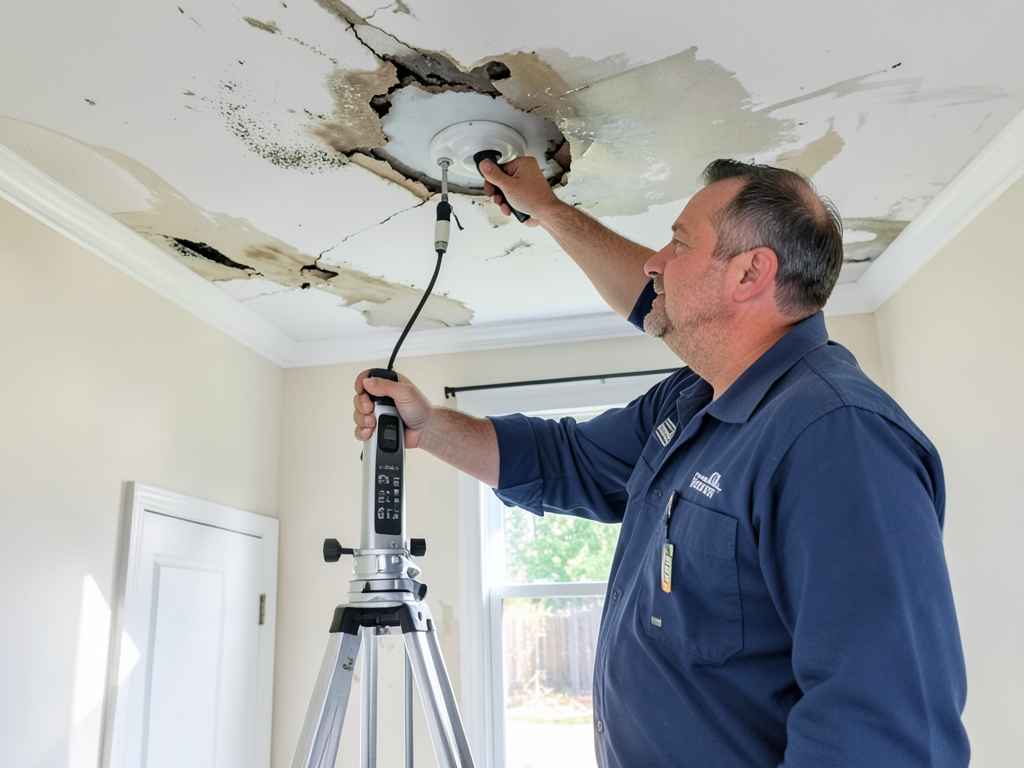
Apex Water Damage Restoration Virginia Beach works directly with your insurer from the first phone call. We generate the documentation adjusters need to approve claims without back-and-forth delays. Our process starts with a detailed moisture survey using pin-type and non-invasive moisture meters. We map affected areas room by room, documenting moisture content percentages in structural materials. Adjusters trust hard data over descriptions.

We photograph every damaged surface before extraction begins. That includes baseboards, drywall, flooring, and personal property. Thermal imaging cameras reveal hidden moisture behind walls and under flooring that visible inspection misses. This prevents insurers from claiming pre-existing damage or underestimating scope.

Our detailed estimates follow Xactimate pricing, the same software most insurance companies use. We itemize every material, labor hour, and equipment rental. When our estimate matches their system, disputes vanish. We also separate emergency mitigation costs from full restoration. Most policies cover emergency water extraction and drying under the mitigation clause even before formal approval. That keeps your claim moving.

We handle direct communication with adjusters and third-party administrators. You get copied on every email and update, but we translate the jargon and push back on lowball offers. When adjusters request additional documentation, we provide it same-day. The water damage insurance claim process moves faster when professionals manage the paperwork. Our goal is full compensation for covered losses without you spending hours on hold or deciphering policy language. We get paid when you get paid, so our incentives align with yours.

What Filing Your Claim Looks Like from Start to Settlement

How to Handle Insurance Claims in Virginia Beach – Expert Documentation and Advocacy Gets You Paid Faster
01

Emergency Contact and Documentation

Call your insurer immediately to report the loss and get a claim number. Then call us at (757) 909-5033. We arrive within 90 minutes and begin photo documentation before any water extraction. We capture moisture readings, take detailed photos, and create a preliminary scope while mitigating further damage. This dual-track approach satisfies your policy's mitigation requirement while building the evidence file your adjuster needs to approve the claim.
02

Adjuster Coordination and Scope Agreement

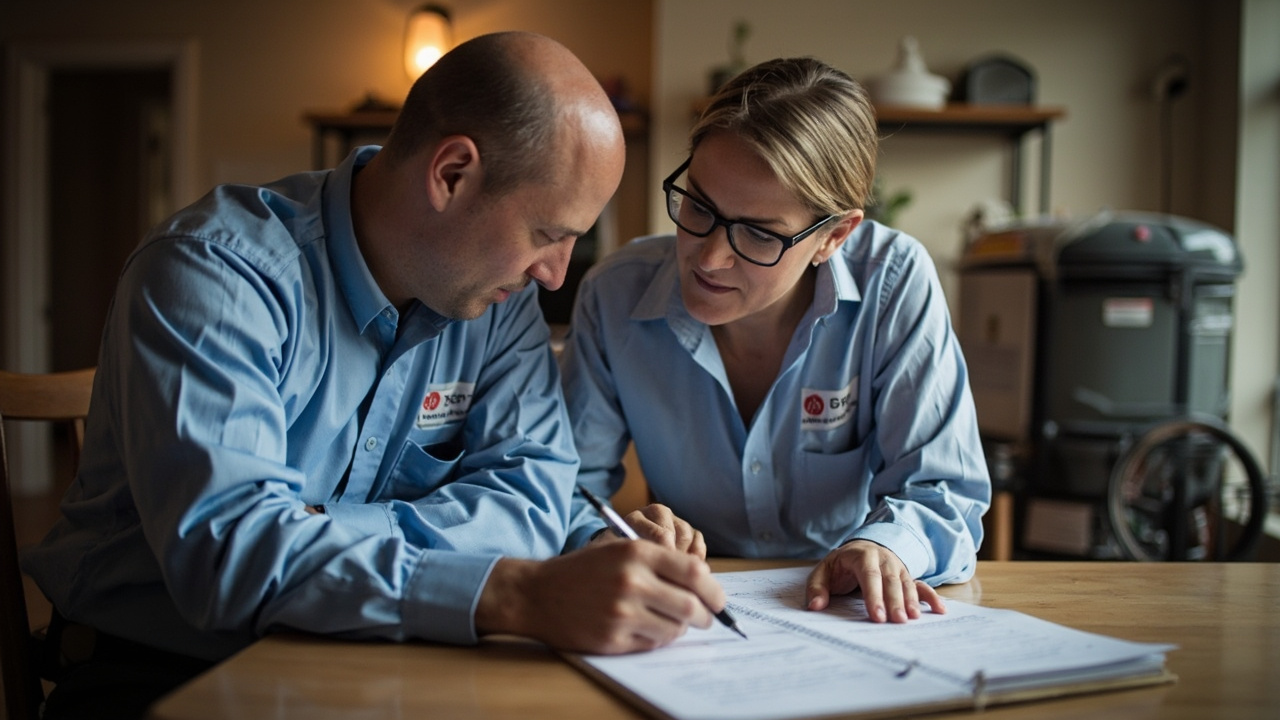
Your insurance company assigns an adjuster within 24 to 48 hours. We schedule a joint inspection where we walk through the damage together. We present our moisture mapping, thermal images, and itemized estimate. Most adjusters approve our scope on-site when documentation is thorough. If they request additional information, we provide it electronically the same day. This prevents the weeks-long delays that occur when homeowners manage claims alone.
03

Restoration and Final Settlement

Once the scope is approved, we begin full restoration while the insurer processes payment. Most policies issue an initial check for actual cash value, then a final payment after work completion. We coordinate the final inspection with your adjuster to release held depreciation. You sign off only when restoration meets your approval. We handle all supplement requests if additional damage is discovered during demolition, keeping your claim whole without surprises.

Why Virginia Beach Homeowners Trust Apex for Insurance Claim Support

Virginia Beach insurance claims involve unique challenges that out-of-town restoration companies miss. Flood zone designations in neighborhoods like Shadowlawn and Alanton require us to distinguish between covered and excluded water sources. We know the difference between tidal surge, wind-driven rain, and plumbing failures because we work these claims every hurricane season.

Our estimators are certified in Xactimate and IICRC water damage restoration protocols. We speak the same language as adjusters from major carriers like State Farm, Allstate, and USAA. When we submit an estimate, it follows industry-standard pricing for the Hampton Roads market. Adjusters rarely push back because our numbers match their cost databases.

We also understand Virginia Building Code requirements for moisture barriers and vapor retarders in below-grade spaces. Many older homes in the North End and Oceanfront lack proper drainage systems. When we restore these properties, we document pre-existing conditions separately from storm damage. This prevents insurers from denying claims based on maintenance issues unrelated to the current loss.

Local expertise matters when disputes arise. We provide written statements, attend appraisal hearings, and work with public adjusters when necessary. Our documentation has held up in coverage disputes involving mold exclusions, gradual damage clauses, and causation questions. You are not navigating this alone. Apex Water Damage Restoration Virginia Beach has managed hundreds of claims in this market. We know what insurers approve, what they fight, and how to structure your claim for maximum recovery without litigation.

What to Expect When You Work with Apex on Your Insurance Claim

Response Time and Emergency Mitigation

We answer your call 24/7 and arrive within 90 minutes anywhere in Virginia Beach. Emergency mitigation begins immediately with water extraction, structural drying, and antimicrobial application. These services fall under your policy's mitigation coverage, which means they are typically approved without waiting for adjuster inspection. We document every step with time-stamped photos and moisture logs. Your claim file is complete before the adjuster even schedules their visit. Speed matters because delayed drying leads to secondary damage that insurers may exclude. We eliminate that risk while building your claim evidence simultaneously.

Detailed Assessment and Scope Development

Our initial assessment uses calibrated moisture meters, thermal imaging, and hygrometers to map wet materials. We test wall cavities, subfloors, and ceilings to identify hidden moisture that becomes mold or rot if left untreated. The assessment generates a detailed scope of work itemized by room, material type, and labor category. We separate contents restoration from structural repairs and list each on your claim estimate. This transparency prevents disputes over what was actually damaged versus what the homeowner wants upgraded. Adjusters approve detailed scopes faster because they see exactly what they are paying for.

Quality Restoration and Code Compliance

Restoration begins only after scope approval. We remove damaged materials, treat framing for mold, and rebuild to current Virginia Building Code standards. This includes proper insulation, moisture barriers, and ventilation in crawl spaces and attics. Many insurance settlements only cover like-kind replacement, but we ensure the restored structure meets code even if the original did not. You pass final inspection without surprises. Our subcontractors are licensed in Virginia Beach, and all work is permitted when required. The final product is not just dry but durable and compliant.

Post-Restoration Verification and Claim Closeout

After restoration, we conduct a final moisture check to verify all materials are within acceptable dry standards. You receive a completion certificate with final moisture readings and photos. We coordinate the final inspection with your adjuster to release any held depreciation or retainage. If your insurer requires an invoice or sworn statement, we provide it. The claim closes only when you are satisfied and fully compensated. We also provide a one-year callback service for any moisture-related issues that arise post-restoration. This is not a warranty on materials but a commitment to verify our drying process was effective.

Frequently Asked Questions

You Have Questions,
We Have Answers

How do you handle insurance claims? +

Start by documenting all damage with photos and videos before any cleanup. Contact your insurance company within 24 hours to report the loss. In Virginia Beach, hurricane season and coastal flooding mean quick action prevents mold growth. Request a copy of your policy to review coverage limits. Mitigate further damage by tarping leaks or extracting standing water. Keep all receipts for emergency repairs and temporary housing. Provide your adjuster with a detailed inventory of damaged items. Work with a local restoration company familiar with Virginia Beach's high humidity challenges. Never sign a settlement before understanding your full entitlement. Follow up in writing to create a paper trail.

What are the 3 D's of insurance claims? +

The 3 D's are Documentation, Diligence, and Details. Documentation means capturing every angle of damage with dated photos and written notes. Diligence requires you to follow claim deadlines and respond quickly to adjuster requests. Details matter because missing even minor damage now can cost you later. In Virginia Beach, where saltwater intrusion and wind-driven rain cause hidden structural issues, thorough documentation is critical. List every affected item, from drywall to personal belongings. Track all communication with your insurer. The more complete your evidence, the stronger your claim position. Never assume the adjuster will find everything during their walkthrough.

What not to say during an insurance claim? +

Never admit fault or speculate about causes. Avoid saying the damage is minor or you can fix it yourself. Do not accept the first settlement offer without review. Never claim you do not need temporary housing or additional living expenses. Avoid discussing pre-existing conditions or prior damage unless directly asked. In Virginia Beach, do not downplay water intrusion from coastal storms. Statements like "I think it happened weeks ago" can trigger coverage denials. Stick to facts only. Do not guess at repair costs or timelines. Let professionals assess the full scope. Your words become part of the claim record and can limit your recovery.

What is the 80% rule in insurance? +

The 80% rule means you must insure your property for 80% of its replacement cost to avoid a coinsurance penalty. If you underinsure, the carrier pays only a proportional amount of the loss. In Virginia Beach, where coastal property values have risen sharply, many homeowners are underinsured without realizing it. Example: If your home needs $400,000 to rebuild but you carry only $250,000 in coverage, you will not receive full payment even on partial losses. Review your policy annually. Coastal construction costs run higher due to wind and flood code requirements. Adjust your coverage limits to match current replacement values.

What are the 5 P's of insurance? +

The 5 P's are Preparation, Protection, Proof, Persistence, and Patience. Preparation means knowing your policy before disaster strikes. Protection involves mitigating damage immediately to prevent claim denials. Proof requires comprehensive documentation of all losses. Persistence means following up on delays and incomplete settlements. Patience is necessary because Virginia Beach storm claims, particularly after hurricanes, can take months to resolve. Insurance carriers handle high volumes after coastal events. Stay organized with a claim file tracking all correspondence. Do not let delays discourage you from pursuing full compensation. Each P builds your case strength. Missing even one weakens your position significantly.

What's the biggest mistake people often make when dealing with an insurance claim? +

The biggest mistake is failing to document damage thoroughly before cleanup begins. Many Virginia Beach residents rush to remove standing water or tarp roofs without photographing the full extent of loss. Once evidence disappears, adjusters deny portions of your claim. Another critical error is not reading your policy to understand coverage limits and exclusions. Coastal properties often have separate wind and flood deductibles. Homeowners also underreport damage, thinking minor issues do not matter. Hidden moisture in walls from hurricane rain can cause mold within 48 hours. Always overestimate damage initially. You can revise down, but you cannot add items after signing a release.

What not to say to an insurance claim adjuster? +

Do not say the damage looks worse than it is or exaggerate losses. Avoid admitting you delayed reporting the claim or failed to maintain your property. Never state you are unsure what caused the damage. Do not agree the settlement seems fair without reviewing it fully. Avoid discussing financial hardship or desperation for quick payment. In Virginia Beach, do not minimize wind or water intrusion from coastal storms. Statements like "maybe the roof was already old" hurt your case. Stick to factual answers only. Let the adjuster make assessments. Your job is to provide evidence, not opinions that can reduce your payout.

What are the 4 phases of the claim process? +

Phase one is Notice, when you report the loss to your carrier. Phase two is Investigation, where the adjuster inspects damage and reviews policy coverage. Phase three is Evaluation, when the insurer calculates your payout based on estimates and policy limits. Phase four is Resolution, where you accept settlement or dispute the amount. In Virginia Beach, hurricane claims add complexity because adjusters must determine whether damage came from wind (covered) or flood (separate policy). Each phase has deadlines. Missing one can delay or deny your claim. Stay engaged throughout the process. Request updates weekly if your claim stalls.

What are the three most common mistakes on a claim that will cause denials? +

The three most common mistakes are incomplete documentation, missing filing deadlines, and failing to mitigate further damage. Incomplete documentation means no photos, receipts, or inventory lists. Virginia Beach properties affected by coastal storms need detailed evidence because saltwater and wind create complex damage patterns. Missing deadlines triggers automatic denials. Most policies require notice within days, not weeks. Failing to mitigate means you did not tarp a roof or extract water, allowing mold growth. Insurers deny damage you could have prevented. Always act immediately after loss. Document first, clean second. Track every deadline in your policy. One missed step can cost thousands.

What insurance adjusters won't tell you? +

Adjusters will not tell you that initial offers are negotiable or that you can hire a public adjuster to represent you. They will not mention you can request a second inspection if you disagree with their assessment. In Virginia Beach, they will not explain that wind and flood damage require separate claims under different policies. Adjusters will not volunteer that you can include code upgrade costs if repairs must meet current hurricane standards. They will not remind you to claim additional living expenses if your home is uninhabitable. Read your policy carefully. Ask direct questions. Adjusters work for the carrier, not you. Knowledge closes the information gap.

How Virginia Beach's Coastal Flood Zone Affects Your Water Damage Coverage

Virginia Beach sits in FEMA flood zones AE, VE, and X, which dictate coverage eligibility. Standard homeowner policies exclude groundwater and tidal surge, but they cover wind-driven rain, burst pipes, and appliance failures. The problem is proving the water source. After a nor'easter or tropical system, adjusters often default to flood exclusions unless you have clear documentation showing roof damage or plumbing failure as the entry point. Homes near the Chesapeake Bay, Lynnhaven River, and Back Bay are especially vulnerable to dual causation disputes. Professional documentation separates covered wind and rain damage from excluded flood losses.

Virginia Beach building codes require elevated structures in high-risk flood zones, but older homes in neighborhoods like Aragona Village and Lake Edward were built before these standards. When water damage occurs, adjusters scrutinize whether the home was maintained to current code. We document pre-existing conditions and separate them from new storm damage. Our familiarity with local permitting, Virginia Beach zoning requirements, and FEMA elevation certificates ensures your claim is structured correctly. Choosing a restoration company that understands local flood zone regulations prevents coverage disputes that delay payment or reduce your settlement.


Water Damage Services in The Virginia Beach Area

We are proud to serve the entire Virginia Beach area and surrounding communities. Our centrally located office allows us to provide a quick response to any water damage emergency. View our location on the map to see our service area, or simply give us a call and we'll dispatch a certified team to your location right away, ready to assist with your restoration needs.

Address:
Apex Water Damage Restoration Virginia Beach, 138 S Rosemont Rd, Virginia Beach, VA, 23452

Additional Services We Offer

Our news updates

Latest Articles & News from The Blogs

Water Damage Protocols for Medical Offices and Clinics in the Princess Anne Area When water damage strikes a medical office…

Water Damage Protocols for Medical Offices and Clinics in the Princess Anne Area

Water Damage Protocols for Medical Offices and Clinics in the Princess Anne Area When water damage strikes a medical office…

How Balcony Drainage Issues Cause Interior Water Damage for Oceanfront Condo Owners

How Balcony Drainage Issues Cause Interior Water Damage for Oceanfront Condo Owners \n\n Oceanfront condo owners in Virginia Beach face…

Breaking Your Lease Over Unresolved Water Damage (A Guide for Virginia Beach Renters)

Breaking Your Lease Over Unresolved Water Damage (A Guide for Virginia Beach Renters) Living with unresolved water damage in your…

Contact Us

Do not let your insurance company minimize your loss. Call Apex Water Damage Restoration Virginia Beach at (757) 909-5033 right now. We document your damage, coordinate with adjusters, and fight for full compensation. Your claim starts today.