




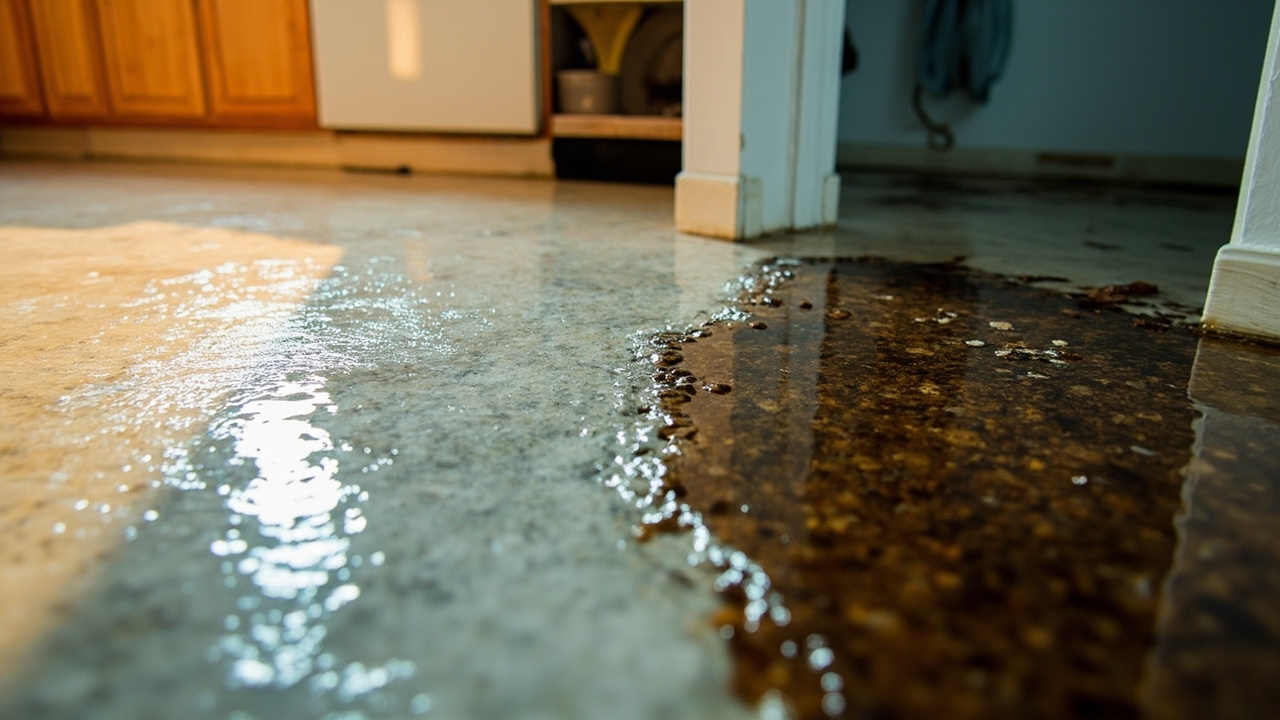
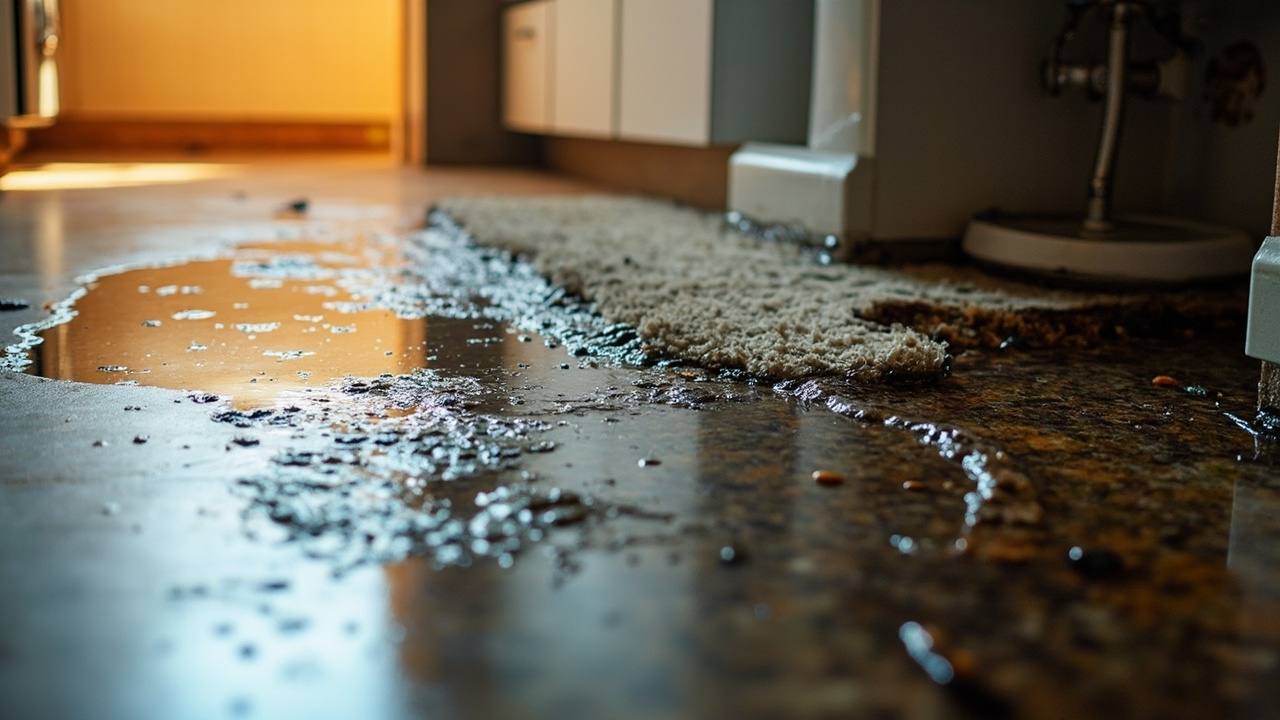
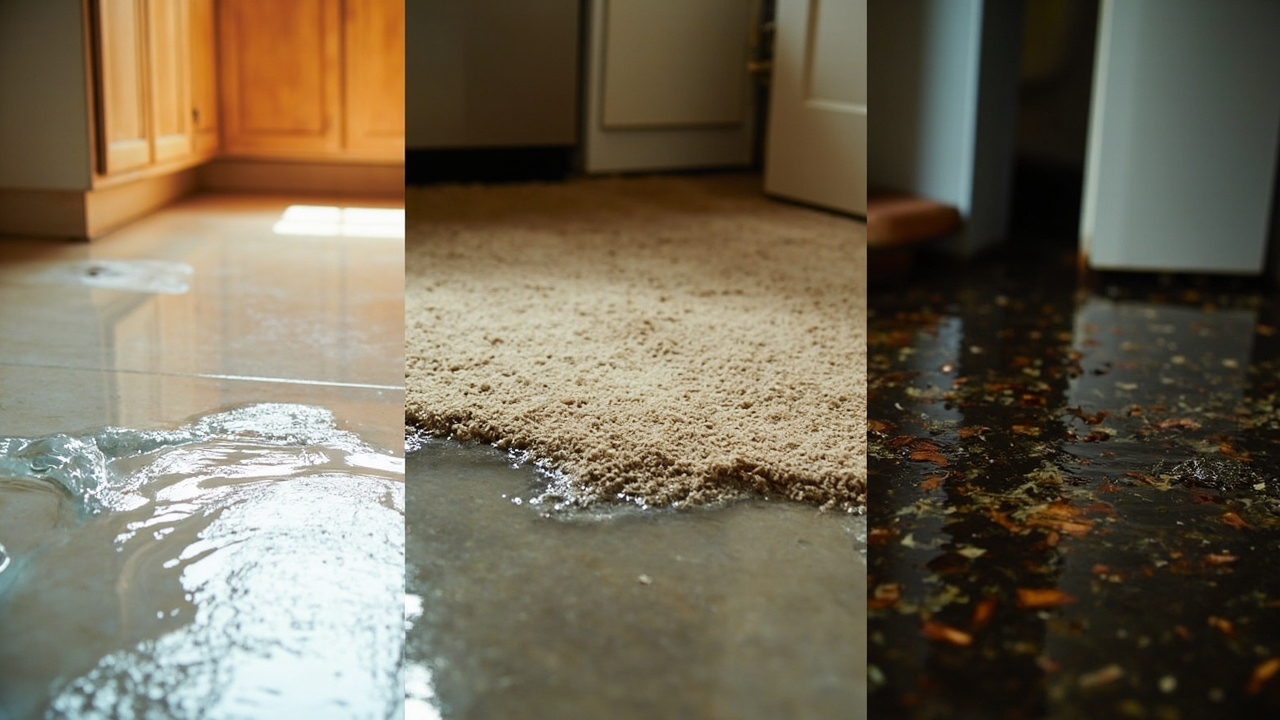
Virginia Beach sits at sea level with a water table 18 to 36 inches below ground surface in most residential areas. When Category 1 water from a supply line break saturates soil around your foundation, it mixes with groundwater containing organic material, salts, and bacteria. This elevates clean water to Category 2 as it wicks back into your crawl space or basement. Our coastal storms create another escalation path. Hurricane storm surge and nor'easter flooding push Chesapeake Bay water inland, mixing with sewage system overflows and creating widespread Category 3 contamination. Properties in Chic's Beach, Croatan, and neighborhoods near the Lynnhaven River system face this risk annually. We account for these local contamination pathways when classifying water damage.
Virginia Beach's building codes and flood zone requirements create specific challenges for water damage restoration. Properties in AE flood zones require elevation certificates and flood vents, but these vents allow Category 3 floodwater to enter crawl spaces during coastal storms. The Virginia Uniform Statewide Building Code mandates specific antimicrobial treatments for water damage in flood-prone areas, and local inspectors verify compliance before issuing certificates of occupancy after major restoration work. We maintain relationships with Virginia Beach Building and Neighborhood Services to ensure our water contamination protocols meet local enforcement standards. This protects your property value and ensures work passes inspection if you sell within required disclosure periods.