




Menu

Signs of Hidden Mold in Virginia Beach – Expert Detection Guides to Protect Your Health and Property

Comprehensive resources to help Virginia Beach homeowners and property managers identify symptoms of concealed mold, understand evidence of unseen mold growth, and take action before structural damage or health problems escalate.

Slider Image 1
Slider Image 2
Slider Image 3
Slider Image 4
Slider Image 5
Slider Image 7
Slider Image 8
Slider Image 9
Slider Image 10
Slider Image 11

Why Hidden Mold Thrives in Virginia Beach Properties

Virginia Beach sits in a humid subtropical zone where average relative humidity hovers near 75 percent year-round. The Atlantic Ocean moderates temperatures but pumps moisture into every structure within ten miles of the coast. Add sudden summer thunderstorms, hurricane remnants, and slow-draining clay-heavy soil, and you create perfect conditions for concealed mold colonies.

Most homeowners notice a musty odor or see surface spots. Those are late-stage indicators. The real danger hides behind drywall, under laminate flooring, and inside HVAC ducts. Water from roof leaks, plumbing failures, or condensation drips slowly accumulates in wall cavities. You do not see it. Mold does not care. It feeds on cellulose, multiplies in darkness, and releases spores into your breathing air.

Virginia Beach has a high concentration of mid-century ranch homes and newer coastal construction. Both styles suffer from common vulnerabilities. Older homes often lack vapor barriers. Newer builds use engineered lumber that absorbs moisture faster than solid wood. When a pipe leaks or storm water seeps through a foundation crack, the framing stays damp long enough for Stachybotrys, Aspergillus, or Penicillium strains to colonize.

Detecting hidden mold requires more than a visual inspection. You need to recognize early symptoms like persistent sinus irritation, worsening asthma, or unexplained fatigue. These health signals often appear before you find evidence of unseen mold on surfaces. Residents near Chesapeake Bay or the Oceanfront deal with salt-laden air that corrodes metal fasteners and creates micro-leaks. Those leaks feed mold you cannot see until the drywall crumbles.

Why Hidden Mold Thrives in Virginia Beach Properties

How to Identify Indicators of Invisible Mold in Your Property

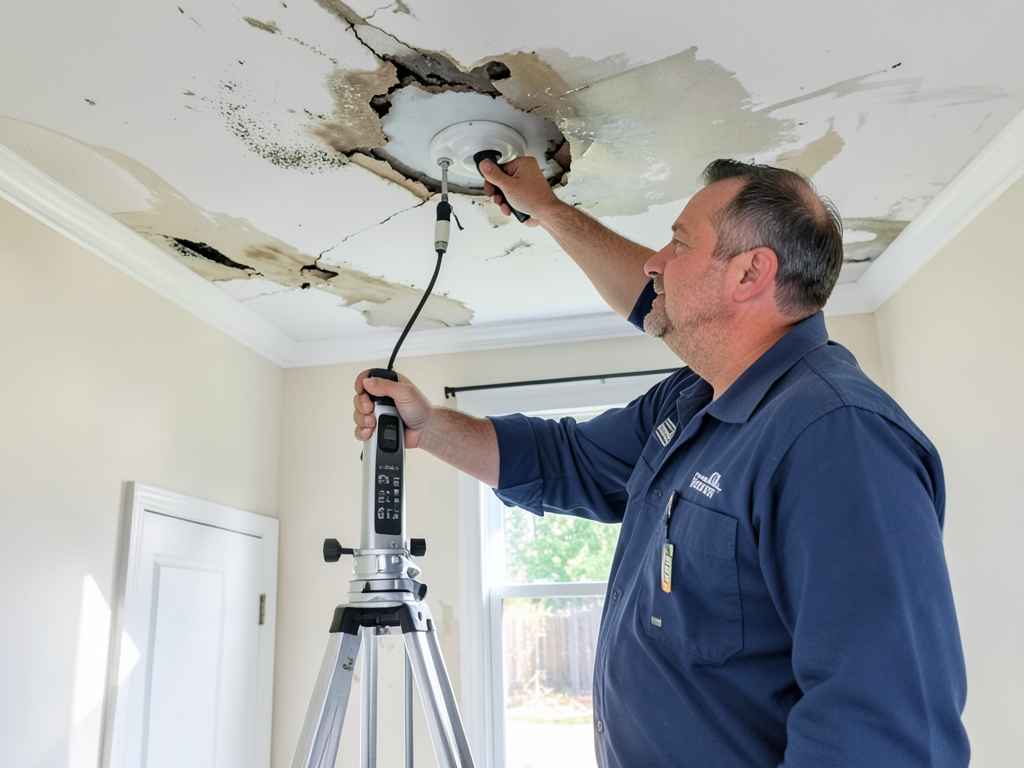
Mold inspection starts with a moisture audit. You need a calibrated moisture meter to measure water content inside building materials. Surface readings mean nothing. Mold grows inside the substrate. Professional-grade pinless meters scan through drywall without puncturing surfaces. Elevated readings above 17 percent signal active moisture problems and probable fungal growth.

Next, examine your HVAC system. Pull the air handler access panel and inspect the evaporator coil and drain pan. Look for black streaks, biofilm, or standing water. If your ductwork runs through an unconditioned attic, condensation forms on cold metal surfaces during humid months. That moisture drips onto insulation and ceiling joists. You smell the result but never see the source.

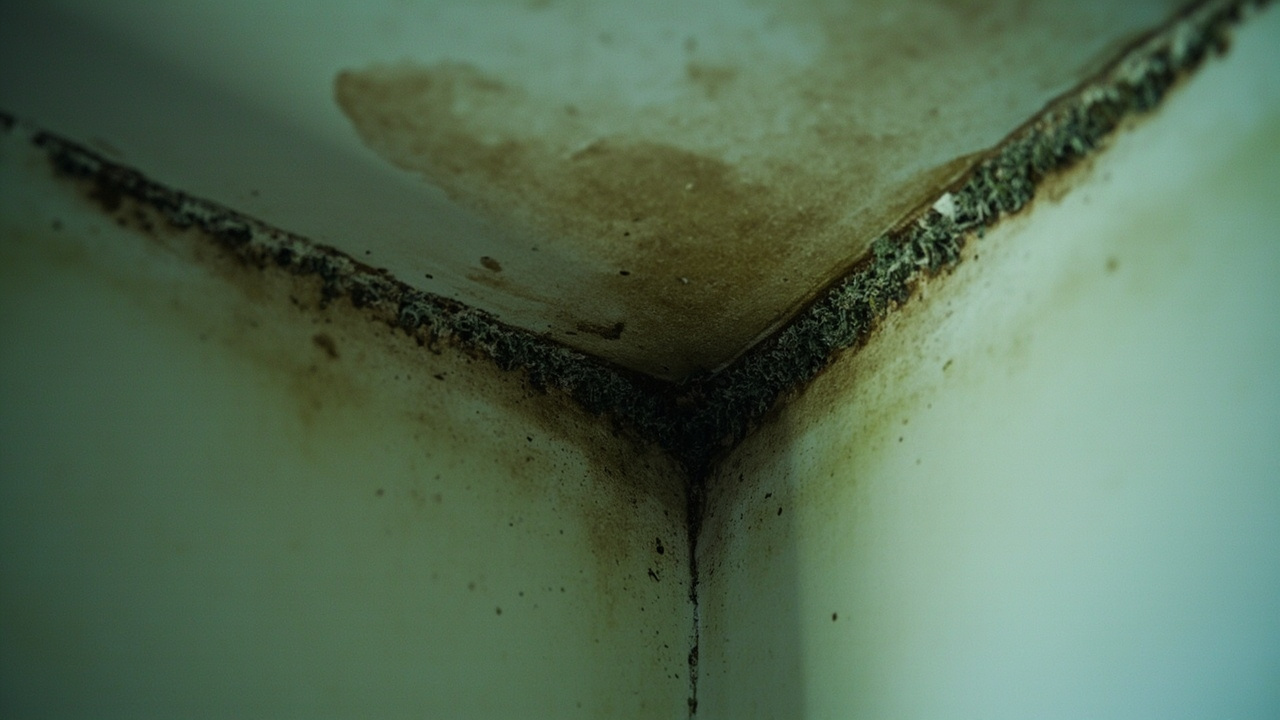
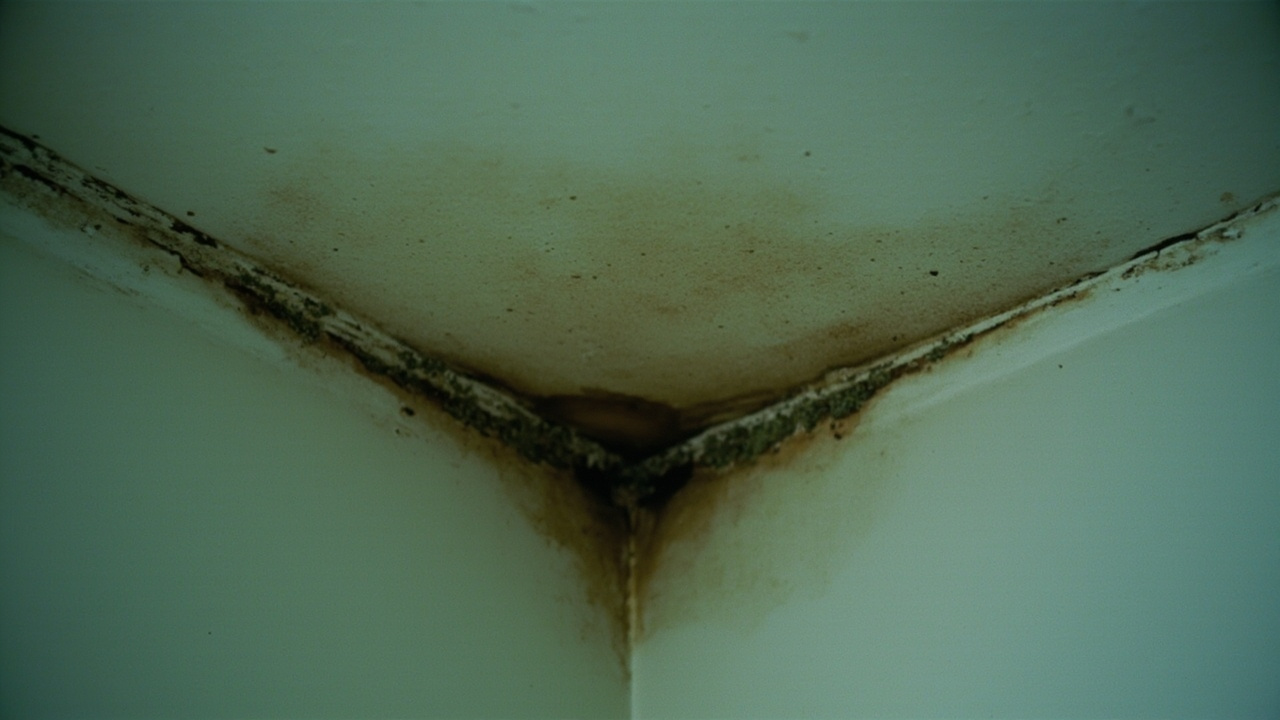
Check common failure points. Inspect the base of exterior walls where siding meets the foundation. Look for water stains, efflorescence, or soft spots. In bathrooms, press tiles near the tub surround. If they move, grout has failed and water has penetrated the substrate. Mold thrives in that damp cement board.

Thermal imaging cameras reveal temperature differentials that indicate wet insulation or active leaks. A cold spot on an interior wall during summer suggests trapped moisture evaporating behind the drywall. You cannot see it, but the camera shows a clear thermal signature.

Air sampling provides quantitative data. A spore trap collects airborne particles, and lab analysis identifies species and concentration levels. Elevated counts of Stachybotrys or Chaetomium confirm hidden reservoirs even when you find no visible growth.

Apex Water Damage Restoration Virginia Beach uses all these methods during mold investigations. We correlate moisture readings, thermal images, and lab results to pinpoint concealed colonies. We do not guess. We measure, document, and identify the exact location and extent of contamination before we propose remediation.

What Happens During a Professional Mold Assessment

Signs of Hidden Mold in Virginia Beach – Expert Detection Guides to Protect Your Health and Property
01

Initial Consultation and Symptoms Review

We start with a detailed discussion of your health symptoms, odor complaints, and visible water damage history. You tell us when problems began and which rooms feel worst. This conversation narrows the search zone. We review past flooding events, roof leaks, or plumbing failures. Many homeowners discover that a bathroom repair six months ago created the perfect moisture trap for hidden mold colonies.
02

Multi-Method Inspection and Testing

We deploy moisture meters, thermal cameras, and air sampling pumps across your property. We measure humidity in wall cavities, scan for thermal anomalies, and collect spore samples. We remove outlet covers to inspect inside walls. We check crawlspaces, attics, and HVAC plenums. Every data point feeds into a complete moisture and contamination map. This process takes two to four hours depending on property size and complexity.
03

Reporting and Action Plan

You receive a written report with moisture readings, thermal images, lab results, and photos of problem areas. We explain which mold species we found, where colonies are growing, and what caused the moisture intrusion. We outline remediation steps, estimated timelines, and prevention strategies. You get a clear roadmap to eliminate hidden mold and prevent recurrence. No guesswork. No generic recommendations. Just actionable intelligence.

Why Virginia Beach Property Owners Trust Apex Water Damage Restoration

Virginia Beach enforces the Virginia Uniform Statewide Building Code, which mandates specific ventilation and moisture control standards. Many contractors do not understand how these codes interact with coastal humidity and soil conditions. We do. We have assessed hundreds of properties from Sandbridge to the Oceanfront. We know how salt air corrodes flashing, how clay soil shifts foundation walls, and how hurricane-force winds drive water through brick veneer.

Local building stock presents unique challenges. The city saw massive development in the 1960s and 1970s. Those homes have crawlspaces with inadequate vapor barriers and HVAC systems that pull humid outside air into conditioned spaces. Newer construction uses spray foam insulation that traps moisture if installed incorrectly. We have seen both problems create perfect environments for concealed mold growth.

We use third-party certified laboratories for spore analysis. You get objective data, not inflated scare tactics. If we find Cladosporium at normal outdoor levels, we tell you. If we detect Stachybotrys chartarum at 10,000 spores per cubic meter, we explain the health risk and recommend immediate remediation. Transparency matters. You make informed decisions based on facts.

Our technicians complete IICRC Applied Microbial Remediation training and understand EPA protocols. We follow the ANSI/IICRC S520 Standard for mold remediation. We establish containment barriers, maintain negative air pressure, and dispose of contaminated materials according to Virginia Department of Health regulations. We do not cut corners. We do not over-promise. We deliver professional-grade service that protects your health and property value.

Apex Water Damage Restoration Virginia Beach operates 24/7 because mold does not wait for business hours. When you find evidence of unseen mold, you need answers immediately. We provide same-day assessments and start remediation within 48 hours. Speed matters. Every day of delay allows more spore spread and structural damage.

What to Expect During Your Mold Assessment

Response Time and Availability

We schedule assessments within 24 hours of your call. Emergency situations get same-day service. Most inspections take two to four hours. We work around your schedule, including evenings and weekends. You do not wait days for answers while mold spreads. We arrive with all necessary equipment: moisture meters, thermal cameras, air sampling pumps, and protective gear. You get a complete evaluation in one visit. Follow-up visits only happen if we need to access sealed wall cavities or coordinate with other trades.

Assessment Process and Communication

We explain each step as we work. You see real-time moisture readings and thermal images. We point out problem areas and explain what the data means. You understand why we recommend certain tests or further investigation. No mystery. No jargon without explanation. You receive a written report within 48 hours that includes photos, lab results, and a prioritized action plan. We follow up with a phone call to review findings and answer questions. You never feel confused or pressured.

Quality of Findings and Recommendations

Our reports identify mold species, concentration levels, and moisture sources. We distinguish between normal outdoor spore levels and problematic indoor contamination. We document every finding with photos and measurements. You get specific recommendations: repair this flashing, replace that insulation, improve ventilation here. We estimate remediation costs and timelines. If your problem does not require professional remediation, we tell you. If it does, we explain exactly what the work involves and why it costs what it costs. Transparency builds trust.

Post-Remediation Verification

After remediation, we conduct clearance testing. We re-sample the air to verify spore counts have returned to normal levels. We measure moisture content in previously affected materials. We document that the problem is resolved. You receive a final report suitable for real estate transactions, insurance claims, or your own peace of mind. We provide maintenance recommendations to prevent recurrence. Many clients schedule annual moisture audits to catch problems early. We offer discounted follow-up inspections because prevention costs less than remediation.

Frequently Asked Questions

You Have Questions,
We Have Answers

How do I tell if my house has hidden mold? +

Look for musty odors, especially in crawl spaces, attics, or after storms blow moisture into Virginia Beach homes. Check for water stains on ceilings or walls, peeling paint, and warped baseboards. High humidity above 60 percent signals risk. Listen for your HVAC system running constantly, which can indicate moisture problems. Watch for allergy symptoms that worsen indoors. Inspect behind washing machines, under sinks, and around window frames. Virginia Beach's coastal climate creates ideal mold conditions, so any past water damage from hurricanes or flooding requires professional inspection even if surfaces look dry.

What are signs of mold sickness? +

Mold sickness triggers respiratory issues like persistent coughing, wheezing, and sinus congestion. You might experience headaches, fatigue, and difficulty concentrating. Skin rashes or itchy eyes are common. Some people develop throat irritation or postnasal drip. Symptoms worsen when you are home and improve when you leave. Children and those with asthma react more severely. Virginia Beach residents often mistake mold symptoms for seasonal allergies due to coastal pollen. If multiple family members feel sick without other explanation, hidden mold is likely. Chronic exposure can lead to more serious respiratory complications requiring medical attention.

Can mold make a baby cough? +

Yes. Mold spores irritate infant airways, causing persistent coughing, especially at night. Babies breathe faster than adults, inhaling more spores relative to body size. You might notice wheezing, congestion, or difficulty breathing. Infants cannot communicate discomfort, so watch for irritability and sleep disruption. Virginia Beach's humidity exacerbates mold growth in nurseries and crawl spaces below bedrooms. If your baby's cough persists beyond typical cold duration or worsens at home, inspect for water damage around windows and in attics. Mold exposure in infancy can increase asthma risk later, making immediate professional assessment critical.

Can mold cause twitching? +

Mold exposure can trigger neurological symptoms, including muscle twitching. Mycotoxins from certain mold species affect the nervous system, causing involuntary movements, tremors, or spasms. You might also experience brain fog, dizziness, or numbness. These symptoms indicate significant exposure requiring immediate action. Virginia Beach homes with past flooding or chronic humidity issues risk toxic mold growth. If twitching coincides with other mold symptoms like respiratory problems or fatigue, professional testing is essential. Medical evaluation should accompany mold remediation. Not all mold causes neurological effects, but black mold and certain species produce toxins affecting nervous system function.

Can I test for mold in the air myself? +

DIY mold test kits exist, but they provide limited accuracy. Store-bought spore traps capture airborne mold but cannot identify species or concentration levels. All homes contain some mold spores, so positive results lack context. Professional testing uses calibrated equipment and laboratory analysis to determine hazardous levels. Virginia Beach's coastal air naturally contains higher spore counts, making interpretation difficult without baseline data. DIY tests miss hidden growth in walls or crawl spaces. If you suspect mold, professional inspection with moisture mapping and targeted sampling provides actionable information. Spend money on proper assessment rather than unreliable home kits.

How do you get rid of mold that you can't see? +

Hidden mold requires source moisture elimination first. Professionals use thermal imaging and moisture meters to locate growth inside walls, under flooring, or in ceiling cavities. Containment prevents spore spread during removal. HEPA filtration captures airborne particles. Affected materials like drywall or insulation get removed and replaced. Antimicrobial treatments address remaining spores. Virginia Beach homes often hide mold in crawl spaces where humidity concentrates. You cannot spray visible surfaces and assume hidden mold dies. Encapsulation without removal traps moisture and allows regrowth. Professional remediation includes structural drying, which prevents recurrence in coastal climates.

What kills mold permanently? +

Nothing kills mold permanently if moisture remains. Remove the water source first. Effective treatments include HEPA vacuuming, antimicrobial solutions, and complete material removal for porous surfaces like drywall. Bleach only works on non-porous surfaces and does not penetrate wood or insulation. Concrobium and botanical cleaners provide safer alternatives. Virginia Beach's humidity requires dehumidification and ventilation improvements to prevent regrowth. Professional remediation combines physical removal, air scrubbing, and moisture control. Killing surface mold without addressing humidity or leaks guarantees return growth within weeks. Focus on environmental control, not just chemical treatment.

How do I test my house for mold? +

Start with visual inspection of moisture-prone areas like crawl spaces, attics, bathrooms, and around HVAC systems. Look for discoloration, stains, or musty odors. Professional testing includes air sampling, surface sampling, and moisture mapping. Thermal imaging reveals hidden water intrusion. Laboratory analysis identifies mold species and concentration levels. Virginia Beach homes benefit from crawl space inspection due to coastal groundwater issues. Testing costs less than remediation, so verify problems before major work. If you have health symptoms or past water damage from storms, professional assessment outweighs DIY methods. Accurate testing guides effective remediation strategy.

Can air purifiers remove mold spores? +

Air purifiers with HEPA filters capture mold spores but do not eliminate the source. They reduce airborne concentration, providing temporary symptom relief. Purifiers work best in contained spaces like bedrooms. They cannot remove mold growing inside walls or crawl spaces. Virginia Beach residents use purifiers during remediation to minimize exposure, but they are not a solution. Without moisture control and physical mold removal, spores regenerate faster than purifiers remove them. Think of purifiers as symptom management, not cure. Effective mold control requires source elimination, structural drying, and humidity reduction below 50 percent year-round.

How do I tell if mold is in my lungs? +

You cannot self-diagnose mold in lungs. Medical testing like chest X-rays, CT scans, or sputum cultures identifies fungal infection. Symptoms include persistent cough producing dark mucus, shortness of breath, fever, and chest pain. Aspergillosis, a lung infection from mold, affects immunocompromised individuals most severely. If you have chronic respiratory symptoms and known mold exposure in your Virginia Beach home, see a pulmonologist. Blood tests detect mold antibodies indicating immune response. Lung mold requires medical treatment alongside home remediation. Do not assume lung problems stem from mold without professional diagnosis, but do not ignore symptoms either.

How Virginia Beach's Coastal Climate Accelerates Hidden Mold Growth

Virginia Beach averages 46 inches of rain per year and sits within 15 miles of the Atlantic Ocean for most of its residential areas. The combination creates persistent humidity that rarely drops below 65 percent even with air conditioning. Homes near Lynnhaven Inlet, Rudee Inlet, or the Chesapeake Bay face salt-laden air that corrodes metal fasteners and creates pinhole leaks in copper plumbing. These micro-failures drip water into wall cavities where it saturates insulation and feeds mold colonies. The temperature rarely freezes, so fungal growth continues year-round. Unlike northern climates where winter cold halts biological activity, Virginia Beach mold thrives in mild winters and humid summers. This makes detecting hidden mold critical before minor moisture problems become structural disasters.

Virginia Beach building codes require specific vapor barrier installations and crawlspace ventilation standards, but many older homes predate these requirements. Apex Water Damage Restoration Virginia Beach understands how local construction methods interact with coastal humidity. We know which neighborhoods have high water tables, where storm surge floods crawlspaces, and how hurricane winds drive rain through brick veneer. This knowledge matters when diagnosing moisture sources and recommending permanent solutions. We work with local insurance adjusters who understand regional claim patterns. We coordinate with licensed contractors who follow Virginia building codes. Choosing a local specialist means you get someone who has seen your exact problem in hundreds of Virginia Beach homes and knows the correct fix.


Water Damage Services in The Virginia Beach Area

We are proud to serve the entire Virginia Beach area and surrounding communities. Our centrally located office allows us to provide a quick response to any water damage emergency. View our location on the map to see our service area, or simply give us a call and we'll dispatch a certified team to your location right away, ready to assist with your restoration needs.

Address:
Apex Water Damage Restoration Virginia Beach, 138 S Rosemont Rd, Virginia Beach, VA, 23452

Additional Services We Offer

Our news updates

Latest Articles & News from The Blogs

Water Damage Protocols for Medical Offices and Clinics in the Princess Anne Area When water damage strikes a medical office…

Water Damage Protocols for Medical Offices and Clinics in the Princess Anne Area

Water Damage Protocols for Medical Offices and Clinics in the Princess Anne Area When water damage strikes a medical office…

How Balcony Drainage Issues Cause Interior Water Damage for Oceanfront Condo Owners

How Balcony Drainage Issues Cause Interior Water Damage for Oceanfront Condo Owners \n\n Oceanfront condo owners in Virginia Beach face…

Breaking Your Lease Over Unresolved Water Damage (A Guide for Virginia Beach Renters)

Breaking Your Lease Over Unresolved Water Damage (A Guide for Virginia Beach Renters) Living with unresolved water damage in your…

Contact Us

Hidden mold damages your property and health while you wait. Call Apex Water Damage Restoration Virginia Beach at (757) 909-5033 for a professional assessment. We provide same-day service, objective lab testing, and actionable solutions. Stop guessing. Get answers.