




Menu

Preventative Waterproofing Tips in Virginia Beach | Protect Your Home Before Water Damage Strikes

Learn proven preventative waterproofing tips specifically designed for Virginia Beach's coastal climate, high water table, and hurricane risk to stop water intrusion before it starts and save thousands in emergency restoration costs.

Slider Image 1
Slider Image 2
Slider Image 3
Slider Image 4
Slider Image 5
Slider Image 7
Slider Image 8
Slider Image 9
Slider Image 10
Slider Image 11

Why Virginia Beach Homes Need Proactive Water Defense

Virginia Beach sits at the intersection of the Atlantic Ocean and the Chesapeake Bay, creating a perfect storm for water intrusion. The high water table in neighborhoods like Kempsville and Oceanfront means groundwater sits just below your foundation. Add in hurricane season from June through November, and you face wind-driven rain that finds every gap in your building envelope.

The coastal humidity averages 75 percent year-round. This constant moisture stress accelerates sealant degradation and creates hydrostatic pressure against foundation walls. When nor'easters push storm surge inland, crawl spaces in low-lying areas like Great Neck flood within hours.

Salt air corrodes flashing and penetrates microscopic cracks in masonry. The freeze-thaw cycles that hit Virginia Beach in January and February expand those cracks wider each winter. By the time you see a water stain, the structural damage has already started.

Preventative waterproofing tips focus on identifying vulnerable points before water enters. This proactive approach saves you from mold remediation, drywall replacement, and foundation repairs. A water damage prevention checklist tailored to coastal conditions stops problems at the source. DIY waterproofing techniques work for maintenance, but knowing when to call professionals protects your investment. Home waterproofing maintenance guide strategies must account for Virginia Beach's unique geography. The homes near Linkhorn Bay face different challenges than properties in Sandbridge, and your moisture control best practices need to reflect that reality.

Why Virginia Beach Homes Need Proactive Water Defense
The Five-Point Water Defense System

The Five-Point Water Defense System

Effective preventative waterproofing starts with understanding how water moves. Gravity pulls it down, capillary action draws it up through porous materials, and wind pressure forces it sideways through openings. You need to control all three vectors.

Start with grading. Your soil should slope away from the foundation at a minimum six percent grade for the first ten feet. In Virginia Beach's sandy loam soil, settling happens fast. Check grades annually and add fill where depressions form near the foundation. Poor grading sends rainwater straight into your crawl space.

Gutter systems move thousands of gallons away from your home during heavy rain. Clean gutters quarterly because pine needles and oak leaves clog downspouts fast in wooded neighborhoods like Red Mill. Extend downspouts at least eight feet from the foundation. Those flexible extensions work, but rigid PVC buried underground works better in high-wind areas.

Foundation waterproofing means applying a rubberized membrane to exterior walls. This creates a continuous barrier against hydrostatic pressure. Interior waterproofing uses drainage planes and sump pumps to manage water that penetrates. Both have roles. Exterior protection stops water before it touches concrete. Interior systems handle breakthrough and rising water tables.

Vapor barriers in crawl spaces block moisture rising from the ground. Use six-mil polyethylene at minimum, but 10-mil reinforced material lasts longer. Seal seams with waterproof tape and run the barrier up foundation walls. Combine this with a dehumidifier set to 50 percent relative humidity to control moisture year-round.

Window and door flashing prevents wind-driven rain from entering wall cavities. Check flashing annually for gaps, especially around older windows common in Historic Cavalier Shores. Proactive water sealing methods include replacing degraded caulk around penetrations and applying polyurethane sealant to crack-prone areas.

How to Build Your Annual Waterproofing Inspection Routine

Preventative Waterproofing Tips in Virginia Beach | Protect Your Home Before Water Damage Strikes
01

Exterior Envelope Assessment

Walk your property after a heavy rain to identify drainage problems and active leaks. Check foundation walls for efflorescence, the white chalky residue that signals water movement through concrete. Inspect roof valleys, chimney flashing, and any roof penetrations for gaps or deterioration. Look for soil erosion patterns that indicate poor grading. Document problem areas with photos and prioritize repairs based on severity and proximity to living spaces.
02

Interior Moisture Mapping

Use a moisture meter to test drywall and subflooring in vulnerable areas like bathrooms, kitchens, and exterior walls. Normal readings stay below 12 percent. Anything above 15 percent indicates active moisture intrusion. Check crawl spaces and basements for standing water, condensation on HVAC ducts, and musty odors. Test humidity levels with a hygrometer. Readings consistently above 60 percent promote mold growth and require immediate intervention through ventilation or dehumidification.
03

Preventative Maintenance Execution

Create a seasonal maintenance schedule. Spring means cleaning gutters and checking sump pump operation before hurricane season. Summer involves inspecting and resealing windows and doors. Fall requires clearing drainage paths and testing backup power for sump pumps. Winter focuses on attic ventilation to prevent ice dams and condensation. Keep a written log of all inspections and repairs. This documentation helps you track recurring issues and proves maintenance history if insurance claims arise.

Why Local Expertise Matters for Coastal Waterproofing

Virginia Beach waterproofing demands knowledge of regional building practices and coastal construction challenges. Homes built in the 1960s and 1970s around Lynnhaven often lack proper vapor barriers because building codes evolved after construction. The flood zone maps changed significantly after Hurricane Isabel in 2003, putting homes that were previously safe into high-risk categories.

Apex Water Damage Restoration Virginia Beach works exclusively in this coastal environment. We understand how saltwater intrusion affects concrete differently than freshwater. We know which neighborhoods have high water tables and which areas experience the worst wind-driven rain during nor'easters. This local knowledge informs every recommendation we make.

Generic waterproofing advice from national websites does not account for Virginia Beach's specific conditions. The moisture control best practices that work in Arizona fail here because our humidity never drops below 60 percent. The foundation waterproofing methods designed for clay soil do not address our sandy substrates that shift and settle.

We have mapped common failure points in local architecture. The split-level homes popular in Lake Smith Terrace develop basement leaks at the junction between the upper and lower foundation walls. The slab-on-grade construction in newer Pungo subdivisions requires different waterproofing approaches than the raised foundations in older Chesapeake Beach neighborhoods.

Our technicians train on coastal construction methods and local building codes. We work with the same building inspectors you will face if you need permits for major waterproofing projects. We maintain relationships with local suppliers who stock materials rated for saltwater exposure. When you call us at (757) 909-5033, you reach someone who knows your neighborhood and has probably worked on homes just like yours within the past month.

What to Expect from Professional Waterproofing Services

Response and Assessment Timeline

We schedule preventative assessments within 48 hours of your call. Emergency water intrusion gets same-day response because coastal flooding escalates quickly. The initial inspection takes 90 minutes to two hours depending on property size. We test moisture levels in multiple locations, inspect crawl spaces and attics, photograph vulnerable areas, and map drainage patterns around your foundation. You receive a written assessment within 24 hours that prioritizes risks and outlines recommended solutions. This report includes moisture readings, photos, and specific repair recommendations with explanations of why each matters for your property.

Comprehensive Property Evaluation

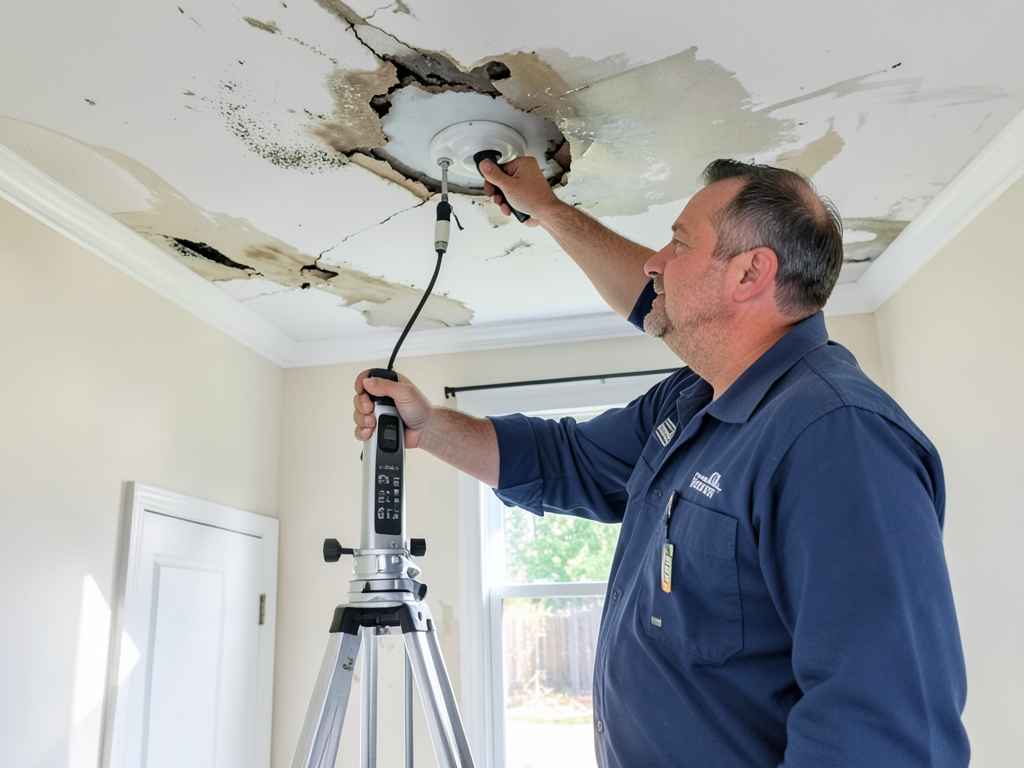
Our assessment covers every potential water entry point. We inspect roof flashing, chimney caps, and vent boots for deterioration. We check window and door seals for gaps. We evaluate grading and drainage around the foundation. We test sump pumps and examine crawl space vapor barriers. We look for signs of previous water damage that indicate recurring problems. We use thermal imaging cameras to detect hidden moisture in walls and ceilings. We measure crawl space humidity and check for condensation on HVAC ductwork. This thorough evaluation identifies problems you cannot see from casual observation and catches issues before they escalate.

Customized Protection Strategy

Every property gets a customized waterproofing plan based on its specific vulnerabilities. We do not sell one-size-fits-all solutions. A home in the Coastal Floodplain needs different protection than a property on higher ground in Princess Anne. We explain each recommendation in plain language and break projects into priority levels. Critical repairs that pose immediate risk come first. Preventative measures that extend system life come next. Nice-to-have upgrades come last. You control the timeline and budget. We provide the expertise to make informed decisions about protecting your home.

Ongoing Maintenance Support

Waterproofing requires ongoing attention in coastal environments. We offer annual inspection services to catch problems early. We provide written maintenance schedules customized to your property. We keep detailed records of all work performed so you have documentation for insurance purposes and future property sales. We offer emergency service when storms cause unexpected water intrusion. Our goal is to build a long-term relationship where we help you maintain your investment year after year. One call to (757) 909-5033 gets you the same technician who knows your property history and can respond quickly when problems arise.

Frequently Asked Questions

You Have Questions,
We Have Answers

What to do before applying waterproofing? +

Before applying waterproofing, inspect all surfaces for cracks, gaps, or structural damage. Clean the area thoroughly to remove dirt, efflorescence, and loose debris that prevent proper adhesion. In Virginia Beach, check for salt deposits on exterior walls from coastal air, as these affect bonding. Repair any foundation cracks or mortar joints first. Test moisture levels using a moisture meter to confirm surfaces are dry enough for application. Address drainage issues by ensuring gutters direct water away from the foundation. Prep work determines waterproofing success, so skip nothing.

What are common waterproofing mistakes? +

Common mistakes include applying waterproofing to wet or dirty surfaces, which prevents adhesion. Many homeowners skip crack repair, allowing water to bypass the coating entirely. Using interior products on exterior foundations is another failure point. In Virginia Beach, ignoring high water tables leads to hydrostatic pressure that overwhelms surface treatments. Applying too thin a coat or missing corners and seams creates weak spots. Not addressing gutters and grading means water still pools against foundations. Choosing the wrong product for your specific foundation material guarantees premature failure.

Should you prime before waterproofing? +

Yes, priming before waterproofing improves adhesion and coverage, especially on porous surfaces like concrete block or brick. Primer seals the substrate, preventing the waterproofing membrane from soaking in unevenly. In Virginia Beach, where humidity stays high year-round, primer helps create a uniform base on damp-prone surfaces. It also reduces the number of finish coats needed. Use a primer compatible with your waterproofing product. Skip this step only if the manufacturer explicitly states the product is self-priming. Proper prep saves money and extends waterproofing lifespan.

How much does it cost to waterproof a 1000 sq ft basement? +

Waterproofing a 1000 square foot basement varies widely based on method and severity. Exterior excavation and membrane installation costs significantly more than interior sealants or drainage systems. Virginia Beach homeowners face additional costs if high water tables require sump pump installation or French drain systems. Material choice matters. Epoxy coatings run cheaper than bentonite clay or rubberized membranes. DIY interior sealants are the budget option but do not address external hydrostatic pressure. For accurate pricing specific to your foundation type and water intrusion severity, get multiple local estimates.

What are the four steps to waterproofing? +

The four steps to waterproofing start with surface preparation. Clean and repair all cracks, holes, and damaged areas. Second, apply primer if required by your product. Third, install the waterproofing membrane or coating in multiple thin layers, covering all seams and transitions completely. Fourth, add drainage improvements like grading adjustments or gutter extensions to direct water away from the foundation. In Virginia Beach, this final step is critical due to intense rain events and sandy soil that shifts water unpredictably. Waterproofing only works when combined with proper drainage.

What does Coca-Cola do for concrete? +

Coca-Cola removes rust stains and efflorescence from concrete due to its phosphoric acid content. It dissolves mineral deposits and light surface corrosion, making prep easier before waterproofing. In Virginia Beach, coastal moisture causes frequent efflorescence on foundation walls. Pour Coca-Cola on the stain, let it sit for several hours, then scrub and rinse. This is a cleaning trick, not a waterproofing method. It helps prepare surfaces but does nothing to prevent future water intrusion. Use it as a prep step, then apply proper waterproofing products.

How many coats of waterproofing should I do? +

Apply two to three coats of waterproofing for adequate protection. The first coat seals the surface, the second builds thickness, and a third coat ensures complete coverage without pinholes. Wait for each coat to dry completely before adding the next. In Virginia Beach, high humidity extends drying times, so plan for longer cure periods between coats. Follow manufacturer guidelines for your specific product, as some require minimum dry film thickness measured in mils. Corners, seams, and transitions need extra attention. Thin single coats always fail prematurely.

What is the negative side of waterproofing? +

The negative side of waterproofing refers to applying protection on the side opposite water pressure. Positive side waterproofing goes on the exterior where water hits first. Negative side, applied inside basements, fights hydrostatic pressure pushing inward. It works for minor moisture but fails under heavy water pressure. In Virginia Beach, where seasonal water tables rise and nor'easters dump heavy rain, negative side applications only buy time. They are cheaper and easier but do not stop water at the source. Use them as temporary fixes, not permanent solutions.

What causes waterproofing to fail? +

Waterproofing fails when water finds paths around or through the barrier. Poor surface prep prevents adhesion, causing membranes to peel or bubble. Unrepaired cracks allow water to bypass coatings entirely. In Virginia Beach, hydrostatic pressure from high water tables pushes water through weak spots in negative side applications. Freeze-thaw cycles crack rigid coatings. Using interior products on exterior walls leads to UV breakdown and weathering. Ignoring drainage means constant water exposure overwhelms even quality products. Failure is almost always installation error or wrong product selection.

What is the best time to do water waterproofing? +

The best time for exterior waterproofing in Virginia Beach is late spring through early fall when temperatures stay between 50 and 85 degrees and rain is less frequent. Avoid winter when freeze-thaw cycles interfere with curing. Summer humidity extends drying times but is manageable. For interior waterproofing, any season works since you control the environment. Schedule exterior work between hurricane season gaps. Products need dry conditions for 24 to 48 hours after application. Check extended forecasts and avoid waterproofing before predicted storms. Proper timing ensures products cure completely.

How Virginia Beach's High Water Table Demands Year-Round Waterproofing Vigilance

The Atlantic Ocean sits less than a mile from most Virginia Beach properties. The Chesapeake Bay borders the northern edge of the city. This geography creates a water table that ranges from two to six feet below ground surface depending on elevation and season. Heavy rain raises the water table within hours, creating hydrostatic pressure that forces water through foundation cracks and up through slab joints. King tides and storm surge push saltwater inland, flooding crawl spaces in low-lying neighborhoods. The combination of high humidity, frequent rain, and proximity to sea level means water constantly threatens your foundation. Proactive water sealing methods and moisture control best practices must account for this persistent pressure that never stops.

Virginia Beach enforces strict building codes for new construction in flood zones, but thousands of homes were built before these standards existed. The City of Virginia Beach Building Department requires permits for significant waterproofing work that involves structural changes or electrical systems. Working with a local contractor who understands these requirements saves time and prevents code violations. Apex Water Damage Restoration Virginia Beach maintains all required licenses and works within local regulatory frameworks. We understand the Floodplain Management Ordinance and how it affects waterproofing projects. Our experience with local inspectors ensures your work passes inspection the first time. This local expertise matters when protecting your investment.


Water Damage Services in The Virginia Beach Area

We are proud to serve the entire Virginia Beach area and surrounding communities. Our centrally located office allows us to provide a quick response to any water damage emergency. View our location on the map to see our service area, or simply give us a call and we'll dispatch a certified team to your location right away, ready to assist with your restoration needs.

Address:
Apex Water Damage Restoration Virginia Beach, 138 S Rosemont Rd, Virginia Beach, VA, 23452

Additional Services We Offer

Our news updates

Latest Articles & News from The Blogs

The Unique Challenges of Drying Out Historic Plaster Walls in Older Virginia Beach Homes Water damage in Virginia Beach’s historic…

The Unique Challenges of Drying Out Historic Plaster Walls in Older Virginia Beach Homes

The Unique Challenges of Drying Out Historic Plaster Walls in Older Virginia Beach Homes Water damage in Virginia Beach’s historic…

Why Virginia Beach Homeowners Are Installing Smart Leak Detectors to Prevent Floods

Virginia Beach’s High Humidity and Coastal Flooding Risks Make Smart Leak Detectors Essential Living in Virginia Beach means dealing with…

Keeping Your Pets Safe from Contaminated Flood Water in Virginia Beach

Keeping Your Pets Safe from Contaminated Flood Water in Virginia Beach Floodwaters in Virginia Beach contain dangerous bacteria, chemicals, and…

Contact Us

Get a professional waterproofing assessment that identifies your vulnerabilities and prioritizes solutions. Call Apex Water Damage Restoration Virginia Beach at (757) 909-5033 today to schedule your inspection and start protecting your home from coastal water intrusion.