How your AC unit might be causing hidden water damage in your Lynnhaven home
When humidity levels in Virginia Beach climb above 80 percent during summer months, your air conditioning system works overtime to cool your Lynnhaven home. This constant battle against moisture creates a perfect storm for hidden water damage that many homeowners never see coming. Repairing Water Damage at Your Virginia Beach Oceanfront Property After a Storm.
Your AC unit pulls gallons of water from the air every day. In a typical Virginia Beach summer, a residential AC system can extract over 15 gallons of water daily through condensation. This water should drain safely away through your condensate line. But when that system fails, water backs up and seeps into walls, floors, and ceilings before you notice anything wrong. What Virginia Beach Town Center Condo Owners Should Do After a Leak.
The problem becomes critical in neighborhoods like Lynnhaven where homes sit close to water bodies and experience higher ambient humidity. By the time you spot a water stain on your ceiling or notice a musty smell in your living room, the damage has already spread through your home’s structure. Who to Call for Emergency Water Removal in Virginia Beach Right Now.
Understanding how your AC creates water damage helps you catch problems early. The cooling process works by pulling warm, humid air across cold evaporator coils. As air cools, water vapor condenses into liquid form. This water collects in a drain pan and flows through a condensate line to the outside. When any part of this system clogs, cracks, or freezes, water finds the path of least resistance – often through your walls and floors.. Read more about Is your HVAC system spreading mold through your Cape Henry home after a leak?.
Most AC condensate leaks start small. A partial clog in your drain line might only cause a few drops per hour to escape. But over weeks and months, those drops create thousands of dollars in structural damage. The humid Virginia Beach climate accelerates this damage by preventing proper evaporation and creating ideal conditions for mold growth within 24 to 48 hours of water exposure.
Common causes of AC condensate leaks include clogged drain lines from algae growth, cracked drain pans from age or physical damage, frozen evaporator coils from dirty filters or low refrigerant, disconnected drain lines from improper installation, and malfunctioning condensate pumps in homes where gravity drainage isn’t possible.
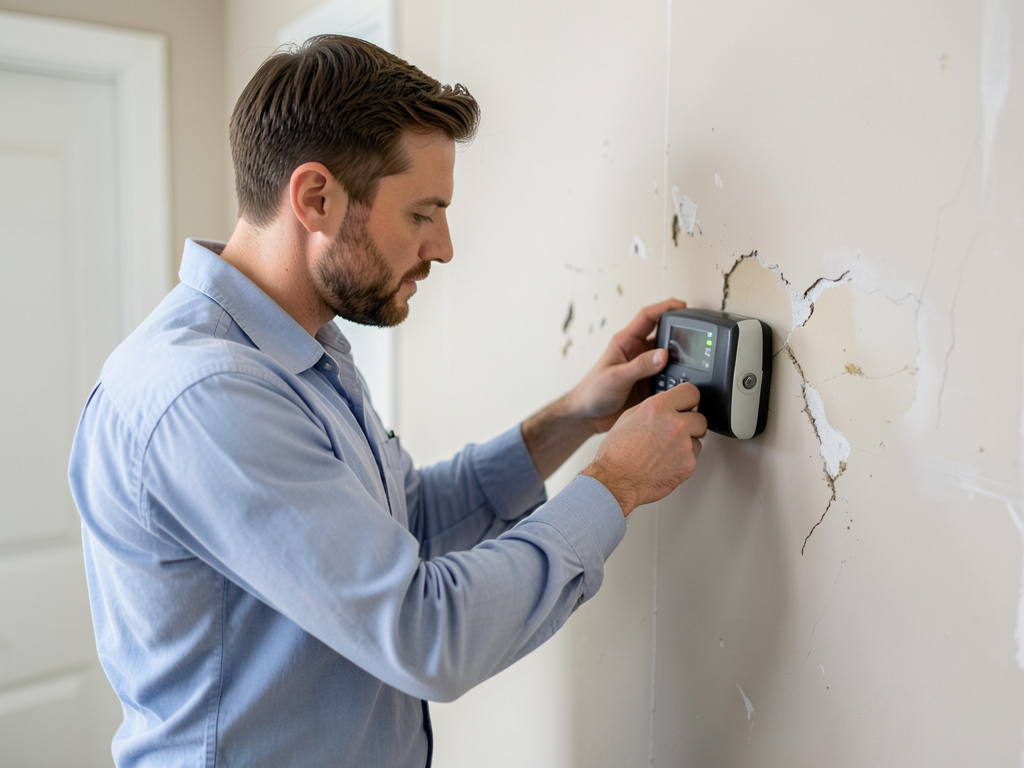
Early warning signs often go unnoticed. Musty odors in rooms near your indoor AC unit indicate mold growth from hidden moisture. Bubbling or peeling paint on walls or ceilings suggests water trapped behind surfaces. Warped hardwood floors near vents show moisture damage spreading through subflooring. Water stains on ceilings below attic-mounted units point to drain pan failures. Increased indoor humidity despite AC running signals the system isn’t properly removing moisture from the air.. Read more about Why your crawl space vents might be making your humidity problems worse in the summer.
The health risks multiply quickly in Virginia Beach’s climate. Mold spores colonize damp materials within 24 to 48 hours. Black mold, Aspergillus, and other toxic varieties thrive in the dark, humid conditions created by AC leaks. These molds release mycotoxins that can cause respiratory problems, allergic reactions, and other health issues, particularly in children, elderly individuals, and those with compromised immune systems.
Structural damage compounds the problem. Water weakens drywall, causing it to sag and crumble. It warps wood framing and subflooring, compromising your home’s structural integrity. It damages electrical systems, creating fire hazards. In Lynnhaven’s older homes, where construction methods may not include modern moisture barriers, water spreads more rapidly through building materials.
Immediate steps can minimize damage if you catch a leak early. First, turn off your AC system at the thermostat to stop more water from forming. Locate your indoor unit and check for visible water around it. Place towels or a bucket under any leaks to catch water. If you see significant water, shut off the main water valve to your home as a precaution. Document everything with photos for insurance purposes. Most importantly, call a professional water damage restoration company immediately. The longer water sits, the more damage it causes. Immediate Steps for a Burst Pipe Repair in the Hilltop Neighborhood.
Professional restoration follows a systematic process. Water extraction removes standing water using industrial pumps and vacuums. Structural drying employs high-powered air movers and dehumidifiers to remove moisture from building materials. Antimicrobial treatment prevents mold growth on affected surfaces. Moisture monitoring with specialized meters ensures all hidden pockets of water are eliminated. The process typically takes 3 to 5 days for a standard residential job, but severe cases may require longer.
Cost considerations vary widely based on damage extent. Minor water extraction and drying might cost $1,500 to $3,000. Moderate damage requiring drywall replacement runs $3,000 to $6,000. Severe cases involving structural repairs and mold remediation can exceed $10,000. Most homeowners insurance covers sudden, accidental water damage but may exclude damage from lack of maintenance or gradual leaks. EPA mold guidelines.
Prevention beats restoration every time. Schedule annual AC maintenance to clean drain lines and check for potential problems. Install a secondary drain pan with a float switch that automatically shuts off your AC if the primary pan overflows. Consider a water alarm system that alerts you to leaks before major damage occurs. Replace AC filters monthly during peak usage. Keep the area around your indoor unit clear for proper airflow.
Lynnhaven’s specific challenges make prevention even more critical. Homes near the Lynnhaven River experience higher humidity levels than inland areas. Many Lynnhaven properties are older constructions with aging HVAC systems more prone to failure. The neighborhood’s mix of waterfront and inland properties means some homes face additional moisture challenges from proximity to water bodies.
Building codes in Virginia Beach require secondary drain pans for attic-mounted AC units and float switches on systems where condensate drains into finished spaces. The International Residential Code Section P2904.6.1 mandates these protections specifically because AC condensate leaks cause extensive property damage annually. Despite these requirements, many older homes lack these critical safeguards.
The Virginia Beach Department of Public Health reports that mold-related complaints increase by 40 percent during summer months when AC systems work hardest. This correlation between system strain and moisture problems makes the humid season particularly dangerous for homeowners who haven’t maintained their equipment.
Professional water damage restoration companies in Virginia Beach understand the unique challenges of coastal humidity. They use industrial-grade dehumidifiers capable of removing 20 to 30 gallons of water per day from the air – far more powerful than standard residential units. They employ moisture meters that can detect water hidden behind walls without destructive testing. They understand that Virginia Beach’s high humidity means drying times extend beyond what national averages suggest.
Insurance claims for AC-related water damage have specific considerations. Most policies cover sudden, accidental discharge from plumbing or HVAC systems. However, they often exclude damage from lack of maintenance or wear and tear. If your AC leak resulted from a clogged drain line that wasn’t cleaned in years, your claim might face denial. Document your maintenance history and act quickly when you discover a problem to maximize your coverage chances.
The restoration timeline matters for your daily life. A typical water damage job requires 3 to 5 days for complete drying. During this time, you may need to relocate from affected areas of your home. Professional companies work to minimize disruption, often completing noisy work during daytime hours and containing dust and debris to affected areas.
DIY approaches often fail because homeowners can’t see the full extent of water damage. Surface drying leaves moisture trapped in walls, under floors, and in insulation. This hidden moisture continues causing damage and promoting mold growth long after you think the problem is solved. Professional moisture meters can detect water in materials that feel dry to the touch.
Long-term consequences of untreated AC leaks include structural weakening that compromises your home’s safety, persistent mold growth that affects indoor air quality, decreased property values from water damage history, and higher energy bills as damaged insulation loses effectiveness. These hidden costs often exceed the initial restoration expense.
Modern AC systems include features that prevent many traditional leak problems. UV light systems in drain pans kill algae that cause clogs. Smart condensate pumps include diagnostic features that alert homeowners to problems before major leaks occur. Some systems include automatic shutoff valves that stop water flow when leaks are detected.
Climate change affects AC water damage patterns in Virginia Beach. Rising temperatures mean AC systems run longer and work harder. Increased humidity levels in summer months create more condensation. More frequent severe weather events stress home systems. These factors combine to make AC-related water damage an increasingly common problem for coastal homeowners.
Choosing a restoration company requires careful consideration. Look for IICRC certification in water damage restoration. Verify they carry proper licensing and insurance. Check reviews specifically for response time and thoroughness. Ask about their experience with AC-related leaks specifically. A company familiar with Virginia Beach’s humidity challenges will understand the unique drying requirements of coastal homes. IICRC water damage restoration standards.
The cost of prevention pales compared to restoration expenses. Annual AC maintenance typically costs $150 to $300. Secondary drain pan installation runs $200 to $500. Water alarm systems cost $50 to $200. These investments can prevent tens of thousands in restoration costs and protect your family’s health from mold exposure.
Your AC system should protect you from Virginia Beach’s heat and humidity, not create new problems. Understanding how condensate leaks happen and recognizing early warning signs helps you act before minor issues become major disasters. In a climate where humidity never truly goes away, staying vigilant about your home’s moisture management isn’t optional – it’s essential for protecting your property and your family’s health.
Don’t wait until you see water stains on your ceiling or smell musty odors in your home. If you suspect your AC might be causing hidden water damage in your Lynnhaven home, call (757) 909-5033 today. Our certified technicians can inspect your system, identify potential problems, and recommend solutions before minor leaks turn into major structural damage.
Frequently Asked Questions
How can I tell if my AC is leaking water inside my walls?
Look for musty odors near vents, bubbling paint on walls or ceilings, warped hardwood floors, increased indoor humidity despite AC running, and water stains on ceilings below attic units. These signs often appear before visible leaks become obvious.
Does homeowners insurance cover AC condensate water damage?
Most policies cover sudden, accidental water discharge from HVAC systems. However, damage from lack of maintenance or gradual leaks is often excluded. Document your maintenance history and act quickly when you discover a problem to maximize coverage chances.
How long does it take for mold to grow after an AC leak?
Mold can begin colonizing damp materials within 24 to 48 hours in Virginia Beach’s humid climate. The high moisture levels accelerate mold growth compared to drier regions, making quick response essential for preventing extensive mold problems.
Can I fix an AC condensate leak myself?
Minor clogs in drain lines might be cleared with vinegar or compressed air, but most AC leaks require professional diagnosis. Hidden water damage often extends beyond visible areas, and improper drying can lead to mold growth and structural problems.
What’s the average cost to repair water damage from an AC leak?
Costs range from $1,500 to $3,000 for minor water extraction and drying, $3,000 to $6,000 for moderate damage requiring drywall replacement, and over $10,000 for severe cases involving structural repairs and mold remediation. Expert Mold Remediation for Vacation Rentals in Sandbridge.
You may also find this helpful. How we use thermal imaging to find mystery leaks inside Bay Colony walls.
{
“@context”: “https://schema.org”,
“@type”: “BlogPosting”,
“headline”: “How your AC unit might be causing hidden water damage in your Lynnhaven home”,
“description”: “Discover how high Virginia Beach humidity causes AC condensate leaks in Lynnhaven homes. Learn to spot hidden water damage before mold takes hold.”,
“wordCount”: 1921,
“datePublished”: “2026-03-27T11:42:00.000Z”,
“dateModified”: “2026-03-27T11:42:00.000Z”,
“inLanguage”: “en-US”,
“mainEntityOfPage”: {
“@type”: “WebPage”,
“@id”: “https://apexwaterdamagerestorationvirginiabeach.com”
},
“publisher”: {
“@type”: “LocalBusiness”,
“name”: “Apex Water Damage Restoration Virginia Beach”,
“url”: “https://apexwaterdamagerestorationvirginiabeach.com”
},
“author”: {
“@type”: “Organization”,
“name”: “Apex Water Damage Restoration Virginia Beach”,
“url”: “https://apexwaterdamagerestorationvirginiabeach.com”
},
“image”: {
“@type”: “ImageObject”,
“url”: “https://apexwaterdamagerestorationvirginiabeach.com/wp-content/uploads/2026/03/how-your-ac-unit-might-be-causing-hidden-water-dam-1.png”
}
}
{
“@context”: “https://schema.org”,
“@type”: “LocalBusiness”,
“name”: “Apex Water Damage Restoration Virginia Beach”,
“url”: “https://apexwaterdamagerestorationvirginiabeach.com”,
“address”: {
“@type”: “PostalAddress”,
“addressLocality”: “Virginia Beach”
},
“areaServed”: {
“@type”: “City”,
“name”: “Virginia Beach”
}
}
{
“@context”: “https://schema.org”,
“@type”: “FAQPage”,
“mainEntity”: [
{
“@type”: “Question”,
“name”: “How can I tell if my AC is leaking water inside my walls?”,
“acceptedAnswer”: {
“@type”: “Answer”,
“text”: “Look for musty odors near vents, bubbling paint on walls or ceilings, warped hardwood floors, increased indoor humidity despite AC running, and water stains on ceilings below attic units. These signs often appear before visible leaks become obvious.”
}
},
{
“@type”: “Question”,
“name”: “Does homeowners insurance cover AC condensate water damage?”,
“acceptedAnswer”: {
“@type”: “Answer”,
“text”: “Most policies cover sudden, accidental water discharge from HVAC systems. However, damage from lack of maintenance or gradual leaks is often excluded. Document your maintenance history and act quickly when you discover a problem to maximize coverage chances.”
}
},
{
“@type”: “Question”,
“name”: “How long does it take for mold to grow after an AC leak?”,
“acceptedAnswer”: {
“@type”: “Answer”,
“text”: “Mold can begin colonizing damp materials within 24 to 48 hours in Virginia Beach’s humid climate. The high moisture levels accelerate mold growth compared to drier regions, making quick response essential for preventing extensive mold problems.”
}
},
{
“@type”: “Question”,
“name”: “Can I fix an AC condensate leak myself?”,
“acceptedAnswer”: {
“@type”: “Answer”,
“text”: “Minor clogs in drain lines might be cleared with vinegar or compressed air, but most AC leaks require professional diagnosis. Hidden water damage often extends beyond visible areas, and improper drying can lead to mold growth and structural problems.”
}
},
{
“@type”: “Question”,
“name”: “What’s the average cost to repair water damage from an AC leak?”,
“acceptedAnswer”: {
“@type”: “Answer”,
“text”: “Costs range from $1,500 to $3,000 for minor water extraction and drying, $3,000 to $6,000 for moderate damage requiring drywall replacement, and over $10,000 for severe cases involving structural repairs and mold remediation. Expert Mold Remediation for Vacation Rentals in Sandbridge.”
}
}
]
}
{
“@context”: “https://schema.org”,
“@type”: “BreadcrumbList”,
“itemListElement”: [
{
“@type”: “ListItem”,
“position”: 1,
“name”: “Home”,
“item”: “https://apexwaterdamagerestorationvirginiabeach.com”
},
{
“@type”: “ListItem”,
“position”: 2,
“name”: “Blog”,
“item”: “https://apexwaterdamagerestorationvirginiabeach.com/blog”
},
{
“@type”: “ListItem”,
“position”: 3,
“name”: “How your AC unit might be causing hidden water damage in your Lynnhaven home”
}
]
}
{
“@context”: “https://schema.org”,
“@type”: “Service”,
“serviceType”: “Water Damage Restoration”,
“provider”: {
“@type”: “LocalBusiness”,
“name”: “Apex Water Damage Restoration Virginia Beach”,
“url”: “https://apexwaterdamagerestorationvirginiabeach.com”
},
“areaServed”: {
“@type”: “City”,
“name”: “Virginia Beach”
},
“description”: “Discover how high Virginia Beach humidity causes AC condensate leaks in Lynnhaven homes. Learn to spot hidden water damage before mold takes hold.”
}