
Getting rid of that musty smell after a flood in your Indian River home
That musty smell after a flood isn’t just unpleasant—it’s a warning sign. In Indian River homes, where coastal humidity already creates perfect conditions for mold growth, that odor means moisture is still trapped somewhere in your walls, floors, or ceiling. The smell comes from microbial volatile organic compounds (mVOCs) released by active mold and bacteria colonies feeding on damp materials.. Read more about Cleaning tile and grout after a backup in the Aragona neighborhood.
Getting rid of flood odors requires more than opening windows or spraying air freshener. You need to find and eliminate the source, then properly dry and treat the affected areas. This guide explains exactly what’s causing that smell, why Virginia Beach’s climate makes it worse, and when you need professional help. What Virginia Beach Town Center Condo Owners Should Do After a Leak.
Understanding flood odors: What that musty smell really means
The musty odor after flooding is actually a chemical warning signal. When water sits in your home, it creates the perfect breeding ground for microorganisms. These microbes release mVOCs—gases that smell like wet earth, mildew, or rotting wood. The stronger the smell, the more active the microbial growth. Repairing Water Damage at Your Virginia Beach Oceanfront Property After a Storm.
In Indian River, several factors make flood odors particularly persistent:
- High humidity levels (often above 70%) slow natural evaporation
- Coastal proximity means salt air can accelerate material breakdown
- Many homes have crawl spaces where moisture gets trapped
- Older plumbing systems in established neighborhoods are prone to leaks
The smell can come from several sources: wet carpet padding, soaked drywall, water behind cabinets, or even inside wall cavities. Each material absorbs and holds moisture differently, creating unique odor problems. Who to Call for Emergency Water Removal in Virginia Beach Right Now.
Category 1 vs. Category 3 water: Why the source matters for odor removal
Not all flood water creates the same odor problems. The Institute of Cleaning and Restoration Certification (IICRC) classifies water into three categories based on contamination level: IICRC S500 standards.
| Water Category | Source Examples | Odor Characteristics | Health Risks |
|---|---|---|---|
| Category 1 | Clean water from pipes, rain | Musty, earthy | Low (if addressed quickly) |
| Category 2 | Washing machine overflow, dishwasher | Sour, chemical | Moderate |
| Category 3 | Sewer backup, river flooding, storm surge | Sewage, rotten, extremely foul | High (pathogens present) |
Category 3 water creates the most dangerous and persistent odors because it contains sewage, bacteria, and other contaminants. In Indian River, storm surge from hurricanes can push brackish water into homes, creating Category 3 conditions even in areas that don’t normally flood.. Read more about Why DIY water cleanup usually leads to mold and how to avoid that mistake.
The science behind flood odor removal
Effective odor removal follows a specific sequence. You can’t just mask the smell—you have to eliminate the source and treat the air.
- Water Extraction and Debris Removal
Remove all standing water using industrial pumps. Remove wet materials like carpet padding, insulation, and damaged drywall. The longer these materials stay wet, the stronger the odor becomes.
- Structural Drying and Humidity Control
Virginia Beach’s coastal climate requires industrial-grade dehumidifiers. Standard home units can’t handle the moisture load. Low Grain Refrigerant (LGR) dehumidifiers pull moisture from deep within materials.
- Antimicrobial Treatment
Apply EPA-registered biocides to kill remaining mold and bacteria. This prevents new growth while materials dry. EPA mold information.
- Advanced Deodorization
Use HEPA air scrubbers to filter airborne particles. Hydroxyl generators break down odor molecules at the chemical level without leaving harmful residues.
Why Virginia Beach humidity complicates odor removal
The Indian River area faces unique challenges due to our coastal climate. When outdoor humidity stays above 70%, it fights against your drying efforts. Moisture from outside air constantly tries to equalize with the drier air inside your home.
Standard dehumidifiers remove about 30-70 pints of water per day. Industrial LGR units used by professionals remove 100-300 pints daily. This difference matters when you’re dealing with Category 3 water that’s soaked into subfloors and wall cavities.
Temperature also affects odor removal. Mold grows fastest between 77-86°F. During Virginia’s hot, humid summers, your home can reach these temperatures even with air conditioning running, accelerating microbial growth if moisture remains.
DIY vs. professional odor removal: When to call for help
Small, fresh water spills on hard surfaces might respond to DIY methods. But flood odors usually indicate deeper problems requiring professional equipment and expertise. Expert Mold Remediation for Vacation Rentals in Sandbridge.
| DIY Appropriate | Professional Required | Why the Difference Matters |
|---|---|---|
| Clean water on tile/concrete | Water in wall cavities | Hidden moisture breeds mold |
| Wet area under 10 sq ft | Multiple room involvement | Scale requires industrial equipment |
| Materials dried within 24 hours | Saturation over 48 hours old | Secondary damage begins after 48 hours |
| No visible mold growth | Musty smell present | Odor indicates active microbial growth |
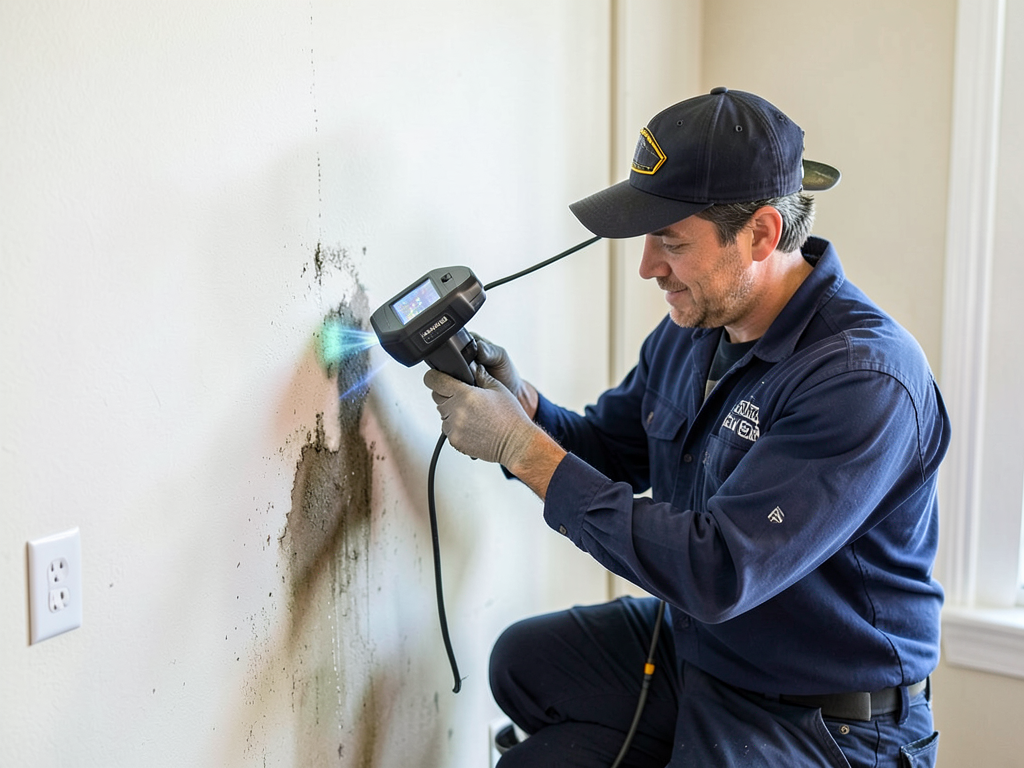
The key diagnostic test professionals use is moisture mapping. Using thermal imaging cameras and moisture meters, we can see water you can’t see. If your moisture meter reads above 16% in wood or 20% in drywall, you have active moisture problems requiring professional drying.
Advanced deodorization technologies professionals use
Professional odor removal goes beyond basic cleaning. Here are the technologies that actually eliminate odors rather than mask them:
HEPA Air Scrubbers
These machines filter particles as small as 0.3 microns—small enough to catch mold spores, bacteria, and odor-causing particles. A single air scrubber can process 500-2000 cubic feet of air per minute.
Hydroxyl Generators
Hydroxyl radicals break down odor molecules at the chemical level. Unlike ozone machines, hydroxyl generators are safe for occupied spaces and don’t leave chemical residues. They’re particularly effective for protein-based odors from sewage or dead animals.
Thermal Fogging
This process heats deodorizing agents into a fine mist that penetrates porous materials. The fog follows the same paths water took, reaching areas you can’t access physically.
Negative Air Pressure
Creating negative air pressure in affected areas prevents odors from spreading to clean parts of your home. This containment is crucial during Category 3 water events.
Local building considerations for Indian River homes
Indian River homes built before 2000 often have construction features that complicate odor removal. Many have plaster walls rather than drywall, balloon framing that allows air movement between floors, or crawl spaces with inadequate ventilation.
The Virginia Uniform Statewide Building Code (VUSBC) requires specific moisture management in flood-prone areas. After significant water damage, building officials may require documentation of proper drying before allowing reconstruction permits.
Local disposal regulations matter too. Virginia Beach requires separate handling of water-damaged materials containing mold or sewage. Professional restoration companies coordinate with waste management services to ensure proper disposal.
Preventing future odor problems
Once you’ve eliminated the current odor, prevention becomes your next priority. Here’s how to protect your Indian River home:
- Install water sensors near water heaters, washing machines, and under sinks
- Maintain proper grading around your foundation to direct water away
- Clean gutters and downspouts regularly to prevent overflow
- Consider a sump pump if your home has a history of basement moisture
- Schedule annual plumbing inspections for older homes
Indoor humidity control is crucial. Keep indoor relative humidity between 30-50% using dehumidifiers during Virginia’s humid months. This single step prevents most mold growth and associated odors.
When to call for emergency help
Some situations require immediate professional intervention. Call (757) 909-5033 right now if you notice: Immediate Steps for a Burst Pipe Repair in the Hilltop Neighborhood.
- Standing water that covers more than 10 square feet
- Water that may contain sewage or contaminants
- Water that has been sitting for more than 24 hours
- Visible mold growth or strong musty odors
- Water behind walls or under flooring
Quick response prevents secondary damage. Every hour water sits increases restoration costs and health risks. Professional teams can typically arrive within 60 minutes of your call.. Read more about Why acting fast stops secondary water damage from ruining your furniture.
Frequently Asked Questions
How long does it take to remove flood odors completely?
Complete odor removal typically takes 3-7 days depending on the extent of damage, materials affected, and local humidity conditions. Category 3 water situations may require longer treatment periods.
Can I just use bleach to kill the smell?
Bleach kills surface mold but doesn’t penetrate porous materials where most odors originate. It also creates its own strong chemical smell and can damage surfaces. Professional antimicrobial treatments are more effective and safer.
Will my homeowners insurance cover odor removal?
Most standard policies cover water damage restoration including odor removal if the water damage is sudden and accidental. Coverage for mold damage often has limitations. Document everything with photos and keep all receipts.
How can I tell if the smell is coming from inside the walls?
If the odor intensifies when your HVAC runs, or if it’s stronger in specific rooms regardless of ventilation, moisture is likely trapped in wall cavities. Professional moisture detection equipment can confirm this without destructive testing.
What’s the difference between masking and removing odors?
Masking uses fragrances to cover smells temporarily. Removal eliminates the chemical compounds causing the odor. Professional restoration focuses on removal because masking doesn’t solve the underlying moisture and microbial growth problems.
Don’t let that musty smell linger in your Indian River home. Every day you wait allows mold to spread deeper into your home’s structure. Call (757) 909-5033 today to schedule your inspection and take the first step toward fresh, clean air again.
{
“@context”: “https://schema.org”,
“@type”: “BlogPosting”,
“headline”: “Getting rid of that musty smell after a flood in your Indian River home”,
“description”: “Eliminate musty odors after flooding with professional restoration techniques. Learn how Virginia Beach humidity impacts odor removal and when to call experts.”,
“wordCount”: 1533,
“datePublished”: “2026-03-20T12:18:00.000Z”,
“dateModified”: “2026-03-20T12:18:00.000Z”,
“inLanguage”: “en-US”,
“mainEntityOfPage”: {
“@type”: “WebPage”,
“@id”: “https://apexwaterdamagerestorationvirginiabeach.com”
},
“publisher”: {
“@type”: “LocalBusiness”,
“name”: “Apex Water Damage Restoration Virginia Beach”,
“url”: “https://apexwaterdamagerestorationvirginiabeach.com”
},
“author”: {
“@type”: “Organization”,
“name”: “Apex Water Damage Restoration Virginia Beach”,
“url”: “https://apexwaterdamagerestorationvirginiabeach.com”
},
“image”: {
“@type”: “ImageObject”,
“url”: “https://apexwaterdamagerestorationvirginiabeach.com/wp-content/uploads/2026/03/getting-rid-of-that-musty-smell-after-a-flood-in-y-1.png”
}
}
{
“@context”: “https://schema.org”,
“@type”: “LocalBusiness”,
“name”: “Apex Water Damage Restoration Virginia Beach”,
“url”: “https://apexwaterdamagerestorationvirginiabeach.com”,
“address”: {
“@type”: “PostalAddress”,
“addressLocality”: “Virginia Beach”
},
“areaServed”: {
“@type”: “City”,
“name”: “Virginia Beach”
}
}
{
“@context”: “https://schema.org”,
“@type”: “FAQPage”,
“mainEntity”: [
{
“@type”: “Question”,
“name”: “How long does it take to remove flood odors completely?”,
“acceptedAnswer”: {
“@type”: “Answer”,
“text”: “Complete odor removal typically takes 3-7 days depending on the extent of damage, materials affected, and local humidity conditions. Category 3 water situations may require longer treatment periods.”
}
},
{
“@type”: “Question”,
“name”: “Can I just use bleach to kill the smell?”,
“acceptedAnswer”: {
“@type”: “Answer”,
“text”: “Bleach kills surface mold but doesn’t penetrate porous materials where most odors originate. It also creates its own strong chemical smell and can damage surfaces. Professional antimicrobial treatments are more effective and safer.”
}
},
{
“@type”: “Question”,
“name”: “Will my homeowners insurance cover odor removal?”,
“acceptedAnswer”: {
“@type”: “Answer”,
“text”: “Most standard policies cover water damage restoration including odor removal if the water damage is sudden and accidental. Coverage for mold damage often has limitations. Document everything with photos and keep all receipts.”
}
},
{
“@type”: “Question”,
“name”: “How can I tell if the smell is coming from inside the walls?”,
“acceptedAnswer”: {
“@type”: “Answer”,
“text”: “If the odor intensifies when your HVAC runs, or if it’s stronger in specific rooms regardless of ventilation, moisture is likely trapped in wall cavities. Professional moisture detection equipment can confirm this without destructive testing.”
}
},
{
“@type”: “Question”,
“name”: “What’s the difference between masking and removing odors?”,
“acceptedAnswer”: {
“@type”: “Answer”,
“text”: “Masking uses fragrances to cover smells temporarily. Removal eliminates the chemical compounds causing the odor. Professional restoration focuses on removal because masking doesn’t solve the underlying moisture and microbial growth problems.”
}
}
]
}
{
“@context”: “https://schema.org”,
“@type”: “HowTo”,
“name”: “Flood Odor Removal Process”,
“step”: [
{
“@type”: “HowToStep”,
“position”: 1,
“name”: “Water Extraction and Debris Removal”,
“text”: “Remove all standing water using industrial pumps. Remove wet materials like carpet padding, insulation, and damaged drywall. The longer these materials stay wet, the stronger the odor becomes.”
},
{
“@type”: “HowToStep”,
“position”: 2,
“name”: “Structural Drying and Humidity Control”,
“text”: “Virginia Beach’s coastal climate requires industrial-grade dehumidifiers. Standard home units can’t handle the moisture load. Low Grain Refrigerant (LGR) dehumidifiers pull moisture from deep within materials.”
},
{
“@type”: “HowToStep”,
“position”: 3,
“name”: “Antimicrobial Treatment”,
“text”: “Apply EPA-registered biocides to kill remaining mold and bacteria. This prevents new growth while materials dry. EPA mold information.”
},
{
“@type”: “HowToStep”,
“position”: 4,
“name”: “Advanced Deodorization”,
“text”: “Use HEPA air scrubbers to filter airborne particles. Hydroxyl generators break down odor molecules at the chemical level without leaving harmful residues.”
}
],
“image”: “https://apexwaterdamagerestorationvirginiabeach.com/wp-content/uploads/2026/03/getting-rid-of-that-musty-smell-after-a-flood-in-y-1.png”
}
{
“@context”: “https://schema.org”,
“@type”: “BreadcrumbList”,
“itemListElement”: [
{
“@type”: “ListItem”,
“position”: 1,
“name”: “Home”,
“item”: “https://apexwaterdamagerestorationvirginiabeach.com”
},
{
“@type”: “ListItem”,
“position”: 2,
“name”: “Blog”,
“item”: “https://apexwaterdamagerestorationvirginiabeach.com/blog”
},
{
“@type”: “ListItem”,
“position”: 3,
“name”: “Getting rid of that musty smell after a flood in your Indian River home”
}
]
}
{
“@context”: “https://schema.org”,
“@type”: “Service”,
“serviceType”: “Water Damage Restoration”,
“provider”: {
“@type”: “LocalBusiness”,
“name”: “Apex Water Damage Restoration Virginia Beach”,
“url”: “https://apexwaterdamagerestorationvirginiabeach.com”
},
“areaServed”: {
“@type”: “City”,
“name”: “Virginia Beach”
},
“description”: “Eliminate musty odors after flooding with professional restoration techniques. Learn how Virginia Beach humidity impacts odor removal and when to call experts.”
}