Maintaining Healthy Humidity Levels in Your Virginia Beach Home During Humid Summer Months
Virginia Beach homeowners face a unique challenge during summer months when Atlantic Ocean air brings humidity levels consistently above 70%. The ideal indoor humidity range for your home sits between 30% and 50% to prevent mold growth, protect wooden structures, and maintain comfort. When humidity climbs above 60%, microscopic mold spores that naturally exist in all homes begin multiplying rapidly on damp surfaces, creating musty odors and potential health hazards. What Virginia Beach Town Center Condo Owners Should Do After a Leak.
The humid subtropical climate of Virginia Beach means your air conditioning system works overtime during June through September. Coastal proximity adds another layer of complexity as salt-laden air retains moisture more effectively than inland air, creating conditions where indoor condensation forms on windows and walls even when outdoor temperatures feel moderate.. Read more about Is your HVAC system spreading mold through your Cape Henry home after a leak?.
Understanding these patterns helps you take control before moisture causes permanent damage to your home’s structure or creates an environment where black mold species like Stachybotrys thrive behind baseboards and inside wall cavities.
Why Virginia Beach’s Climate Makes Humidity Control Difficult
Virginia Beach experiences average relative humidity levels between 75% and 85% during July and August, according to National Weather Service data. This coastal environment creates several challenges for homeowners trying to maintain healthy indoor conditions.
Ocean proximity means constant moisture saturation in the air. When warm, moist outdoor air contacts cooler indoor surfaces, condensation forms instantly. This process accelerates in homes with poor insulation or those near the Chesapeake Bay where temperature differentials between indoor and outdoor air can reach 20 degrees or more.
The region’s flat topography contributes to humidity problems. Unlike mountainous areas where elevation creates natural air circulation, Virginia Beach’s low-lying geography allows humid air to settle and stagnate around homes. Combined with the area’s high water table, which often sits just a few feet below the surface, moisture continuously wicks upward through concrete foundations and crawl spaces. Repairing Water Damage at Your Virginia Beach Oceanfront Property After a Storm.
Local building practices from the 1970s through early 2000s often lacked proper vapor barriers in crawl spaces. Many Kempsville and Great Neck homes built during this period now experience chronic moisture issues as original building materials degrade and allow ground moisture to penetrate living spaces.. Read more about Why your crawl space vents might be making your humidity problems worse in the summer.
Signs Your Virginia Beach Home Has Excessive Moisture
Recognizing early warning signs prevents expensive structural repairs. Several indicators suggest your home’s humidity levels exceed safe thresholds. EPA Mold Guidelines.
Musty odors represent the most common first sign. These smells occur when mold colonies establish themselves in hidden areas like attics, crawl spaces, or inside walls. The odor typically intensifies after rain events when outdoor humidity spikes and forces moisture through building envelopes.. Read more about How your AC unit might be causing hidden water damage in your Lynnhaven home.
Condensation on windows indicates indoor humidity levels above 50%. During summer months, you might notice water droplets forming on interior glass surfaces, especially on north-facing windows that receive less direct sunlight. This condensation can damage wooden window sills and promote mold growth along window frames. Who to Call for Emergency Water Removal in Virginia Beach Right Now.
Peeling wallpaper or bubbling paint signals moisture trapped behind wall surfaces. As humidity levels rise, water vapor penetrates drywall and causes adhesives to fail. You might notice wallpaper edges curling away from corners or paint developing blisters that eventually crack and flake.
Sluggish air conditioning performance often results from excessive indoor humidity. When your AC runs constantly but fails to achieve comfortable temperatures, high humidity forces the system to work harder, reducing efficiency and increasing energy costs.
Call (757) 909-5033 today to schedule your inspection if you notice these warning signs before minor moisture issues become major structural problems.
The Link Between Humidity and Mold Growth in Coastal Virginia
Mold requires three conditions to grow: organic material, oxygen, and moisture above 60% relative humidity. Virginia Beach homes provide all three elements year-round, making mold prevention a constant battle.
Scientific research shows mold spores remain dormant at humidity levels below 60% but activate within 24-48 hours when moisture levels rise above this threshold. Once activated, colonies can spread across surfaces at rates of up to one square foot per day under optimal conditions.
Coastal Virginia’s warm temperatures accelerate mold growth. While mold can grow in temperatures between 40 and 100 degrees Fahrenheit, the 70-90 degree range common during Virginia Beach summers creates ideal conditions for rapid colonization.
Different mold species prefer different materials. Aspergillus and Penicillium commonly grow on wallpaper and painted surfaces. Cladosporium thrives on fabrics and upholstery. Stachybotrys chartarum, often called black mold, prefers cellulose materials like drywall and ceiling tiles, particularly in areas with prolonged moisture exposure.
The EPA recommends maintaining indoor humidity below 50% to prevent mold growth. However, Virginia Beach’s climate makes this challenging without active dehumidification. Homes near the oceanfront or in flood-prone areas like Sandbridge often require humidity levels closer to 45% to account for the additional moisture load from salt air and proximity to water bodies.
Seasonal Adjustments: Summer vs. Winter Humidity Targets
Virginia Beach homeowners need different humidity strategies for summer and winter months. Summer requires aggressive dehumidification while winter demands careful moisture balance to prevent condensation on cold surfaces.
Summer humidity control focuses on removing excess moisture. Set your dehumidifier or HVAC system to maintain 45-50% relative humidity. This range prevents mold growth while avoiding the uncomfortable dryness that can occur below 40%.
During summer months, run bathroom exhaust fans for at least 30 minutes after showers. Install timers if your fans lack automatic shutoff features. Kitchen exhaust fans should operate during cooking to remove steam and moisture from boiling water.
Winter humidity targets shift to 35-45%. Lower targets prevent window condensation when outdoor temperatures drop. Virginia Beach rarely experiences extreme cold, but overnight temperatures in the 30s can still create condensation problems on single-pane windows or poorly insulated walls.
Seasonal transitions require gradual adjustments. Don’t suddenly change humidity settings by more than 5% in a single day, as rapid changes can cause wood flooring to expand or contract excessively, leading to buckling or gaps.
Spring and fall represent transition periods when outdoor humidity fluctuates dramatically. Monitor indoor conditions closely during these months and adjust dehumidification equipment as needed. April and October often bring afternoon thunderstorms that spike indoor humidity levels within hours.
Professional Solutions for Moisture Control
When DIY humidity control fails, professional intervention becomes necessary. Several solutions address different moisture problems common in Virginia Beach homes.
Whole-house dehumidification systems integrate with existing HVAC equipment to maintain consistent humidity levels throughout your home. These systems typically cost between $3,000 and $7,000 installed but provide superior control compared to portable units. They automatically adjust output based on indoor conditions and outdoor weather patterns.
Crawl space encapsulation creates a moisture barrier between your home and the ground. This process involves installing heavy-duty vapor barriers across crawl space floors and walls, sealing vents, and often adding dehumidification equipment. For Virginia Beach’s high water table conditions, encapsulation can reduce indoor humidity by 10-15%.
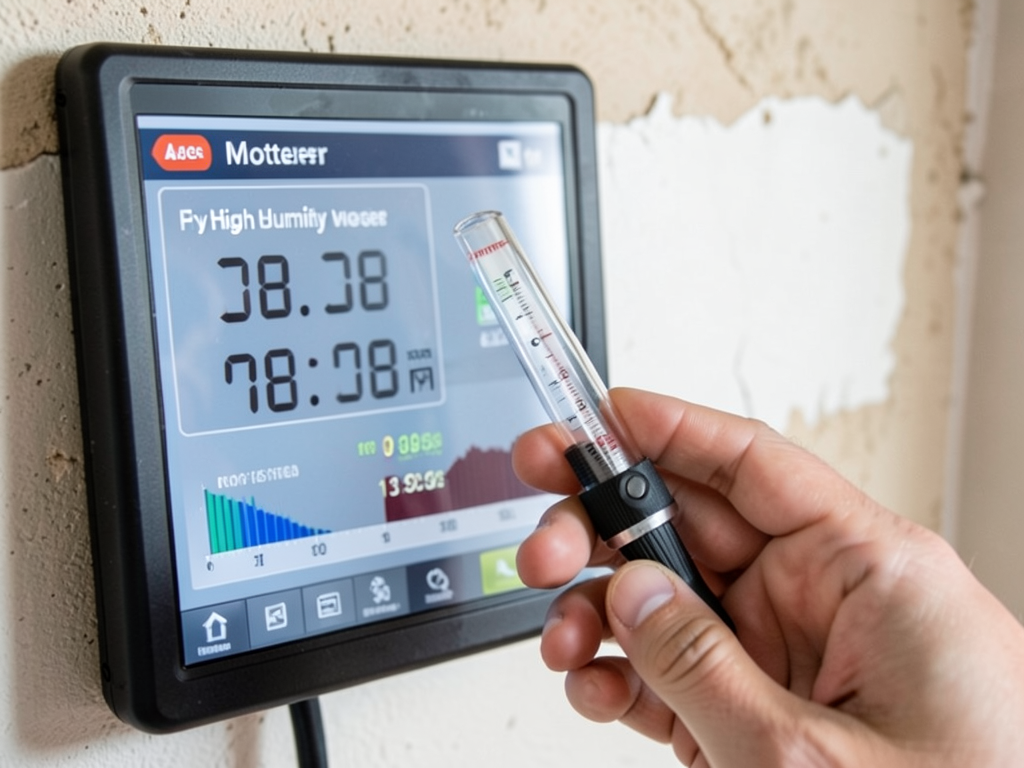
Professional moisture mapping uses thermal imaging cameras and moisture meters to identify hidden water sources. Technicians can detect moisture behind walls, under flooring, and in ceiling cavities without destructive testing. This diagnostic approach pinpoints specific problem areas rather than treating entire homes.
Ventilation system upgrades improve air exchange rates. Energy recovery ventilators (ERVs) bring in fresh outdoor air while removing stale indoor air and excess moisture. These systems work particularly well in tightly sealed modern homes where natural air exchange is minimal.
Professional mold remediation follows IICRC S520 standards when mold colonies exceed 10 square feet. This industry standard requires containment barriers, negative air pressure, and HEPA filtration to prevent spore spread during removal. Attempting large-scale mold removal without proper equipment often worsens contamination. IICRC Standards.
<img decoding="async" alt="Professional moisture meter reading showing high humidity levels behind drywall" src="
“>
DIY Humidity Monitoring and Control Methods
Several tools help you monitor and control indoor humidity without professional assistance. Understanding how to use these tools effectively makes DIY humidity management possible.
Hygrometers measure relative humidity and temperature. Digital hygrometers provide accurate readings within ±2% and often include maximum/minimum memory functions to track humidity fluctuations throughout the day. Place hygrometers in different rooms to identify problem areas.
Smart thermostats with humidity sensors offer remote monitoring through smartphone apps. These devices can trigger alerts when humidity exceeds preset thresholds and some can automatically activate connected dehumidifiers or ventilation fans.
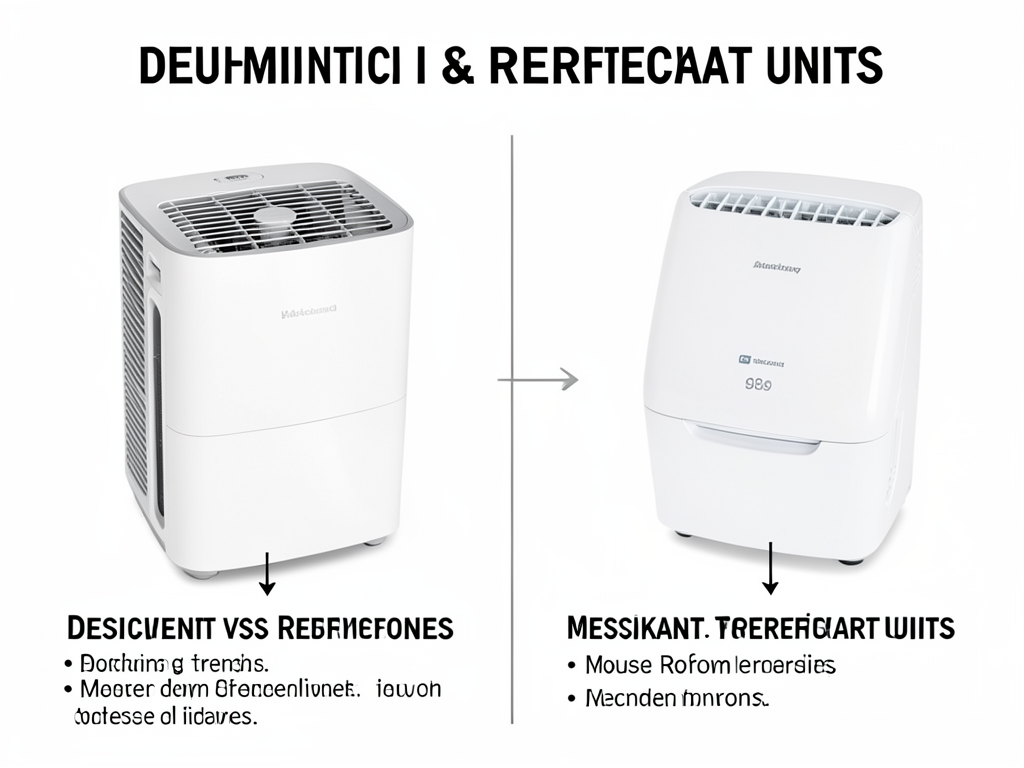
Portable dehumidifiers work well for spot treatment of problem areas. For a typical Virginia Beach bedroom, select a unit rated for at least 30 pints per day. Larger spaces or particularly damp areas may require 50-70 pint capacity units.
DIY moisture testing involves using a screwdriver to probe wooden surfaces for soft spots indicating rot. Press the screwdriver into sill plates, floor joists, and other structural wood members. If the tool penetrates easily, wood rot has likely begun.
Visual inspections should focus on areas where warm air meets cold surfaces. Check around windows, exterior doors, and where walls meet ceilings. Look for discoloration, warping, or mineral deposits that indicate ongoing moisture problems.
Track humidity patterns by recording readings at the same time each day for one week. This data reveals whether humidity problems are constant or occur only during specific weather conditions, helping you target solutions more effectively.
Common Mistakes That Increase Indoor Humidity
Several common practices inadvertently increase indoor humidity levels. Awareness of these mistakes helps you avoid creating moisture problems.
Overwatering indoor plants releases significant moisture into the air. A single large houseplant can transpire several pints of water daily. Group plants together and use humidity trays to localize moisture rather than dispersing it throughout your home.
Air-drying clothes indoors adds substantial humidity. A typical laundry load contains 2-3 gallons of water that evaporates into your indoor air. Use clothes dryers vented to the exterior or hang laundry outside during favorable weather.
Long showers without exhaust fans create steam clouds that settle on cool surfaces throughout your home. Even with exhaust fans running, keep shower doors closed to contain moisture until it can be vented outside.
Seasonal decorations can trap moisture. Live Christmas trees release water vapor for weeks after being cut. Similarly, indoor water features, aquariums, and even pet water bowls contribute to overall humidity levels.
Neglecting HVAC maintenance reduces system efficiency at moisture removal. Dirty air filters restrict airflow, causing evaporator coils to freeze and then thaw, releasing water into your home’s air supply. Replace filters monthly during peak cooling season.
<img decoding="async" alt="Comparison of dehumidifier types showing desiccant vs refrigerant units" src="
“>
When to Call a Professional Restoration Company
Certain situations require professional intervention to prevent extensive damage. Understanding these scenarios helps you act quickly when problems exceed DIY capabilities.
Visible mold covering more than 10 square feet indicates a significant moisture problem requiring professional remediation. Small patches often signal larger hidden contamination, particularly in Virginia Beach’s humid climate where mold spreads rapidly. Expert Mold Remediation for Vacation Rentals in Sandbridge.
Musty odors that persist after cleaning suggest active mold growth in inaccessible areas. These smells often originate in wall cavities, under flooring, or in HVAC systems where DIY treatment cannot reach.
Water stains on ceilings or walls that continue growing indicate active leaks. These require immediate attention as they can cause structural damage within days. The Virginia Uniform Statewide Building Code requires prompt repair of active water intrusion to prevent mold growth. Immediate Steps for a Burst Pipe Repair in the Hilltop Neighborhood.
Crawl space flooding that occurs repeatedly demands professional evaluation. Virginia Beach’s high water table makes some crawl spaces prone to chronic moisture issues that require specialized solutions like sump pumps or French drains.
Health symptoms that improve when away from home suggest indoor air quality problems. These might include respiratory issues, headaches, or allergic reactions that correlate with indoor humidity problems.
Post-storm moisture assessment becomes critical after hurricanes or tropical storms. These events can introduce contaminated water that requires specific cleanup procedures to prevent health hazards and structural damage.
Cost-Effective Humidity Control Strategies
Several affordable methods help control humidity without major investments. These strategies provide immediate relief while you plan for long-term solutions.
Increase air circulation using box fans or ceiling fans. Moving air helps evaporate surface moisture and prevents condensation on cool surfaces. Run fans continuously during humid weather for maximum effectiveness.
Weatherstripping and caulking reduce humid outdoor air infiltration. Focus on windows, doors, and areas where utilities penetrate exterior walls. This simple step can reduce indoor humidity by 5-10% in older homes.
Desiccant products like silica gel or calcium chloride absorb moisture from the air. These work well in small spaces like closets, cabinets, or vehicles. Replace or regenerate desiccants according to manufacturer instructions.
Strategic landscaping directs water away from your foundation. Grade soil to slope away from your home at 1/2 inch per foot for at least 6 feet. This prevents groundwater from saturating foundation walls and entering your crawl space.
Rain barrel installation captures roof runoff before it can saturate soil around your foundation. This simple step reduces hydrostatic pressure against foundation walls and can significantly reduce crawl space moisture.
DIY vapor barriers using heavy-duty plastic sheeting can temporarily reduce crawl space moisture. Overlap seams by at least 12 inches and extend the barrier up foundation walls to create a moisture barrier.
Technology and Smart Home Integration
Modern technology offers sophisticated humidity control options. Smart home integration provides convenience and often superior results compared to manual methods.
Wi-Fi enabled dehumidifiers allow remote monitoring and control through smartphone apps. These devices can automatically adjust output based on weather forecasts and can integrate with other smart home systems for coordinated operation.
Smart ventilation systems use outdoor humidity sensors to determine optimal times for air exchange. These systems can bring in fresh air when outdoor conditions are favorable and close off when humidity levels are too high.
Automated HVAC zoning allows different humidity settings in various parts of your home. This feature proves particularly useful in multi-story homes where upstairs areas often require different humidity control than downstairs spaces.
Moisture sensors placed in problem areas can trigger alerts before visible damage occurs. These battery-powered devices monitor specific locations and send notifications when humidity exceeds preset thresholds.
Integration with weather services allows predictive humidity control. Smart systems can anticipate humidity spikes based on weather forecasts and pre-emptively adjust indoor conditions to maintain optimal levels.
Protecting Your Investment: Long-Term Humidity Management
Effective humidity control protects your home’s value and prevents costly repairs. Long-term management requires consistent attention and periodic professional assessment.
Annual professional inspections identify developing moisture problems before they cause damage. These inspections should include crawl space evaluation, attic moisture assessment, and HVAC system performance testing.
Building envelope improvements provide lasting protection. Adding insulation, upgrading windows, and improving roof ventilation reduce the temperature differentials that cause condensation and moisture problems.
Landscaping modifications can significantly impact home moisture levels. Strategic tree placement provides shade that reduces cooling costs and prevents sun-heated surfaces from creating temperature differentials that cause condensation.
Foundation waterproofing becomes more important as homes age. Virginia Beach’s sandy soils and high water table make older homes particularly vulnerable to moisture intrusion through foundation walls.
Roof maintenance prevents moisture entry at the highest point of your home. Clean gutters, intact flashing, and proper attic ventilation prevent the moisture buildup that can lead to rot and mold growth in attic spaces.
Insurance documentation of moisture problems helps with claims processing. Photograph problem areas and document humidity readings to support claims if moisture damage occurs despite your prevention efforts.
Frequently Asked Questions
What is the ideal indoor humidity level for Virginia Beach homes?
The ideal indoor humidity level for Virginia Beach homes is between 30% and 50% relative humidity. During summer months, aim for the lower end of this range (45-50%) to prevent mold growth in the humid coastal climate. Winter months can be slightly higher (35-45%) to prevent window condensation while still maintaining healthy conditions.
How can I tell if my home has high humidity problems?
Signs of high humidity include musty odors, condensation on windows, peeling paint or wallpaper, sticky or clammy feeling surfaces, and visible mold growth. You might also notice your air conditioning runs constantly but fails to cool effectively, or that wooden floors and furniture feel damp to the touch.
Does coastal proximity affect indoor humidity levels?
Yes, living near the ocean significantly impacts indoor humidity. Salt air holds more moisture than inland air, and coastal homes experience higher average humidity levels year-round. Homes in areas like Sandbridge or near the Chesapeake Bay often require more aggressive dehumidification than homes further inland.
How quickly does mold grow in high humidity conditions?
Mold can begin growing within 24-48 hours when relative humidity exceeds 60% and organic materials are present. In Virginia Beach’s warm summer conditions, mold colonies can spread rapidly, potentially covering several square feet within a week if moisture problems persist.
Should I run my air conditioner or use a dehumidifier?
Air conditioners remove some moisture while cooling, but dedicated dehumidifiers are more effective at humidity control. For best results in Virginia Beach, use your air conditioner for cooling and a separate dehumidifier to maintain optimal humidity levels, especially during mild but humid weather when cooling isn’t needed.
How much does professional humidity control cost?
Professional whole-house dehumidification systems typically cost $3,000-$7,000 installed. Crawl space encapsulation ranges from $5,000-$15,000 depending on size and condition. Professional mold remediation costs vary widely based on extent of contamination, but small areas might start around $500 while whole-house remediation can exceed $10,000.
Can high humidity damage my home’s structure?
Yes, prolonged high humidity causes wood rot, corrodes metal components, degrades drywall, and promotes mold growth that can compromise structural integrity. In Virginia Beach’s climate, these problems can develop rapidly, potentially requiring thousands of dollars in repairs if left unaddressed.
What’s the difference between relative and absolute humidity?
Relative humidity measures moisture content as a percentage of maximum capacity at current temperature, while absolute humidity measures actual water vapor in the air regardless of temperature. For home comfort and mold prevention, relative humidity is the more relevant measurement.
How often should I check my home’s humidity levels?
Check humidity levels at least weekly during summer months and after any significant weather events. Monitor daily during transitions between seasons when outdoor conditions fluctuate dramatically. Pay special attention to humidity levels in basements, crawl spaces, and attics where moisture problems often begin.
Can houseplants increase indoor humidity?
Yes, houseplants release moisture through transpiration. A single large houseplant can release several pints of water daily into your indoor air. While plants offer benefits, they can contribute to humidity problems in already damp environments. Consider this when placing plants in rooms you’re struggling to keep dry.
Take Control of Your Home’s Humidity Today
Maintaining healthy humidity levels protects your Virginia Beach home from mold damage, structural deterioration, and uncomfortable living conditions. The humid coastal climate creates unique challenges that require consistent attention and sometimes professional intervention.
Start by monitoring your indoor humidity with a quality hygrometer. If readings consistently exceed 50%, take action before minor moisture issues escalate into major problems requiring expensive repairs.
Simple steps like running exhaust fans, using dehumidifiers in problem areas, and ensuring proper ventilation can make significant differences. However, persistent humidity problems often indicate underlying issues that require professional diagnosis and treatment.
Don’t wait until you see visible mold or experience musty odors. By then, damage has already begun. Professional moisture assessment can identify hidden problems and recommend targeted solutions that protect your home and your family’s health.
Call (757) 909-5033 today to schedule your professional humidity assessment. Our certified technicians understand Virginia Beach’s unique climate challenges and can recommend solutions tailored to your specific situation. Pick up the phone and call (757) 909-5033 before the next storm hits and moisture problems worsen.
Remember, maintaining proper humidity isn’t just about comfort—it’s about protecting your home’s value and your family’s health. Take action today to ensure your Virginia Beach home remains safe and comfortable throughout the humid summer months ahead.
{
“@context”: “https://schema.org”,
“@type”: “BlogPosting”,
“headline”: “Maintaining healthy humidity levels in your Virginia Beach home during the humid summer months”,
“description”: “Discover the ideal indoor humidity levels for Virginia Beach homes to prevent mold growth and protect your property during humid summers.”,
“wordCount”: 3319,
“datePublished”: “2026-03-15T08:46:00.000Z”,
“dateModified”: “2026-03-15T08:46:00.000Z”,
“inLanguage”: “en-US”,
“mainEntityOfPage”: {
“@type”: “WebPage”,
“@id”: “https://apexwaterdamagerestorationvirginiabeach.com”
},
“publisher”: {
“@type”: “LocalBusiness”,
“name”: “Apex Water Damage Restoration Virginia Beach”,
“url”: “https://apexwaterdamagerestorationvirginiabeach.com”
},
“author”: {
“@type”: “Organization”,
“name”: “Apex Water Damage Restoration Virginia Beach”,
“url”: “https://apexwaterdamagerestorationvirginiabeach.com”
},
“image”: {
“@type”: “ImageObject”,
“url”: “https://apexwaterdamagerestorationvirginiabeach.com/wp-content/uploads/2026/03/maintaining-healthy-humidity-levels-in-your-virgin-1.png”
}
}
{
“@context”: “https://schema.org”,
“@type”: “LocalBusiness”,
“name”: “Apex Water Damage Restoration Virginia Beach”,
“url”: “https://apexwaterdamagerestorationvirginiabeach.com”,
“address”: {
“@type”: “PostalAddress”,
“addressLocality”: “Virginia Beach”
},
“areaServed”: {
“@type”: “City”,
“name”: “Virginia Beach”
}
}
{
“@context”: “https://schema.org”,
“@type”: “FAQPage”,
“mainEntity”: [
{
“@type”: “Question”,
“name”: “What is the ideal indoor humidity level for Virginia Beach homes?”,
“acceptedAnswer”: {
“@type”: “Answer”,
“text”: “The ideal indoor humidity level for Virginia Beach homes is between 30% and 50% relative humidity. During summer months, aim for the lower end of this range (45-50%) to prevent mold growth in the humid coastal climate. Winter months can be slightly higher (35-45%) to prevent window condensation while still maintaining healthy conditions.”
}
},
{
“@type”: “Question”,
“name”: “How can I tell if my home has high humidity problems?”,
“acceptedAnswer”: {
“@type”: “Answer”,
“text”: “Signs of high humidity include musty odors, condensation on windows, peeling paint or wallpaper, sticky or clammy feeling surfaces, and visible mold growth. You might also notice your air conditioning runs constantly but fails to cool effectively, or that wooden floors and furniture feel damp to the touch.”
}
},
{
“@type”: “Question”,
“name”: “Does coastal proximity affect indoor humidity levels?”,
“acceptedAnswer”: {
“@type”: “Answer”,
“text”: “Yes, living near the ocean significantly impacts indoor humidity. Salt air holds more moisture than inland air, and coastal homes experience higher average humidity levels year-round. Homes in areas like Sandbridge or near the Chesapeake Bay often require more aggressive dehumidification than homes further inland.”
}
},
{
“@type”: “Question”,
“name”: “How quickly does mold grow in high humidity conditions?”,
“acceptedAnswer”: {
“@type”: “Answer”,
“text”: “Mold can begin growing within 24-48 hours when relative humidity exceeds 60% and organic materials are present. In Virginia Beach’s warm summer conditions, mold colonies can spread rapidly, potentially covering several square feet within a week if moisture problems persist.”
}
},
{
“@type”: “Question”,
“name”: “Should I run my air conditioner or use a dehumidifier?”,
“acceptedAnswer”: {
“@type”: “Answer”,
“text”: “Air conditioners remove some moisture while cooling, but dedicated dehumidifiers are more effective at humidity control. For best results in Virginia Beach, use your air conditioner for cooling and a separate dehumidifier to maintain optimal humidity levels, especially during mild but humid weather when cooling isn’t needed.”
}
},
{
“@type”: “Question”,
“name”: “How much does professional humidity control cost?”,
“acceptedAnswer”: {
“@type”: “Answer”,
“text”: “Professional whole-house dehumidification systems typically cost $3,000-$7,000 installed. Crawl space encapsulation ranges from $5,000-$15,000 depending on size and condition. Professional mold remediation costs vary widely based on extent of contamination, but small areas might start around $500 while whole-house remediation can exceed $10,000.”
}
},
{
“@type”: “Question”,
“name”: “Can high humidity damage my home’s structure?”,
“acceptedAnswer”: {
“@type”: “Answer”,
“text”: “Yes, prolonged high humidity causes wood rot, corrodes metal components, degrades drywall, and promotes mold growth that can compromise structural integrity. In Virginia Beach’s climate, these problems can develop rapidly, potentially requiring thousands of dollars in repairs if left unaddressed.”
}
},
{
“@type”: “Question”,
“name”: “What’s the difference between relative and absolute humidity?”,
“acceptedAnswer”: {
“@type”: “Answer”,
“text”: “Relative humidity measures moisture content as a percentage of maximum capacity at current temperature, while absolute humidity measures actual water vapor in the air regardless of temperature. For home comfort and mold prevention, relative humidity is the more relevant measurement.”
}
},
{
“@type”: “Question”,
“name”: “How often should I check my home’s humidity levels?”,
“acceptedAnswer”: {
“@type”: “Answer”,
“text”: “Check humidity levels at least weekly during summer months and after any significant weather events. Monitor daily during transitions between seasons when outdoor conditions fluctuate dramatically. Pay special attention to humidity levels in basements, crawl spaces, and attics where moisture problems often begin.”
}
},
{
“@type”: “Question”,
“name”: “Can houseplants increase indoor humidity?”,
“acceptedAnswer”: {
“@type”: “Answer”,
“text”: “Yes, houseplants release moisture through transpiration. A single large houseplant can release several pints of water daily into your indoor air. While plants offer benefits, they can contribute to humidity problems in already damp environments. Consider this when placing plants in rooms you’re struggling to keep dry.”
}
}
]
}
{
“@context”: “https://schema.org”,
“@type”: “BreadcrumbList”,
“itemListElement”: [
{
“@type”: “ListItem”,
“position”: 1,
“name”: “Home”,
“item”: “https://apexwaterdamagerestorationvirginiabeach.com”
},
{
“@type”: “ListItem”,
“position”: 2,
“name”: “Blog”,
“item”: “https://apexwaterdamagerestorationvirginiabeach.com/blog”
},
{
“@type”: “ListItem”,
“position”: 3,
“name”: “Maintaining healthy humidity levels in your Virginia Beach home during the humid summer months”
}
]
}
{
“@context”: “https://schema.org”,
“@type”: “Service”,
“serviceType”: “Water Damage Restoration”,
“provider”: {
“@type”: “LocalBusiness”,
“name”: “Apex Water Damage Restoration Virginia Beach”,
“url”: “https://apexwaterdamagerestorationvirginiabeach.com”
},
“areaServed”: {
“@type”: “City”,
“name”: “Virginia Beach”
},
“description”: “Discover the ideal indoor humidity levels for Virginia Beach homes to prevent mold growth and protect your property during humid summers.”
}